Imagine navigating your home after sunset, no fumbling for switches, no harsh glare waking you fully. Instead, a gentle, welcoming glow automatically guides your path. This isn’t science fiction; it’s the everyday reality brought to you by the humble, yet incredibly clever, Light Sensor Night Light. As your trusted guide from Maikb.com, with over a decade in crafting and understanding nocturnal illumination, I’m here to shed some light on why these devices are a modern household essential, blending seamless convenience with smart energy saving.
What Exactly is a Light Sensor Night Light?
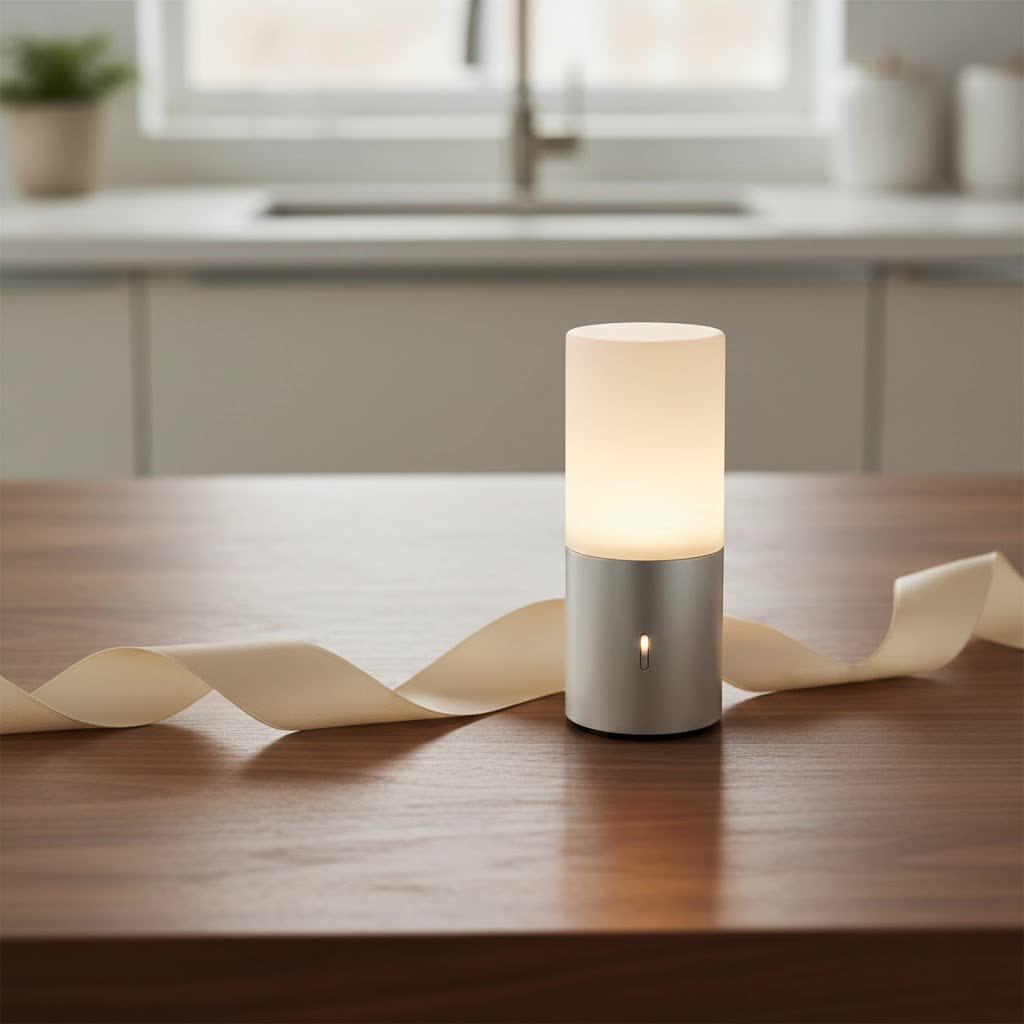
At its core, a light sensor night light is an intelligent illumination device designed to automatically turn itself on when ambient light levels drop and switch off when daylight returns. Forget about remembering to plug in your night lights at dusk or unplugging them in the morning; these smart devices handle it all for you. The key to their “brain” is a specialized component, often a photocell or photoresistor, which continuously monitors the brightness of its surroundings.
The Science Behind the Glow: How They Work
The magic truly begins with how these tiny sensors interpret light. A photocell contains a material (like cadmium sulfide) whose electrical resistance changes in response to light. When it’s bright, the photocell has low resistance, allowing electricity to flow easily through the circuit, keeping the night light off. But as darkness descends, the resistance in the photocell increases significantly. Once the ambient light falls below a predetermined threshold, this increased resistance triggers an electrical current to activate the LED light source, bathing your space in a soft, subtle glow. Conversely, as dawn breaks and natural light floods the room, the photocell’s resistance drops again, telling the night light it’s time to power down until the next evening. This “dusk-to-dawn” functionality is what makes these night lights so remarkably hands-free and energy-efficient.
Why Choose a Light Sensor Night Light? The Benefits
Integrating a light sensor night light into your home offers a cascade of advantages, transforming your evening routine and enhancing your living space.
Effortless Convenience
|
Our Picks for the Best Night Light in 2026
As an Amazon Associate I earn from qualifying purchases.
|
||
| Num | Product | Action |
|---|---|---|
| 1 | L LOHAS LED Night Lights Plug into Wall 2-Pack, 0.3W Plug in Night Light, Dusk to Dawn, 3000K Soft White, Bright Nightlight Auto-On/Off, for Adults Kids Room Bedroom Bathroom Hallway Kitchen, Non-Dim |

|
| 2 | L LOHAS LED Night Lights Plug into Wall 2-Pack, 0.3W Plug in Night Light, Dusk to Dawn, 5000K Daylight White Bright Nightlight Auto-On/Off for Adults Kids Room Bedroom Bathroom Hallway Kitchen Non-Dim |
|
| 3 | Amazon Echo Glow (newest model), Nightlight for kids, Mood light for adults, Works with Alexa |
|
| 4 | L LOHAS LED Night Light,Dimmable Night Lights Plug into Wall, 2 Pack Acrylic Nightlight with 0-100 LM Adjustable Brightness, 3000K Plug in Night Light with Dusk to Dawn Sensor, for Bathroom Hallway |
|
| 5 | Neon Moon Night Light LED Sign Dimmable Acrylic Neon Light Up Signs Wall Decor for Kids Bedroom Gaming Room Man Cave |
|
| 6 | L LOHAS LED Night Lights Plug into Wall 2-Pack, 0.3W Plug in Night Light, Dusk to Dawn, 2000K Amber Light, Sleep Aid Nightlight Auto-On/Off, for Adults Kids Room, Bedroom, Bathroom, Hallway, Non-Dim |
|
| 7 | JandCase LED Night Light, [2 Pack] Night Lights Plug into Wall with Dusk to Dawn Sensor, Dimmable Plug in Night Light, Adjustable Brightness, 3000K Soft White Nightlight for Bedroom Bathroom Hallway |
|
| 8 | Uigos LED Night Light Lamp with Smart Sensor Dusk to Dawn Sensor, Daylight White, 0.5W Plug-in, 6-Pack |
|
| 9 | L LOHAS LED Red Night Lights Plug into Wall 2-Pack, 0.3W Plug in Night Light, Dusk to Dawn, Bright Nightlight Auto-On/Off, for Adults Kids Room Bedroom Bathroom Hallway Kitchen, Non-Dim |
|
| 10 | L LOHAS LED Blue Night Lights Plug into Wall 2-Pack, 0.3W Plug in Night Light, Dusk to Dawn, Bright Nightlight Auto-On/Off, for Adults Kids Room Bedroom Bathroom Hallway Kitchen, Non-Dim |
|
One of the most immediate benefits is sheer convenience. Once plugged in, your light sensor night light operates autonomously, freeing you from the daily task of manually switching lights on and off. This is a game-changer for busy households, parents, or anyone who appreciates having one less thing to think about.
Energy Efficiency & Cost Savings
Because these night lights only activate when truly needed—when the room is dark—they consume significantly less electricity than traditional models that run continuously. Over time, these small savings add up, contributing to lower household electricity bills and a smaller carbon footprint. It’s smart lighting that’s kind to your wallet and the planet.
Enhanced Safety
Navigating a dark home can be a hazardous undertaking, especially for children, the elderly, or those with impaired vision. Light sensor night lights provide just enough illumination to highlight obstacles, stairs, or doorways, drastically reducing the risk of trips and falls during those late-night excursions to the bathroom or kitchen.
Extended Bulb Lifespan
LED night lights already boast impressive longevity, but coupling them with a light sensor further extends their life. By only operating for a portion of the day, the LED components experience less wear and tear, meaning fewer replacements and less maintenance for you.
Ambient Comfort
A light sensor night light offers a constant, gentle glow throughout the night, creating a comforting and reassuring ambiance. Unlike motion-activated lights that abruptly switch on, these lights offer a subtle, continuous presence that can be particularly soothing in bedrooms or nurseries, without being disruptive to sleep patterns.
A Subtle Security Boost
While not a primary security device, strategically placed light sensor night lights can give the impression that a home is occupied, even when you’re away. The consistent evening glow can act as a deterrent, adding a subtle layer of security to your property.
Light Sensor vs. Motion Sensor Night Lights: Knowing the Difference
When it comes to automatic night lights, you’ll often encounter two main types: light sensor and motion sensor. Understanding their fundamental differences is key to choosing the right one for your needs.
Light Sensor (Dusk-to-Dawn) Night Lights: These lights react solely to the ambient brightness of a room. They turn on when it gets dark and off when it gets light. They are perfect for providing continuous, subtle illumination in areas where you want a constant, gentle glow throughout the night, such as bedrooms, nurseries, or dimly lit hallways that benefit from always-on low light.
Motion Sensor Night Lights: These lights activate when they detect movement within a specific range, often using Passive Infrared (PIR) technology to sense body heat or microwave sensors for general movement. They provide temporary, targeted lighting and are ideal for high-traffic areas where light is only needed intermittently, like bathrooms, stairwells, closets, or utility rooms. They’re highly energy-efficient for short-burst lighting.
“For seamless nighttime navigation that doesn’t disrupt your peace, light sensor night lights are unparalleled in their ability to provide consistent, gentle illumination,” says Dr. Elara Vance, a renowned sleep environment specialist at Maikb Research Labs. “They offer a passive, comforting light presence that’s essential for maintaining a healthy sleep cycle.”
Some advanced night lights even integrate both technologies, offering the best of both worlds – a subtle dusk-to-dawn glow that brightens further or activates temporarily with detected motion.
Optimizing Your Night Light Experience: Tips for Placement and Use
To get the most out of your light sensor night light, a little strategic thinking goes a long way.
- Avoid Competing Light Sources: Ensure the night light’s sensor isn’t directly exposed to other light sources, such as streetlights outside a window, bright lamps in an adjacent room, or even the reflection from a polished surface. Such interference can trick the sensor into thinking it’s daylight, preventing the light from activating or causing it to flicker.
- Consider Room Size and Intensity: While most light sensor night lights provide a soft glow, consider the size of the room and how much illumination you truly need. For larger spaces, you might opt for multiple units or a slightly brighter model.
- Keep Sensors Clean: Like any sensor, dust or debris can accumulate on the photocell, hindering its ability to accurately detect light levels. A quick, gentle wipe with a soft cloth can ensure optimal performance.
Troubleshooting Common Issues with Light Sensor Night Lights
Even the most reliable tech can have its quirks. Here are a couple of common issues and how to tackle them:
- Flickering or Constant On/Off: This is often a sign of light interference. The sensor might be picking up stray light from a window, another fixture, or even its own reflection from a nearby wall. Try repositioning the night light or blocking the interfering light source. Sometimes, the sensor itself might be overly sensitive, triggering from very minor fluctuations in ambient light.
- Not Turning On/Off as Expected: First, check if the sensor is obstructed by furniture, curtains, or anything else blocking its view of the ambient light. Ensure it has a clear line of sight to the general room light. If it’s a battery-operated model, low batteries can also cause erratic behavior. If all else fails, the sensor itself might be faulty, in which case replacement might be necessary.
Conclusion
Light sensor night lights are more than just simple fixtures; they’re intelligent companions that seamlessly integrate into your nightly routine, providing safety, comfort, and undeniable energy savings. They embody the Maikb philosophy of smart, considerate lighting designed to enhance your well-being. By understanding how they work, appreciating their benefits, and knowing how to optimize their placement, you can transform your home into a haven of gentle, effortless illumination. Embrace the glow and experience the true potential of intelligent nighttime lighting.
Frequently Asked Questions (FAQ)
Are light sensor night lights energy efficient?
Yes, absolutely! Light sensor night lights are highly energy-efficient because they only turn on when ambient light levels are low, such as at dusk or in a dark room. They automatically switch off when sufficient light returns, preventing unnecessary power consumption.
Can I use a light sensor night light in any room?
Light sensor night lights are best suited for rooms where you desire continuous, subtle illumination throughout the night, such as bedrooms, nurseries, or hallways that remain dark. For areas where light is only needed briefly when someone enters, a motion sensor night light might be more appropriate, or a hybrid model combining both.
What’s the main difference between a light sensor and a motion sensor night light?
A light sensor night light activates based on the amount of ambient light in a room (dusk-to-dawn functionality). A motion sensor night light activates when it detects movement. Light sensors provide a constant glow when it’s dark, while motion sensors provide temporary light when movement is detected.
Why does my light sensor night light stay on during the day or flicker?
If your light sensor night light stays on during the day, it’s likely due to insufficient light reaching its sensor (e.g., in a windowless room or if it’s placed in a perpetually shaded area). Flickering often indicates external light interference, where the sensor is picking up inconsistent light sources, tricking it into rapidly turning on and off. Repositioning the light or blocking interfering light sources usually resolves this.
How long do light sensor night lights typically last?
Light sensor night lights, especially those using LED technology, have a very long lifespan, often tens of thousands of hours. Because the light sensor ensures they are only on when needed, their operational hours are reduced compared to always-on lights, further extending their overall lifespan and reducing the frequency of replacement.
Are light sensor night lights good for sleep?
Yes, many people find light sensor night lights beneficial for sleep. They provide a soft, non-disruptive glow that helps maintain melatonin production and prevents the jarring effect of bright overhead lights during nighttime awakenings. Choosing models with warm-toned light is generally recommended for optimal sleep health.
