Stepping into a dark bedroom can sometimes feel like navigating a maze, whether you’re heading to bed, waking for a quick trip to the bathroom, or checking on a sleeping little one. This is where a night light for your bedroom steps in, transforming your sleep space from a potential hazard into a haven of calm and safety. Far more than just a childhood accessory, modern night lights offer a sophisticated blend of convenience, comfort, and intelligent design, making them an essential element for a truly restorative sleep environment.
The Unsung Benefits of a Bedroom Night Light
A well-chosen night light for your bedroom isn’t just about illuminating the darkness; it’s about enhancing your overall well-being and sleep quality.
Enhanced Safety and Navigation
|
Our Picks for the Best Night Light in 2026
As an Amazon Associate I earn from qualifying purchases.
|
||
| Num | Product | Action |
|---|---|---|
| 1 | Amazon Echo Glow (newest model), Nightlight for kids, Mood light for adults, Works with Alexa |

|
| 2 | L LOHAS LED Night Lights Plug into Wall 2-Pack, 0.3W Plug in Night Light, Dusk to Dawn, 2000K Amber Light, Sleep Aid Nightlight Auto-On/Off, for Adults Kids Room, Bedroom, Bathroom, Hallway, Non-Dim |
|
| 3 | L LOHAS LED Night Lights Plug into Wall 2-Pack, 0.3W Plug in Night Light, Dusk to Dawn, 5000K Daylight White Bright Nightlight Auto-On/Off for Adults Kids Room Bedroom Bathroom Hallway Kitchen Non-Dim |
|
| 4 | L LOHAS LED Red Night Lights Plug into Wall 2-Pack, 0.3W Plug in Night Light, Dusk to Dawn, Bright Nightlight Auto-On/Off, for Adults Kids Room Bedroom Bathroom Hallway Kitchen, Non-Dim |
|
| 5 | JandCase LED Night Light, [2 Pack] Night Lights Plug into Wall with Dusk to Dawn Sensor, Dimmable Plug in Night Light, Adjustable Brightness, 3000K Soft White Nightlight for Bedroom Bathroom Hallway |
|
| 6 | L LOHAS LED Night Light,Dimmable Night Lights Plug into Wall, 2 Pack Acrylic Nightlight with 0-100 LM Adjustable Brightness, 3000K Plug in Night Light with Dusk to Dawn Sensor, for Bathroom Hallway |
|
| 7 | L LOHAS LED Night Lights Plug into Wall 2-Pack, 0.3W Plug in Night Light, Dusk to Dawn, 3000K Soft White, Bright Nightlight Auto-On/Off, for Adults Kids Room Bedroom Bathroom Hallway Kitchen, Non-Dim |
|
| 8 | Uigos LED Night Light Lamp with Smart Sensor Dusk to Dawn Sensor, Daylight White, 0.5W Plug-in, 6-Pack |
|
| 9 | Neon Moon Night Light LED Sign Dimmable Acrylic Neon Light Up Signs Wall Decor for Kids Bedroom Gaming Room Man Cave |
|
| 10 | L LOHAS LED Blue Night Lights Plug into Wall 2-Pack, 0.3W Plug in Night Light, Dusk to Dawn, Bright Nightlight Auto-On/Off, for Adults Kids Room Bedroom Bathroom Hallway Kitchen, Non-Dim |
|
One of the most immediate benefits of a night light is the improved safety it offers. No more fumbling in the dark or stubbing your toe on unseen furniture. A subtle glow provides just enough visibility to move around your room, or even adjacent hallways and bathrooms, without needing to switch on harsh overhead lights that can jolt you wide awake. This is particularly valuable for adults, the elderly, and parents who frequently check on children during the night.
Cultivating a Calming Sleep Environment
Beyond practicality, night lights excel at creating a serene and inviting atmosphere. Unlike bright, stimulating lights, a soft, warm glow signals to your brain that it’s time to unwind. This ambient light can help you relax and transition smoothly into sleep, acting as a gentle visual cue for your body’s natural sleep-wake cycle. For many, a quiet, dimly lit room feels far more comforting than absolute darkness, promoting a sense of peace and security.
Supporting Natural Sleep Cycles
The impact of light on our sleep is profound. Our bodies naturally produce melatonin, a hormone crucial for regulating sleep, in response to darkness. Exposure to bright, cool-toned lights, especially those with a high blue light component (like from phones or TVs), can suppress melatonin production and disrupt our circadian rhythm, making it harder to fall and stay asleep. A bedroom night light, particularly one emitting warm hues, can provide necessary illumination without interfering with this delicate biological process, thus promoting better sleep quality.
Comfort for All Ages
While often associated with children, the comforting aspect of a night light extends to everyone. For little ones, a night light can alleviate fears of the dark, making bedtime a less daunting experience. For adults, it can offer a sense of security, especially after waking from a disturbing dream, helping to soothe nerves and ease back into slumber.
Energy Efficiency and Modern Convenience
Today’s night lights are typically very energy-efficient, especially LED models, consuming minimal power (often less than 1 watt). Many also come equipped with smart features like dusk-to-dawn sensors, which automatically turn the light on when it gets dark and off at sunrise, saving energy and providing hassle-free operation.
Choosing the Perfect Bedroom Night Light: What to Consider
With a myriad of options available, selecting the right night light for your bedroom can seem overwhelming. Focusing on a few key aspects will help you find your ideal sleep companion.
Light Color: The Secret to Better Sleep
The color of your night light plays a critical role in how it affects your sleep.
Why Red and Amber Rule
When it comes to promoting sleep, red and amber (warm yellow) lights are your best friends. “For a better sleep, keep your room dark, but if you need light, choose warm colors like red or amber,” advises Dr. Elara Vance, Sleep Science Specialist at Maikb. “Avoid blue light from electronic devices as it can trick your brain into thinking it’s still daytime and disrupt your sleep-wake cycle.” Red light, in particular, has minimal impact on circadian rhythms and melatonin production, and some research suggests it can even improve sleep quality and melatonin levels, provided it’s not excessively bright. These warm hues mimic the natural sunset, signaling to your body that it’s time to prepare for rest.
The Blue Light Beware
Conversely, bright and cool-colored lights, especially those rich in blue light (emitted from many electronic screens and some LEDs), are the least conducive to sleep. Blue light actively suppresses melatonin and encourages alertness, making it harder to transition into a sleepy state. It essentially convinces your body that it’s still daytime, disrupting your natural sleep cycle. Even green light, though less impactful than blue, can decrease drowsiness by reducing melatonin production.
Types of Night Lights for Your Sanctuary
The variety of night lights available means there’s a perfect fit for every need and aesthetic.
- Plug-in Night Lights: These are the most common and simplest, plugging directly into an electrical outlet. They are compact, often feature automatic sensors (dusk-to-dawn or motion-activated), and are ideal for providing low-level illumination without taking up much space.
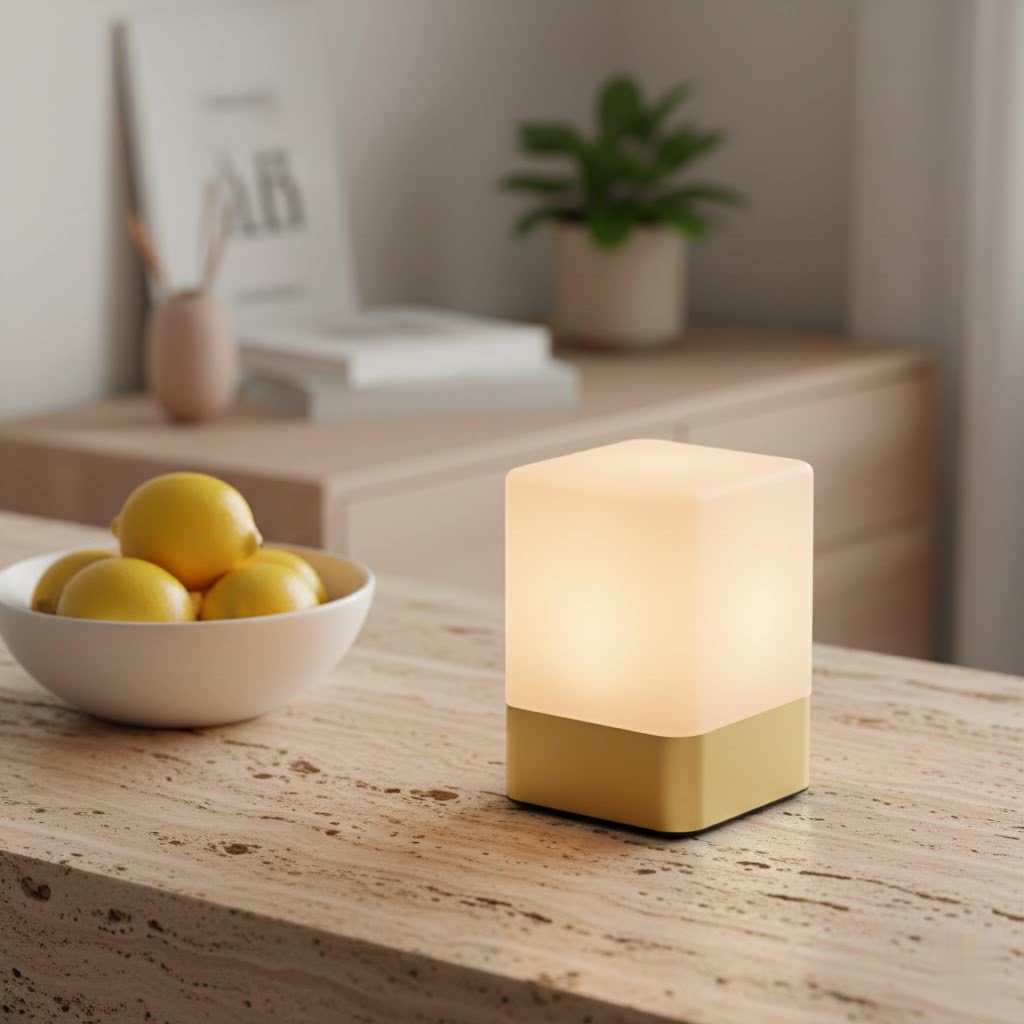
- Tabletop Night Lights: Often placed on a nightstand, these can be more decorative and sometimes include additional features like white noise machines, alarm clocks, or even Bluetooth speakers. They offer comfort and convenience right at your bedside.
- Motion-Sensor Night Lights: These lights automatically turn on when movement is detected and turn off after a period of inactivity. They’re excellent for navigating a dark room or hallway without staying on all night, providing light only when needed.
- Projector & Decorative Night Lights: For a touch of whimsy or specific ambiance, projector lights can cast stars or other patterns onto the ceiling, while decorative lights (like Himalayan salt lamps or unique shapes) double as appealing room decor.
- Portable & Rechargeable Night Lights: These offer ultimate flexibility, allowing you to carry a gentle light with you from room to room, or pack it for travel. They’re often battery-operated and rechargeable, freeing you from wall outlets.
Key Features to Look For
- Adjustable Brightness and Dimmability: The ability to customize the light intensity is crucial. A light that’s too bright, even if red or amber, can still be disruptive. Dimmable options ensure you can set the perfect, subtle glow.
- Dusk-to-Dawn Sensors: These handy sensors detect ambient light, automatically turning your night light on as darkness falls and off as dawn breaks, ensuring efficiency and hands-free operation.
- Smart Features and Controls: Some advanced night lights integrate with smartphone apps, offering remote control over color, brightness, timers, and soundscapes. This provides unparalleled customization and convenience.
Expert Insight: A Holistic Approach to Bedroom Lighting
“Think of your bedroom lighting as a symphony, not a solo act,” says Dr. Elara Vance. “Each light source, from your main lamp to your night light, should play a harmonious role in preparing your body for rest. Prioritize warm, dim, and indirect lighting in the hours leading up to bedtime. Your night light is the gentle lullaby that guides you through the night without interrupting the symphony of sleep.”
Placement Matters: Where to Position Your Night Light
Strategic placement maximizes the benefits of your night light. In the bedroom, consider a low-level plug-in near the door or a tabletop light on your bedside table. For children, a comforting light within easy reach, or one that projects gentle patterns, can be reassuring. Remember to place them where they illuminate pathways without shining directly into sleeping eyes. Hallways and bathrooms leading off the bedroom are also prime locations for night lights to extend that safe, soft glow.
FAQs
What is the ideal brightness for a bedroom night light?
The ideal brightness for a bedroom night light is generally low, typically around 40-50 lumens, providing just enough light to see without being overly stimulating. Some plug-in LED night lights are even lower, around 0.5 watts, offering a very soft glow. Dimmable options are best for personalized control.
Can night lights actually improve sleep quality?
Yes, when chosen and used correctly, night lights can improve sleep quality. They provide safety and comfort, reducing anxiety about darkness. More importantly, night lights with warm hues (red, amber) and low intensity can prevent the suppression of melatonin, the sleep hormone, which bright, cool lights would otherwise disrupt.
Are motion-sensor night lights good for bedrooms?
Motion-sensor night lights are an excellent choice for bedrooms, especially for adults. They provide light only when needed, such as during a late-night bathroom trip, ensuring you don’t wake up fully by turning on a bright light or disturb a sleeping partner. They then turn off automatically, allowing the room to return to complete darkness for optimal sleep.
What are some energy-efficient night light options?
LED night lights are highly energy-efficient, using very little power (often less than 1 watt). Many models come with dusk-to-dawn sensors, which automatically turn the light on and off based on ambient light, further conserving energy. Rechargeable battery-powered LED night lights are also efficient and offer portability.
How do I choose a night light for a child’s bedroom vs. an adult’s?
For a child’s bedroom, consider night lights that offer comforting shapes, color-changing options, or even sound machine features. Safety (BPA-free materials, no tripping hazards from cords) and durability are key. For adults, the focus is often on subtle design, appropriate light color (red/amber), dimmability, and smart features like motion sensors or app control, to support undisturbed sleep and easy navigation.
Conclusion
A night light for your bedroom is a small addition with significant benefits, extending far beyond simple illumination. It’s an investment in your safety, comfort, and most importantly, your sleep quality. By understanding the impact of light color, exploring the diverse types and features available, and placing them thoughtfully, you can craft a sleep environment that nurtures truly restful nights. Embrace the gentle glow, and wake up feeling more refreshed and revitalized, ready to face the day.
