Ever find yourself fumbling in the dark, stubbing a toe on the way to the bathroom, or perhaps lying awake, trying to shake off the lingering anxiety of the unseen? You’re not alone. Many of us navigate our nights in pitch blackness, unaware that a simple, well-chosen Bed Night Light could be the silent guardian we never knew we needed. More than just a glowing gadget, the right bed night light can transform your nocturnal experience, ushering in safer navigation, deeper sleep, and a newfound sense of peace.
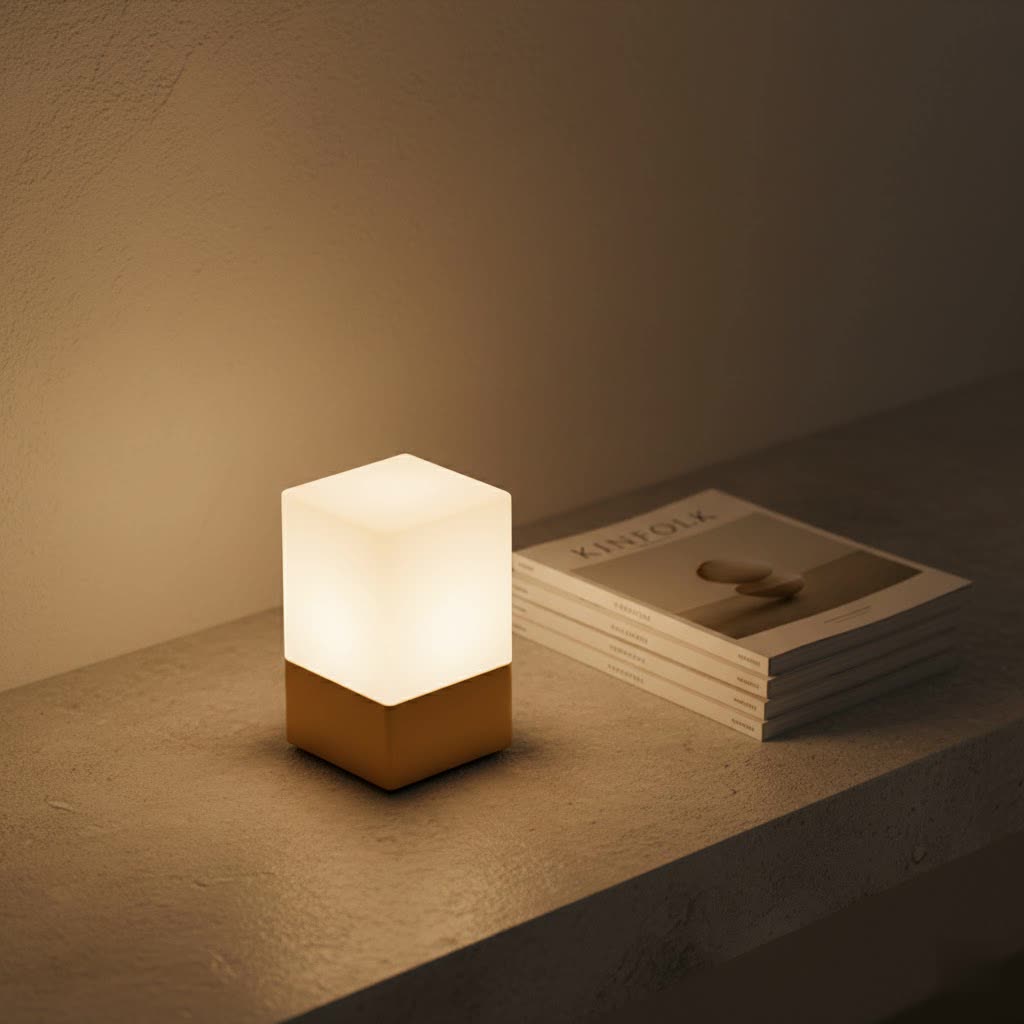
The Unseen Power of a Gentle Glow: Benefits of Bed Night Lights
A common misconception is that all light is bad for sleep. While bright, blue-rich light certainly disrupts our circadian rhythm, a thoughtfully selected bed night light offers a spectrum of benefits that extend far beyond mere illumination.
Enhancing Sleep Quality
|
Our Picks for the Best Night Light in 2026
As an Amazon Associate I earn from qualifying purchases.
|
||
| Num | Product | Action |
|---|---|---|
| 1 | Neon Moon Night Light LED Sign Dimmable Acrylic Neon Light Up Signs Wall Decor for Kids Bedroom Gaming Room Man Cave |

|
| 2 | JandCase LED Night Light, [2 Pack] Night Lights Plug into Wall with Dusk to Dawn Sensor, Dimmable Plug in Night Light, Adjustable Brightness, 3000K Soft White Nightlight for Bedroom Bathroom Hallway |
|
| 3 | Amazon Echo Glow (newest model), Nightlight for kids, Mood light for adults, Works with Alexa |
|
| 4 | L LOHAS LED Night Lights Plug into Wall 2-Pack, 0.3W Plug in Night Light, Dusk to Dawn, 2000K Amber Light, Sleep Aid Nightlight Auto-On/Off, for Adults Kids Room, Bedroom, Bathroom, Hallway, Non-Dim |
|
| 5 | L LOHAS LED Blue Night Lights Plug into Wall 2-Pack, 0.3W Plug in Night Light, Dusk to Dawn, Bright Nightlight Auto-On/Off, for Adults Kids Room Bedroom Bathroom Hallway Kitchen, Non-Dim |
|
| 6 | L LOHAS LED Night Lights Plug into Wall 2-Pack, 0.3W Plug in Night Light, Dusk to Dawn, 3000K Soft White, Bright Nightlight Auto-On/Off, for Adults Kids Room Bedroom Bathroom Hallway Kitchen, Non-Dim |
|
| 7 | L LOHAS LED Red Night Lights Plug into Wall 2-Pack, 0.3W Plug in Night Light, Dusk to Dawn, Bright Nightlight Auto-On/Off, for Adults Kids Room Bedroom Bathroom Hallway Kitchen, Non-Dim |
|
| 8 | Uigos LED Night Light Lamp with Smart Sensor Dusk to Dawn Sensor, Daylight White, 0.5W Plug-in, 6-Pack |
|
| 9 | L LOHAS LED Night Lights Plug into Wall 2-Pack, 0.3W Plug in Night Light, Dusk to Dawn, 5000K Daylight White Bright Nightlight Auto-On/Off for Adults Kids Room Bedroom Bathroom Hallway Kitchen Non-Dim |
|
| 10 | L LOHAS LED Night Light,Dimmable Night Lights Plug into Wall, 2 Pack Acrylic Nightlight with 0-100 LM Adjustable Brightness, 3000K Plug in Night Light with Dusk to Dawn Sensor, for Bathroom Hallway |
|
The human body is remarkably attuned to light. As evening approaches, our brains naturally begin to produce melatonin, the hormone that signals it’s time to sleep. However, exposure to harsh light, especially the blue wavelengths emitted by screens and many modern bulbs, can halt this crucial process, pushing sleep further out of reach.
A quality bed night light, designed with sleep in mind, aims to prevent this disruption. It provides just enough gentle illumination to prevent falls without signaling to your brain that it’s daytime. By omitting the sleep-disdisrupting blue light, it helps maintain your body’s natural melatonin production, guiding you toward a more tranquil and restorative sleep. It’s about creating an environment that whispers, “Rest,” rather than shouting, “Wake up!”
Navigating in Safety and Comfort
Picture this: it’s the middle of the night, and nature calls. Instead of cautiously shuffling through a dark room, risking a stumble, a soft glow guides your path. For young children, the elderly, or anyone prone to midnight excursions, a bed night light is an indispensable safety feature.
It provides enough visibility to avoid obstacles, locate light switches, or tend to a baby, all without fully waking yourself or your partner. This subtle guidance reduces the risk of falls, a significant concern, especially for older adults. It’s about empowering you to move through your home securely, even in the deepest hours of the night, turning potential hazards into easily navigable spaces.
Calming Minds, Big and Small
The dark can be a scary place, particularly for children. A bed night light acts as a comforting presence, chasing away imaginary monsters and easing bedtime anxieties. It provides a visual anchor in an otherwise overwhelming darkness, helping kids feel secure and promoting a smoother transition into sleep.
But it’s not just for kids. Adults, too, can benefit from the psychological comfort of a subtle light. It can alleviate feelings of isolation, reduce anxiety associated with complete darkness, and contribute to an overall sense of well-being in the bedroom. “A properly chosen bed night light isn’t just a convenience; it’s an investment in your sleep health,” says Dr. Anya Sharma, a renowned chronobiologist and sleep consultant. “By opting for dim, red-spectrum light, you support your body’s natural melatonin production, paving the way for a deeper, more restorative sleep.”
Decoding the Light Spectrum: Choosing the Right Color for Your Bed Night Light
Not all light is created equal, especially when it comes to sleep. Understanding color temperature is key to selecting the perfect bed night light.
The “Warm” vs. “Cool” Debate for Sleep
Light color is measured in Kelvin (K). Lower Kelvin values (e.g., 2000K-3000K) produce “warm” light, appearing more yellow, orange, or red. Higher Kelvin values (e.g., 5000K-6500K) produce “cool” light, which appears bluer or whiter.
For nighttime use, the general consensus among sleep experts is to avoid cool, blue-rich light at all costs. Blue light, even in low intensities, mimics daylight and can significantly suppress melatonin production, tricking your brain into thinking it’s still daytime. This disruption can throw your entire circadian rhythm out of whack, leading to difficulty falling asleep and poorer sleep quality.
Recommended Colors for Optimal Sleep
When selecting a bed night light, prioritize warm colors, specifically amber or red. These wavelengths have the least impact on melatonin production and are often associated with relaxation and warmth.
- Red Light: Often touted as the best color for sleep, red light has virtually no impact on melatonin. It’s incredibly soothing and can even be used for short periods before bed to signal to your body that it’s time to wind down. Many specialized sleep-enhancing night lights utilize pure red light.
- Amber Light: Similar to red, amber light is also very low in blue wavelengths. It provides a comfortable, warm glow that’s effective for navigation without disrupting your sleep cycle. Many conventional night lights offer this pleasant hue.
By choosing a bed night light in the amber or red spectrum, you’re not just illuminating your room; you’re actively supporting your body’s natural sleep processes.
Features That Matter: What to Look for in a Bed Night Light
Beyond color, several features can enhance the functionality and effectiveness of your bed night light.
Dimmability and Brightness Control
The “just right” brightness is subjective and can change from night to night. A dimmable bed night light allows you to precisely control the light output, ensuring it’s bright enough for safe passage but dim enough not to startle you awake. Look for models with a wide range of brightness settings, allowing for subtle adjustments to suit your personal needs and the room’s ambient light. This flexibility ensures your night light remains a helpful aid, not an intrusive glare.
Smart Features for Modern Living
Technology has brought convenience to our fingertips, and night lights are no exception. Modern options often come with integrated smart features:
- Motion Sensors: These lights activate only when movement is detected, saving energy and providing light exactly when and where you need it, then turning off automatically. This is perfect for quick trips to the bathroom without having constant illumination.
- Timers: Set your bed night light to turn off after a specific duration, or to gradually dim as you drift off to sleep.
- Smart Home Integration: Some advanced night lights can connect to your smart home system, allowing voice control, scheduling, and integration with other smart devices for a seamless nocturnal experience.
Power and Portability
Consider how your bed night light will be powered and if you need it to move around:
- Plug-in: The most common type, these lights simply plug into a wall outlet and provide continuous or sensor-activated light. Ideal for fixed locations like hallways or bedrooms.
- Battery-operated: Great for areas without convenient outlets, or for emergency use during power outages. They offer flexibility in placement.
- USB-powered: Increasingly popular, these can be powered by USB ports on devices or adapters, offering versatility.
- Portable: Small, handheld night lights or those with carrying handles are excellent for children who want to take their light with them on a nighttime journey to the bathroom or kitchen.
Design and Aesthetics
While functionality is paramount, the appearance of your bed night light shouldn’t be overlooked. Modern designs offer a wide array of styles, from sleek and minimalist to whimsical and decorative. Choose a night light that complements your bedroom decor and personal style, ensuring it feels like an integral part of your personal sanctuary rather than an afterthought. After all, your bedroom should be a place of beauty and tranquility.
Beyond the Bedside: Creative Ways to Use Your Bed Night Light
While “bed night light” implies proximity to your sleeping area, their utility extends far beyond just the bedroom.
- Under-bed Lighting Strips: These clever lights activate when your feet touch the floor, casting a soft glow directly beneath your bed, guiding you out without disturbing the entire room.
- Hallway Guidance: Strategically placed night lights along hallways can create a safe, illuminated path to the bathroom or kitchen without needing to flip on harsh overhead lights.
- Bathroom Safety: A small night light in the bathroom can prevent fumbling for light switches and reduce the risk of slips and falls on wet surfaces.
- Nursery Use: For parents, a gentle bed night light in the nursery is invaluable for late-night feedings and diaper changes, providing just enough light to see without fully waking the baby (or yourself).
FAQs About Bed Night Lights
Q1: What’s the best color for a bed night light?
The best color for a bed night light is typically red or amber. These warm hues contain minimal blue light wavelengths, which are known to suppress melatonin production and disrupt your natural sleep cycle. Red light is often considered optimal for maintaining sleep-friendly hormone levels.
Q2: Can a night light actually improve sleep?
Yes, a properly chosen bed night light can significantly improve sleep, not by providing light during sleep, but by facilitating safer and less disruptive nighttime awakenings. By using a dim, warm-colored light for navigation, you minimize exposure to sleep-disrupting blue light, helping your body maintain its natural sleep-wake cycle.
Q3: Are night lights safe for babies and children?
Absolutely, when chosen carefully. Night lights can be very beneficial for children by alleviating fear of the dark. Ensure the night light is cool to the touch (LEDs are excellent for this), free of small, detachable parts, and emits a gentle, warm light (red or amber) to avoid disrupting their developing sleep patterns.
Q4: How bright should a bed night light be?
A bed night light should be just bright enough for you to safely navigate your room or immediate surroundings without straining your eyes. It should not be so bright that it fully illuminates the room or causes a sharp contrast that jolts you awake. Dimmable options are ideal for finding the perfect subtle glow.
Q5: When should I use a night light?
You should use a night light whenever you anticipate needing to get out of bed in the dark, whether for a bathroom trip, tending to a child, or simply for comfort. It’s particularly useful during the hours when you’re likely to be in deep sleep and want to avoid full light exposure.
Embrace the Gentle Glow for Better Nights
Investing in a high-quality bed night light is more than just buying another gadget; it’s about investing in your health, safety, and peace of mind. By understanding the science of light and sleep, and by choosing a night light with the right color, brightness, and features, you can transform your nights from a period of potential disruption into a serene journey through slumber. Say goodbye to fumbling in the dark and hello to a future of safer, more restful nights, all thanks to the subtle, comforting presence of your ideal bed night light. Make the switch, and experience the profound difference a gentle glow can make.
