We’ve all been there: waking in the dead of night, drawn by an urgent need to visit the bathroom. That groggy stumble through the darkness, fumbling for a light switch, often ends with a jarring overhead blast that zaps away any lingering sleepiness. What if there was a simple, elegant solution to navigate these nocturnal journeys safely and peacefully? Welcome to the world of the Bathroom Night Light, a small but mighty invention transforming nighttime routines. At Maikb.com, we believe that understanding the nuances of light can profoundly impact your well-being, especially when it comes to sleep.
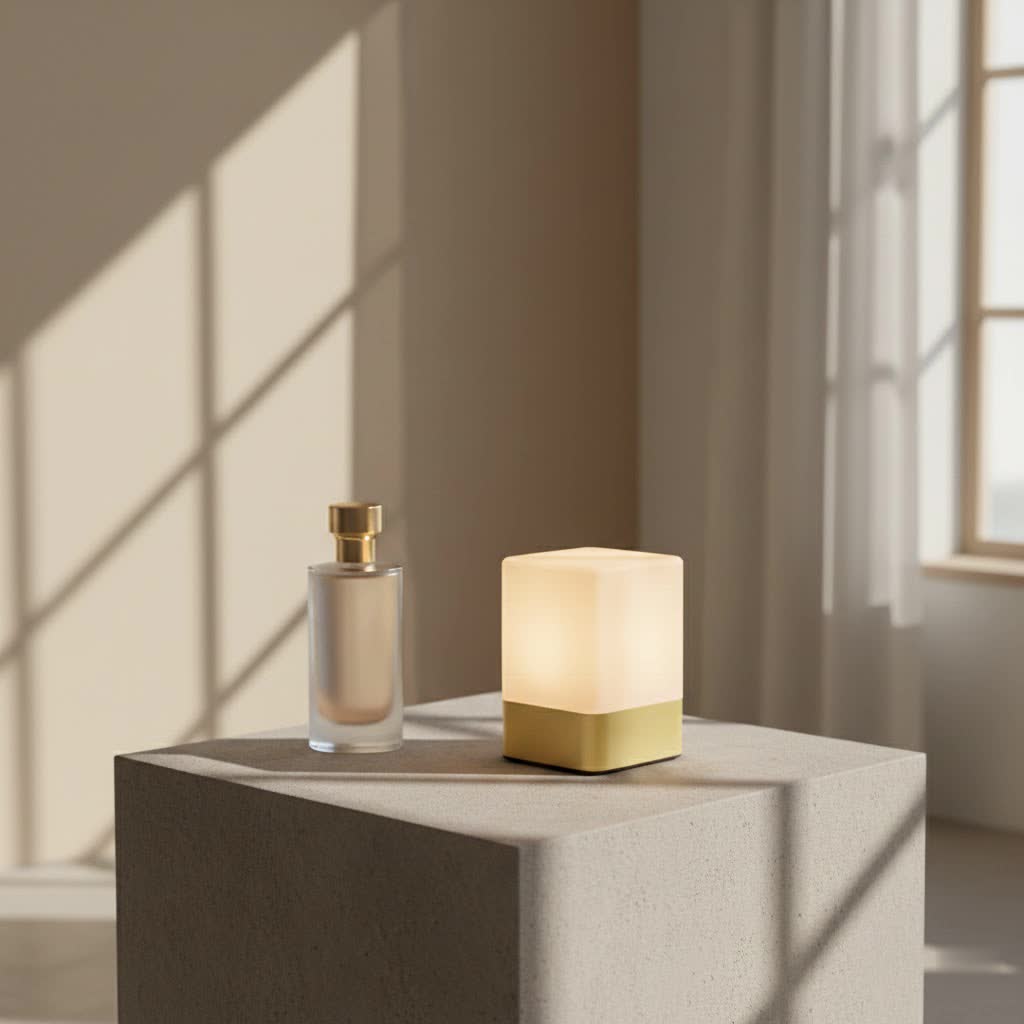
Why You Absolutely Need a Bathroom Night Light
Think of a bathroom night light not as a luxury, but as a vital component for a healthier, safer home. Its benefits extend far beyond simply guiding your steps in the dark.
Enhance Safety and Prevent Falls
|
Our Picks for the Best Night Light in 2026
As an Amazon Associate I earn from qualifying purchases.
|
||
| Num | Product | Action |
|---|---|---|
| 1 | L LOHAS LED Red Night Lights Plug into Wall 2-Pack, 0.3W Plug in Night Light, Dusk to Dawn, Bright Nightlight Auto-On/Off, for Adults Kids Room Bedroom Bathroom Hallway Kitchen, Non-Dim |

|
| 2 | L LOHAS LED Night Lights Plug into Wall 2-Pack, 0.3W Plug in Night Light, Dusk to Dawn, 5000K Daylight White Bright Nightlight Auto-On/Off for Adults Kids Room Bedroom Bathroom Hallway Kitchen Non-Dim |
|
| 3 | Neon Moon Night Light LED Sign Dimmable Acrylic Neon Light Up Signs Wall Decor for Kids Bedroom Gaming Room Man Cave |
|
| 4 | JandCase LED Night Light, [2 Pack] Night Lights Plug into Wall with Dusk to Dawn Sensor, Dimmable Plug in Night Light, Adjustable Brightness, 3000K Soft White Nightlight for Bedroom Bathroom Hallway |
|
| 5 | L LOHAS LED Night Light,Dimmable Night Lights Plug into Wall, 2 Pack Acrylic Nightlight with 0-100 LM Adjustable Brightness, 3000K Plug in Night Light with Dusk to Dawn Sensor, for Bathroom Hallway |
|
| 6 | L LOHAS LED Blue Night Lights Plug into Wall 2-Pack, 0.3W Plug in Night Light, Dusk to Dawn, Bright Nightlight Auto-On/Off, for Adults Kids Room Bedroom Bathroom Hallway Kitchen, Non-Dim |
|
| 7 | Amazon Echo Glow (newest model), Nightlight for kids, Mood light for adults, Works with Alexa |
|
| 8 | Uigos LED Night Light Lamp with Smart Sensor Dusk to Dawn Sensor, Daylight White, 0.5W Plug-in, 6-Pack |
|
| 9 | L LOHAS LED Night Lights Plug into Wall 2-Pack, 0.3W Plug in Night Light, Dusk to Dawn, 2000K Amber Light, Sleep Aid Nightlight Auto-On/Off, for Adults Kids Room, Bedroom, Bathroom, Hallway, Non-Dim |
|
| 10 | L LOHAS LED Night Lights Plug into Wall 2-Pack, 0.3W Plug in Night Light, Dusk to Dawn, 3000K Soft White, Bright Nightlight Auto-On/Off, for Adults Kids Room Bedroom Bathroom Hallway Kitchen, Non-Dim |
|
Our eyes are incredible, but they struggle to adapt instantly from complete darkness to bright light, and vice versa. This transition period, often just a few seconds, is when accidents are most likely to happen. A gentle light provides just enough visibility to avoid tripping over that bathmat, bumping into the toilet, or misjudging a step. This is especially crucial for vulnerable groups.
Why is it important for specific demographics?
For seniors, who may have reduced night vision or balance issues, a night light significantly lowers the risk of falls, a leading cause of injury. Parents often find them indispensable for children who might be afraid of the dark or prone to nighttime wanderings, ensuring their path to the toilet is clear. Even those recovering from surgery or dealing with temporary vision impairments benefit immensely from this subtle guidance. A sudden, full bright light can temporarily blind us, increasing the risk of a fall.
Protect Your Precious Sleep
This is where my expertise truly shines. The human body’s circadian rhythm, our internal clock, is incredibly sensitive to light. Exposure to bright, cool-toned light (especially blue light) at night signals to your brain that it’s daytime, suppressing the production of melatonin—the hormone essential for sleep. Turning on a harsh overhead bathroom light effectively hits a “reset” button on your sleep cycle, making it much harder to drift back to dreamland after your bathroom break.
A well-chosen bathroom night light provides a soft, warm glow that’s just enough to see by without disrupting this delicate hormonal balance. It’s a silent promise that your midnight trip won’t cost you hours of restorative sleep.
Unmatched Convenience and Comfort
Imagine effortlessly gliding to and from the bathroom without fumbling for switches or disturbing a sleeping partner with a sudden burst of light. That’s the convenience a good night light offers. Beyond practicality, the soft, ambient illumination can create a surprisingly calming atmosphere, turning a typically mundane late-night necessity into a peaceful, almost spa-like experience.
Practicality and Hygiene
Let’s be frank: navigating the toilet or sink in total darkness isn’t always precise, leading to potential messes. A subtle light ensures you have clear visibility for quick tasks like washing hands or using the facilities, maintaining hygiene without fully waking yourself up.
“A well-chosen bathroom night light is more than just a convenience; it’s a silent guardian for your sleep and safety,” says Dr. Anya Sharma, a renowned sleep specialist and lighting consultant for Maikb.com. “By embracing soft, targeted illumination, you ensure that late-night trips don’t steal from your restorative rest.”
Choosing the Perfect Bathroom Night Light: What to Look For
Selecting the ideal bathroom night light involves a blend of practicality, personal preference, and an understanding of light technology. Here’s what to consider:
The Power of Soft Light: Brightness and Color Temperature
This is paramount for preserving your sleep.
- Opt for warm tones: Look for lights that emit a soft, warm white, amber, or even red glow. These colors are less likely to interfere with melatonin production. Many people find red light to be the least disruptive for late-night wake-ups.
- Avoid harsh blue/white light: Bright, cool-toned white or blue lights are stimulating and should be avoided in nighttime settings.
- Dimmable features: The ability to adjust brightness is a fantastic feature, allowing you to customize the light level to your exact needs, ensuring enough visibility without being overwhelming.
Smart Sensing: Motion and Light Sensors
Modern night lights come equipped with smart features that enhance both convenience and energy efficiency.
- Motion-activated lights: These are incredibly popular for bathrooms. They turn on automatically when movement is detected and switch off after a period of inactivity, conserving energy and ensuring light is only present when needed. This means no more fumbling for switches, and the light won’t stay on unnecessarily.
- Dusk-to-dawn (light-sensing) lights: These automatically activate when the ambient light drops below a certain level and turn off when the room brightens. They’re excellent for consistent, passive illumination throughout the night.
- Combine for optimal results: Some advanced systems allow for combining these features, offering the best of both worlds.
Design and Placement Matters
The type of night light and where you place it significantly impact its effectiveness and how it integrates with your bathroom’s design.
- Plug-in night lights: These are the most common and versatile, simply plugging into any available wall outlet. They are compact and ideal for general path illumination.
- LED strips: For a more integrated and subtle solution, LED strips can be installed under cabinets, along baseboards, or behind mirrors. They provide a continuous, gentle glow that can enhance the bathroom’s aesthetic.
- Toilet bowl night lights: Yes, these exist! Motion-activated lights that clip onto the toilet bowl can illuminate the inside of the bowl, adding a fun, functional element and aiding in hygiene.
- Wall sconces with dimmers: If you’re planning a bathroom renovation, consider installing wall sconces with dimming capabilities. These can offer excellent ambient lighting during the day and a soft, low glow at night.
- Strategic placement: Ideally, position your bathroom night light near the floor to illuminate the pathway without shining directly into your eyes. Place them along the route from your bedroom to the bathroom, and then strategically inside—near the toilet, sink, and shower entry. Avoid direct overhead lighting at night.
Prioritizing Safety: Water Resistance (IP Rating)
Bathrooms are moisture-rich environments, making electrical safety a critical consideration.
- Check the IP rating: For any electrical device used near water, look for an Ingress Protection (IP) rating. An IP44 rating or higher indicates protection against splashing water from any direction, making it suitable for bathroom use, especially near sinks, bathtubs, or showers.
- Dedicated bathroom lights: Many night lights are designed specifically for bathrooms and will have the appropriate water resistance. If you’re adapting a general-purpose night light, ensure it’s placed well away from direct water sources.
Energy Efficiency and Longevity
Nobody wants to rack up electricity bills for a tiny light.
- LED is king: LED night lights are by far the most energy-efficient option. They consume minimal power (often just pennies a year) and boast an incredibly long lifespan, meaning fewer bulb replacements and less environmental impact.
- Automatic shut-off: Motion-activated and dusk-to-dawn sensors further boost energy savings by ensuring the light is only on when truly needed.
Style That Shines: Matching Your Decor
Night lights have come a long way from plain white plastic squares. Today, you can find them in a myriad of styles, shapes, and finishes to complement any bathroom decor. Whether your aesthetic is sleek and modern, rustic farmhouse, or classic traditional, there’s a bathroom night light that will blend seamlessly, adding to the room’s ambiance rather than detracting from it.
Expert Tips for Maximizing Your Bathroom Night Light’s Potential
To truly harness the power of your bathroom night light, a little planning goes a long way.
- Map Your Path: Walk the route from your bed to the bathroom, and then within the bathroom itself. Identify potential tripping hazards and key areas that need illumination (e.g., the toilet, the sink, the shower entrance). Place night lights strategically along this entire path.
- Test in the Dark: Before relying on your setup, test it! Turn off all main lights during the day and rely solely on your night lights. Are there any dark spots? Any areas where the light is too harsh or too dim? Adjust placement as needed to ensure consistent, gentle illumination.
- Layer Your Lighting: Sometimes, a single night light isn’t enough. Consider combining different types—a plug-in in the hallway, an LED strip under the vanity, and perhaps a motion-sensor toilet light—for comprehensive, unobtrusive coverage.
Frequently Asked Questions About Bathroom Night Lights
Q: What color light is best for a bathroom night light?
A: Soft, warm colors like amber or red are generally best. These tones are least disruptive to your body’s melatonin production, helping you fall back asleep easier after a nighttime bathroom trip.
Q: Are motion-activated night lights good for bathrooms?
A: Absolutely! Motion-activated lights are ideal for bathrooms because they provide light only when needed, conserving energy and minimizing unnecessary light exposure. They offer hands-free convenience, which is perfect when you’re half-asleep.
Q: Can I use any night light in the bathroom?
A: While many plug-in night lights are suitable, it’s crucial to consider water safety. For areas near the sink, shower, or tub, opt for night lights with an IP (Ingress Protection) rating of IP44 or higher, indicating protection against splashing water. Non-bathroom specific lights should be placed well away from water sources.
Q: How many night lights do I need for my bathroom?
A: The number depends on your bathroom’s size and layout. For smaller bathrooms, one strategically placed plug-in night light might suffice. Larger bathrooms or those with complex layouts might benefit from two or more, ensuring the entire pathway and key areas like the toilet and sink are softly lit. Consider also lighting the path to the bathroom from your bedroom.
Q: Do bathroom night lights save energy?
A: Yes, especially LED night lights. They consume very little electricity, often just fractions of a watt. When combined with motion sensors or dusk-to-dawn sensors, they only operate when necessary, leading to significant energy savings compared to leaving overhead lights on or fumbling in the dark.
Embrace a Brighter, Safer Night
Integrating a bathroom night light into your home is a small change with monumental benefits. It’s an investment in your safety, your sleep quality, and your overall well-being. No more jarring bright lights, no more stumbling in the dark – just a gentle, guiding glow that respects your body’s natural rhythms. Explore the diverse range of options available and transform your nighttime routine into a serene, secure experience. Visit Maikb.com for more insights and expert advice on how to illuminate your life intelligently, one light at a time.
