For many, a night light conjures images of a child’s bedroom, a soft glow banishing monsters from under the bed. But the world of night lights is far more sophisticated, offering solutions for safety, comfort, and even improved well-being across all ages. The term “Bright Night Light” can sometimes feel like a contradiction – after all, isn’t the goal to have minimal light at night? Yet, for specific needs, a brighter night light can be an indispensable tool. The trick, as we often say at Maikb, is understanding when and how to leverage that brightness without compromising your precious sleep.
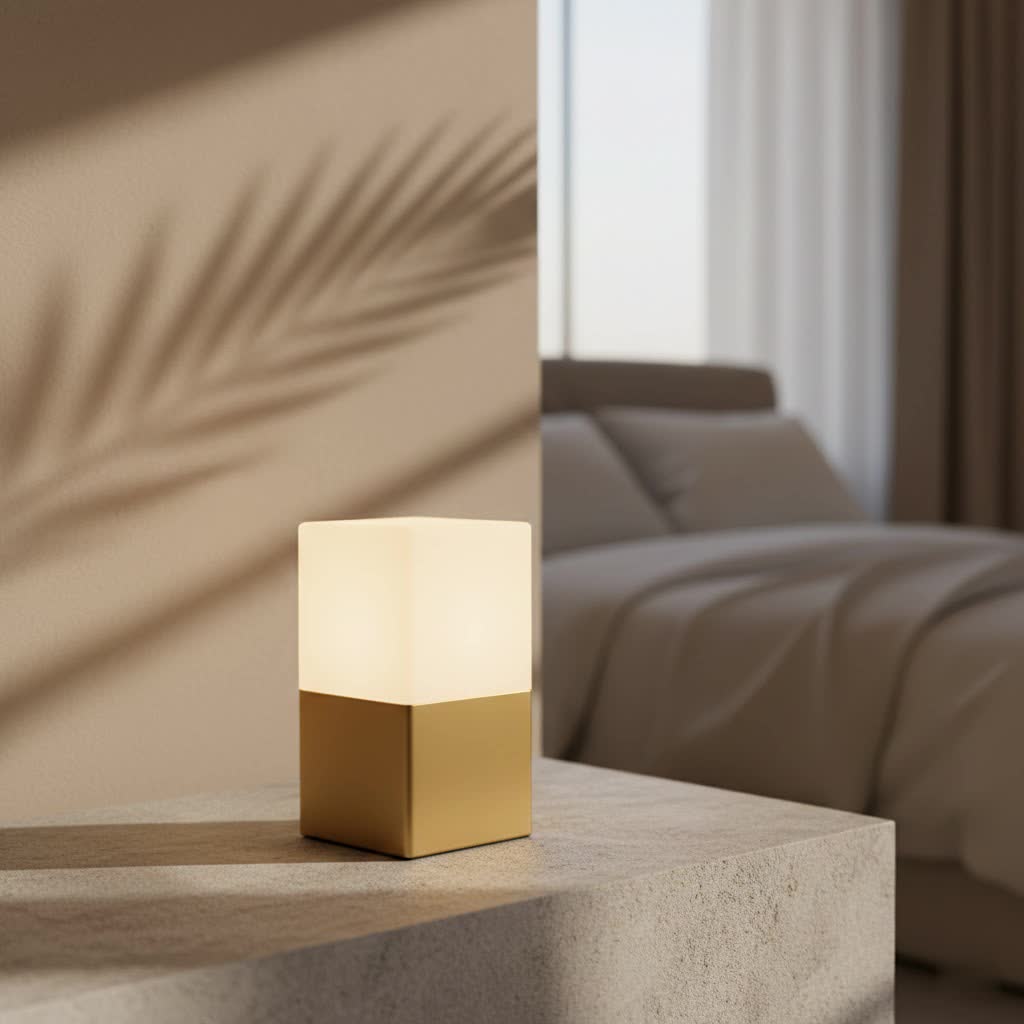
Here at Maikb.com, we’ve spent over a decade diving deep into the science of sleep and light, guiding you to make informed choices that truly benefit your nightly routine. Let’s shed some light on what makes a bright night light truly effective and how to integrate it wisely into your home.
The Allure of Brightness: When a Bright Night Light Shines Best
There are legitimate scenarios where a brighter night light offers distinct advantages, primarily centered around safety and momentary visibility.
For instance, consider nighttime navigation. Fumbling in the dark to find the bathroom or get a glass of water can lead to bumps, bruises, or even serious falls. A strategically placed bright night light, perhaps along a hallway or near stairs, can offer just enough illumination to guide your way without the jarring shock of flipping on a main overhead light. This is especially crucial for older adults whose eyesight may be less keen at night, making obstacles harder to spot. A little extra brightness here isn’t about disturbing sleep; it’s about preventing injury.
Parents, too, often appreciate a somewhat brighter night light in a nursery or child’s room. It can provide enough visibility for quick diaper changes, feeding sessions, or comforting a child after a bad dream, allowing you to see what you’re doing without fully waking yourself or the baby. Similarly, for older children who might need a moment to find a toy or use the restroom, a night light with adjustable brightness offers flexibility.
The Hidden Cost of Too Much Light: Why Bright Can Be Bad
While a bright night light can be a boon for safety, it’s a delicate balance. The human body is exquisitely tuned to light and darkness, and excessive illumination at night, especially with certain light colors, can have detrimental effects on sleep and overall health.
Our bodies rely on melatonin, a hormone that signals it’s time to wind down and sleep. The production of melatonin is naturally suppressed by light, particularly blue light. When you expose yourself to a bright night light containing blue wavelengths before or during sleep, you actively inhibit this crucial hormone. This disruption can make it harder to fall asleep, reduce sleep quality, and leave you feeling less refreshed in the morning. It messes with your circadian rhythm, your body’s internal 24-hour clock, which governs not just sleep, but many other physiological processes.
Beyond just making you feel groggy, prolonged exposure to artificial bright light at night has been linked to more serious health concerns. Research suggests connections to metabolic conditions such as diabetes, hypertension, and obesity, as well as increased risk for heart disease and even certain types of cancer. Even a dim light, if it’s the wrong color or too consistent, can subtly affect heart function and elevate blood pressure. So, while a bright night light might seem helpful, its impact on your internal systems demands careful consideration.
Finding Your Sweet Spot: How Bright is Just Right?
Determining the ideal brightness for a night light isn’t a one-size-fits-all answer; it depends heavily on location and individual needs. Brightness is measured in lumens, and understanding this can help you make informed choices.
For a standard night light, often used for minimal guidance in a bedroom, a very low output of 10-20 lumens is typically sufficient and least disruptive to sleep. Many experts recommend keeping night lights at 50 lumens or lower for general use.
However, for children’s rooms, the recommendations can vary slightly by age:
- Infants and Young Children: Aim for a gentle illumination of 100-200 lumens if providing general light, but some suggest an ideal range of 5-50 lumens is better for overall sleep hygiene. Critically, avoid anything exceeding 80 lumens, as this can be excessively bright for developing eyes and sleep patterns.
- Older Children: If a child needs a night light for short tasks like reading a book before bed or drawing, up to 200-300 lumens might be considered, but it’s vital to ensure it’s not left on at this brightness during sleep. Dimmable options are a perfect solution here.
For adults and seniors, especially in areas like hallways or bathrooms, a somewhat brighter night light might be necessary for fall prevention and clear orientation due to potential vision changes. However, the key here is not sustained brightness in the bedroom but rather localized, temporary, or motion-activated light where needed.
Color Matters More Than You Think: The Spectrum of Sleep
When it comes to night lights, color is arguably more important than sheer brightness for bedroom environments. Not all light colors are created equal in the eyes of your circadian rhythm.
- The Warm Glow Advantage: When choosing a bright night light, especially for bedrooms or areas where you might linger, prioritize warm-toned lights. Red, amber, or soft orange lights are your best friends for nighttime illumination. These warmer wavelengths have a minimal impact on melatonin production and are less likely to disrupt your sleep-wake cycle. In fact, red light has even been shown in some research to improve sleep quality and aid in melatonin production, making it an excellent choice for a calming pre-sleep environment. They help your brain understand that it’s still nighttime, allowing for a gentler transition to rest.
- The Blue Light Blunder: Conversely, blue and cool white lights are the most problematic for sleep. These wavelengths are naturally abundant in daylight and signal alertness to your brain. Exposure to them at night, even from a bright night light, actively suppresses melatonin, making it incredibly difficult to fall asleep and achieve restorative rest. Avoid these colors in any night light used in or near sleeping areas.
“Finding the perfect bright night light is all about striking a balance,” advises Elena Petrova, Lead Lighting Architect at Maikb. “You want enough light to ensure safety and comfort without sending a ‘wake up’ signal to your brain. Always lean towards warmer hues and consider how much light you truly need for the task at hand.”
Smart Features for Smarter Sleep
Modern night lights come with a host of features that can help you harness brightness intelligently:
- Dimmable Controls: This is perhaps the most crucial feature for a versatile bright night light. The ability to adjust the light output allows you to have a brighter setting for specific needs (like a quick check on a child) and then dim it down to a barely-there glow for undisturbed sleep.
- Motion Sensors: For areas like hallways, bathrooms, or stairs, motion-activated night lights are invaluable. They provide a burst of brightness only when needed, then fade back into darkness, preventing constant light exposure that could disrupt sleep. This is particularly beneficial for seniors needing clear pathways at night.
- Timers and Automatic Shut-off: Some night lights can be programmed to gradually dim and turn off after a set period. This is ideal for children who need a light to fall asleep but benefit from complete darkness later in the night.
- Strategic Placement: The position of your night light matters. Keep it low to the ground to illuminate pathways rather than the entire room or, worse, the ceiling. This minimizes wide light dispersion and direct eye exposure.
- Energy-Efficient LEDs: Opt for LED night lights. They consume very little power, making them cost-effective to leave on, and often offer a wider range of color and brightness options than traditional bulbs.
FAQs
How bright should a night light be for an adult?
|
Our Picks for the Best Night Light in 2026
As an Amazon Associate I earn from qualifying purchases.
|
||
| Num | Product | Action |
|---|---|---|
| 1 | JandCase LED Night Light, [2 Pack] Night Lights Plug into Wall with Dusk to Dawn Sensor, Dimmable Plug in Night Light, Adjustable Brightness, 3000K Soft White Nightlight for Bedroom Bathroom Hallway |
![Check JandCase LED Night Light, [2 Pack] Night Lights Plug into Wall with Dusk to Dawn Sensor, Dimmable Plug in Night Light, Adjustable Brightness, 3000K Soft White Nightlight for Bedroom Bathroom Hallway on Amazon](https://maikb.com/wp-content/plugins/amazon-tables/assets/images/buy.png)
|
| 2 | Amazon Echo Glow (newest model), Nightlight for kids, Mood light for adults, Works with Alexa |
|
| 3 | L LOHAS LED Blue Night Lights Plug into Wall 2-Pack, 0.3W Plug in Night Light, Dusk to Dawn, Bright Nightlight Auto-On/Off, for Adults Kids Room Bedroom Bathroom Hallway Kitchen, Non-Dim |
|
| 4 | Neon Moon Night Light LED Sign Dimmable Acrylic Neon Light Up Signs Wall Decor for Kids Bedroom Gaming Room Man Cave |
|
| 5 | L LOHAS LED Night Lights Plug into Wall 2-Pack, 0.3W Plug in Night Light, Dusk to Dawn, 2000K Amber Light, Sleep Aid Nightlight Auto-On/Off, for Adults Kids Room, Bedroom, Bathroom, Hallway, Non-Dim |
|
| 6 | L LOHAS LED Night Lights Plug into Wall 2-Pack, 0.3W Plug in Night Light, Dusk to Dawn, 5000K Daylight White Bright Nightlight Auto-On/Off for Adults Kids Room Bedroom Bathroom Hallway Kitchen Non-Dim |
|
| 7 | L LOHAS LED Night Lights Plug into Wall 2-Pack, 0.3W Plug in Night Light, Dusk to Dawn, 3000K Soft White, Bright Nightlight Auto-On/Off, for Adults Kids Room Bedroom Bathroom Hallway Kitchen, Non-Dim |
|
| 8 | L LOHAS LED Night Light,Dimmable Night Lights Plug into Wall, 2 Pack Acrylic Nightlight with 0-100 LM Adjustable Brightness, 3000K Plug in Night Light with Dusk to Dawn Sensor, for Bathroom Hallway |
|
| 9 | L LOHAS LED Red Night Lights Plug into Wall 2-Pack, 0.3W Plug in Night Light, Dusk to Dawn, Bright Nightlight Auto-On/Off, for Adults Kids Room Bedroom Bathroom Hallway Kitchen, Non-Dim |
|
| 10 | Uigos LED Night Light Lamp with Smart Sensor Dusk to Dawn Sensor, Daylight White, 0.5W Plug-in, 6-Pack |
|
For an adult’s bedroom, a night light should be very dim, ideally 10-20 lumens, and emit warm, red, or amber light to avoid disrupting melatonin production. For navigational safety in hallways or bathrooms, a brighter, motion-activated light can be useful, but it should not be a constant presence in the sleeping environment.
Is a bright night light bad for toddlers?
Yes, excessively bright or blue-toned night lights can be detrimental to toddlers’ sleep. They can suppress melatonin, disrupt their sleep cycles, and potentially cause eye strain. Stick to dim, warm-colored lights, ideally between 5-50 lumens, or those with auto-dimming features.
What color night light is best for sleep?
Warm colors like red, amber, or soft orange are best for sleep. These colors have the least impact on your body’s melatonin production and promote a calming atmosphere, signaling to your brain that it’s time to rest.
Can a night light cause insomnia?
A night light, especially one that is too bright or emits blue light, can contribute to insomnia by suppressing melatonin and disrupting your natural circadian rhythm. Consistent darkness is optimal for healthy sleep, so if a night light is used, it should be dim and warm-colored.
Are LED night lights safe to leave on all night?
Yes, LED night lights are generally safe to leave on all night. They are energy-efficient, produce very little heat, and have a long lifespan. The key concern is the light’s brightness and color, not the LED technology itself. Always choose dim, warm-colored LEDs for bedrooms.
Conclusion
Choosing the right bright night light is about balancing practical needs with the profound impact light has on our biology. While a night light can be a fantastic tool for safety and convenience, especially for children and seniors, its brightness and color must be carefully managed. By opting for dimmable features, motion sensors, and, most importantly, warm-toned lights like red or amber, you can create an environment that supports both your nighttime navigation and your precious sleep. At Maikb, we believe in empowering you with the knowledge to make intelligent lighting choices, ensuring your nights are both safe and truly restful.
