Ever found yourself tossing and turning, wondering if there’s a simple secret to a more peaceful night’s rest? You’re not alone! In our brightly lit world, our sleep often takes a hit. But what if a gentle glow, specifically from a Red Light Night Light, could be the game-changer you’ve been searching for? As someone who’s spent over a decade immersed in the world of sleep lighting, I’m here to tell you that the power of red light is more than just a trend—it’s a scientifically backed approach to enhancing your bedtime routine and transforming your sleep quality. Let’s dive deep into why this warm hue is becoming every sleep enthusiast’s best friend.
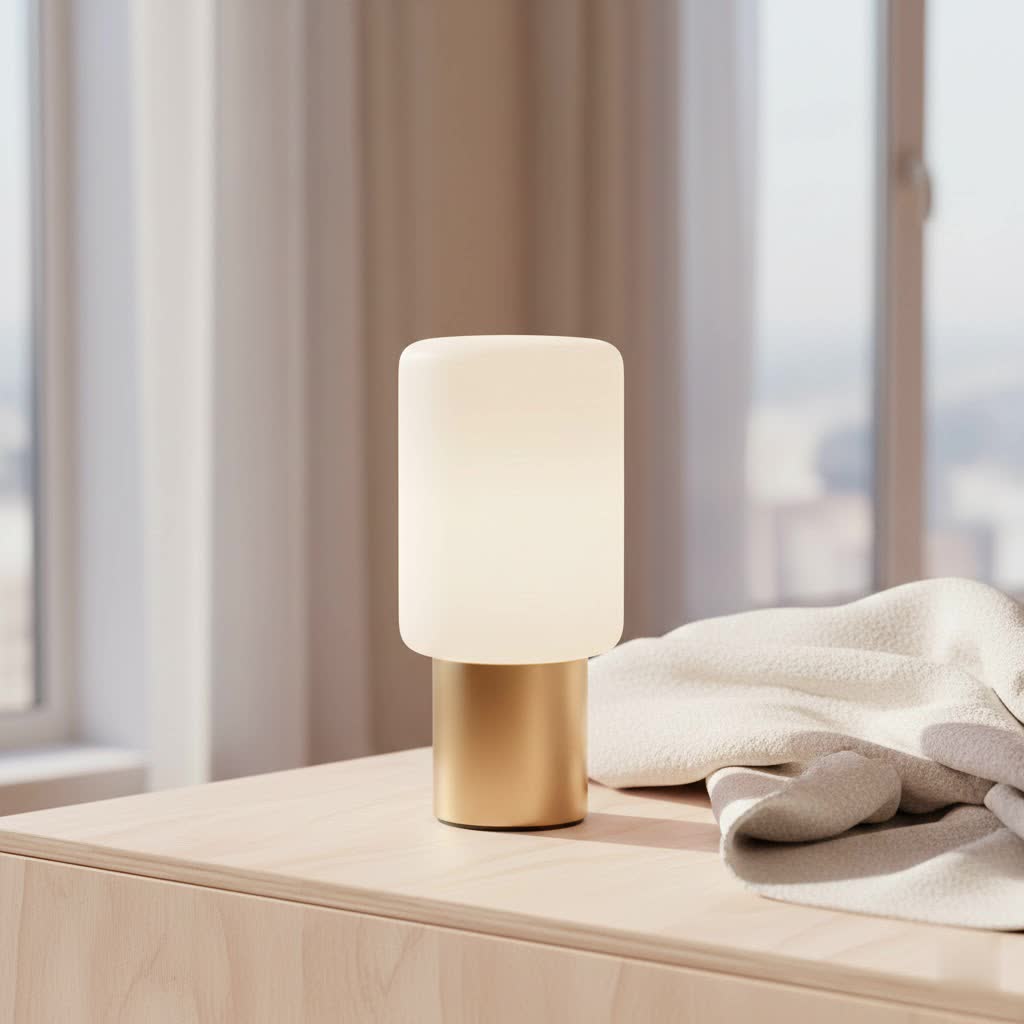
Why Red Light is Your Sleep’s Best Ally
We all know that bright, blue-rich light from screens and harsh overhead lamps can play havoc with our sleep. That’s because blue light signals to our brain that it’s daytime, actively suppressing melatonin, the hormone crucial for signaling sleep. Think of it as nature’s internal clock getting confused! This is where the red light night light steps in as a hero.
Unlike its blue counterparts, red light operates on longer wavelengths that are far gentler on your eyes and your body’s delicate internal rhythm. It doesn’t send those “stay awake” signals. Instead, it creates an environment that whispers to your body, “It’s time to wind down.” This calming effect helps your body naturally prepare for sleep, encouraging relaxation without the disruptive light signals. While some studies suggest red light can boost melatonin, the consensus points to its primary benefit being its ability to not suppress melatonin, thereby supporting your natural sleep cycle.
The Science Behind the Soft Glow
|
Our Picks for the Best Night Light in 2026
As an Amazon Associate I earn from qualifying purchases.
|
||
| Num | Product | Action |
|---|---|---|
| 1 | JandCase LED Night Light, [2 Pack] Night Lights Plug into Wall with Dusk to Dawn Sensor, Dimmable Plug in Night Light, Adjustable Brightness, 3000K Soft White Nightlight for Bedroom Bathroom Hallway |
![Check JandCase LED Night Light, [2 Pack] Night Lights Plug into Wall with Dusk to Dawn Sensor, Dimmable Plug in Night Light, Adjustable Brightness, 3000K Soft White Nightlight for Bedroom Bathroom Hallway on Amazon](https://maikb.com/wp-content/plugins/amazon-tables/assets/images/buy.png)
|
| 2 | L LOHAS LED Blue Night Lights Plug into Wall 2-Pack, 0.3W Plug in Night Light, Dusk to Dawn, Bright Nightlight Auto-On/Off, for Adults Kids Room Bedroom Bathroom Hallway Kitchen, Non-Dim |
|
| 3 | Neon Moon Night Light LED Sign Dimmable Acrylic Neon Light Up Signs Wall Decor for Kids Bedroom Gaming Room Man Cave |
|
| 4 | L LOHAS LED Night Lights Plug into Wall 2-Pack, 0.3W Plug in Night Light, Dusk to Dawn, 2000K Amber Light, Sleep Aid Nightlight Auto-On/Off, for Adults Kids Room, Bedroom, Bathroom, Hallway, Non-Dim |
|
| 5 | L LOHAS LED Night Lights Plug into Wall 2-Pack, 0.3W Plug in Night Light, Dusk to Dawn, 5000K Daylight White Bright Nightlight Auto-On/Off for Adults Kids Room Bedroom Bathroom Hallway Kitchen Non-Dim |
|
| 6 | Uigos LED Night Light Lamp with Smart Sensor Dusk to Dawn Sensor, Daylight White, 0.5W Plug-in, 6-Pack |
|
| 7 | L LOHAS LED Red Night Lights Plug into Wall 2-Pack, 0.3W Plug in Night Light, Dusk to Dawn, Bright Nightlight Auto-On/Off, for Adults Kids Room Bedroom Bathroom Hallway Kitchen, Non-Dim |
|
| 8 | L LOHAS LED Night Lights Plug into Wall 2-Pack, 0.3W Plug in Night Light, Dusk to Dawn, 3000K Soft White, Bright Nightlight Auto-On/Off, for Adults Kids Room Bedroom Bathroom Hallway Kitchen, Non-Dim |
|
| 9 | L LOHAS LED Night Light,Dimmable Night Lights Plug into Wall, 2 Pack Acrylic Nightlight with 0-100 LM Adjustable Brightness, 3000K Plug in Night Light with Dusk to Dawn Sensor, for Bathroom Hallway |
|
| 10 | Amazon Echo Glow (newest model), Nightlight for kids, Mood light for adults, Works with Alexa |
|
What exactly makes red light so special for our slumber? It all boils down to how different light wavelengths interact with our bodies. Our circadian rhythm, that 24-hour internal clock, is incredibly sensitive to light. When we expose ourselves to bright lights, especially those with a high blue light component, in the evening, we essentially tell our bodies to delay sleep.
Red light, with wavelengths typically ranging from 620 to 750 nanometers, doesn’t interfere with this delicate balance. “The magic of red light isn’t about forcing sleep, but rather allowing your body’s natural sleep mechanisms to function as they’re meant to, free from disruptive light interference,” explains Dr. Elara Vance, a renowned sleep physiologist and light therapy specialist. It’s about providing just enough subtle illumination to navigate your evening without hitting the brakes on melatonin production.
Benefits Beyond the Bedroom: More Than Just a Night Light
A red light night light offers a multitude of advantages that extend beyond simply helping you drift off.
- Supports Natural Melatonin Production: By avoiding the melatonin-suppressing effects of blue light, red light allows your body to produce this sleep-inducing hormone naturally, paving the way for easier and deeper sleep.
- Promotes Relaxation and Reduces Stress: The warm, soft glow of red light has a naturally calming effect, making it easier to unwind after a long day. This can help reduce feelings of stress and anxiety, creating a serene atmosphere perfect for a pre-sleep wind-down.
- Gentle on the Eyes: Unlike brighter, harsher lights, a red light night light won’t jolt your eyes or disrupt your senses if you need to get up during the night. This is particularly beneficial for children or anyone sensitive to bright lights.
- Reduces Sleep Inertia: If you do need to wake up briefly, studies suggest that exposure to red light can help reduce “sleep inertia”—that groggy, disoriented feeling many of us experience upon waking. This means you might feel more alert and less tired if you encounter red light upon waking.
- Aides Children with Nighttime Fears: For our little ones who might be scared of the dark, a dim red light night light can provide just enough visibility to soothe their fears without disrupting their precious sleep. It creates a feeling of safety and comfort.
Choosing Your Perfect Red Light Night Light
Ready to embrace the red light revolution? Selecting the right red light night light is key to maximizing its benefits. Here’s what to consider:
What are the ideal wavelengths for a red light night light?
For sleep-focused benefits, look for devices that emit light in the red spectrum, typically around 620-750 nanometers. While some “red light therapy” devices incorporate near-infrared light (830-850 nm) for deeper cellular penetration, for simply supporting sleep and avoiding melatonin suppression, the visible red light spectrum is what you need.
How bright should my red light night light be?
When it comes to sleep, dimmer is always better. The goal is subtle illumination, not a bright beacon. Too much intensity, even from a red light, can still have a minor suppressive effect on melatonin. Choose a night light with adjustable brightness or one that emits a naturally soft, unobtrusive glow.
What type of red light night light should I choose?
There are several options to fit your lifestyle:
- Plug-in Night Lights: Simple, affordable, and perfect for subtle, continuous illumination in bedrooms, nurseries, or hallways.
- Red Light Bulbs: You can swap out your regular bedroom bulbs for red-emitting LED bulbs, allowing you to control the overall room ambiance during your wind-down routine.
- Red Light Therapy Devices: While these often offer higher intensity and specific wavelengths for broader therapeutic benefits (like skin or muscle recovery), many also have settings suitable for pre-sleep use. Just be mindful of the intensity and keep it dim for sleep purposes.
- Portable Options: Smaller, battery-operated night lights can be great for travel or for children who want their familiar light source wherever they go.
Should I choose LED or incandescent red light bulbs?
Modern LED red light night lights are generally more energy-efficient and offer more consistent light output at specific wavelengths. While incandescent bulbs tinted red exist, LEDs are often the more advanced and effective choice for targeted red light benefits.
Integrating the Red Light Night Light into Your Evening Routine
Having the right red light night light is just the first step. How you use it makes all the difference!
When should I use my red light night light?
Start introducing red light into your environment about 30-60 minutes before you plan to go to bed. This gives your body ample time to recognize the shift from stimulating light to a more relaxing hue and begin its natural wind-down process.
Where should I place it?
Position your red light night light strategically. In a bedroom, a low-level night light near the floor or on a bedside table can provide enough visibility without direct, intense light shining into your eyes. For children’s rooms, place it where it offers comfort without being overly stimulating.
Should I sleep with a red light night light on?
While red light is the least disruptive color for sleep, most experts agree that complete darkness is still ideal for optimal rest. Continuous light exposure, even red, can potentially increase micro-arousals and negatively affect sleep architecture. It’s best to use your red light night light during your wind-down routine and then turn it off once you’re ready to sleep. If you require some light due to safety concerns, ensure it’s extremely dim and positioned out of your direct line of sight.
What else can I do to optimize my sleep environment?
Using a red light night light is a fantastic tool, but it works best as part of a holistic approach to sleep hygiene. Dim other lights, avoid screens for at least an hour before bed, keep your bedroom cool and quiet, and establish a consistent sleep schedule. These habits, combined with your red light night light, will create a powerful recipe for restful nights.
Frequently Asked Questions About Red Light Night Lights
Does red light therapy work for sleep?
Yes, red light therapy, when used correctly (typically as a dim light source before bed), can support better sleep by not suppressing melatonin and creating a calming environment conducive to rest.
Is red light better than orange light for sleep?
Both red and orange lights are considered beneficial for evening use compared to blue or white light. Red light typically has longer wavelengths and is often highlighted for its minimal impact on circadian rhythms. The key is to use warm, dim light.
Can red light make you fall asleep faster?
By helping to preserve natural melatonin production and fostering a relaxed state, red light can make it easier to fall asleep faster compared to exposure to blue-rich lights.
Is it OK to read by a red light before bed?
Absolutely! Reading a physical book under a dim red light is an excellent way to wind down without stimulating your brain with the bright light from e-readers or tablets.
Are there any downsides to using a red light night light?
When used at appropriate, dim intensities, there are generally no significant downsides. However, overly bright red light, like any bright light, could potentially interfere with melatonin. Always opt for dim settings.
How long should I use a red light night light before bed?
Aim for 30 to 60 minutes of exposure to dim red light before you intend to sleep to help your body naturally transition into a relaxed, sleep-ready state.
Embrace the Warm Glow for a Cooler Night’s Sleep
The journey to better sleep doesn’t have to be complicated. Sometimes, the simplest adjustments can yield the most profound results. A red light night light isn’t a magic bullet, but it’s a powerful, natural tool that can gently guide your body towards the restorative rest it deserves. By understanding how this warm, inviting glow harmonizes with your body’s natural rhythms, you’re not just choosing a light—you’re choosing a pathway to improved sleep quality, reduced nighttime anxieties, and a more refreshed you. So, why not try incorporating a red light night light into your routine tonight? Your dreams will thank you!
