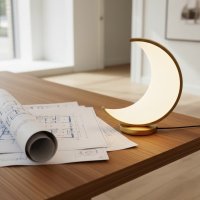
Have you ever fumbled in the dark, stubbed a toe, or felt a shiver of unease when the lights went out? We’ve all been there. It’s in these moments that the humble night light steps in, offering a gentle beacon of comfort and practicality. But what exactly is a night light, and how can this small glow transform your nightly routine, enhance safety, and even profoundly impact your sleep quality?
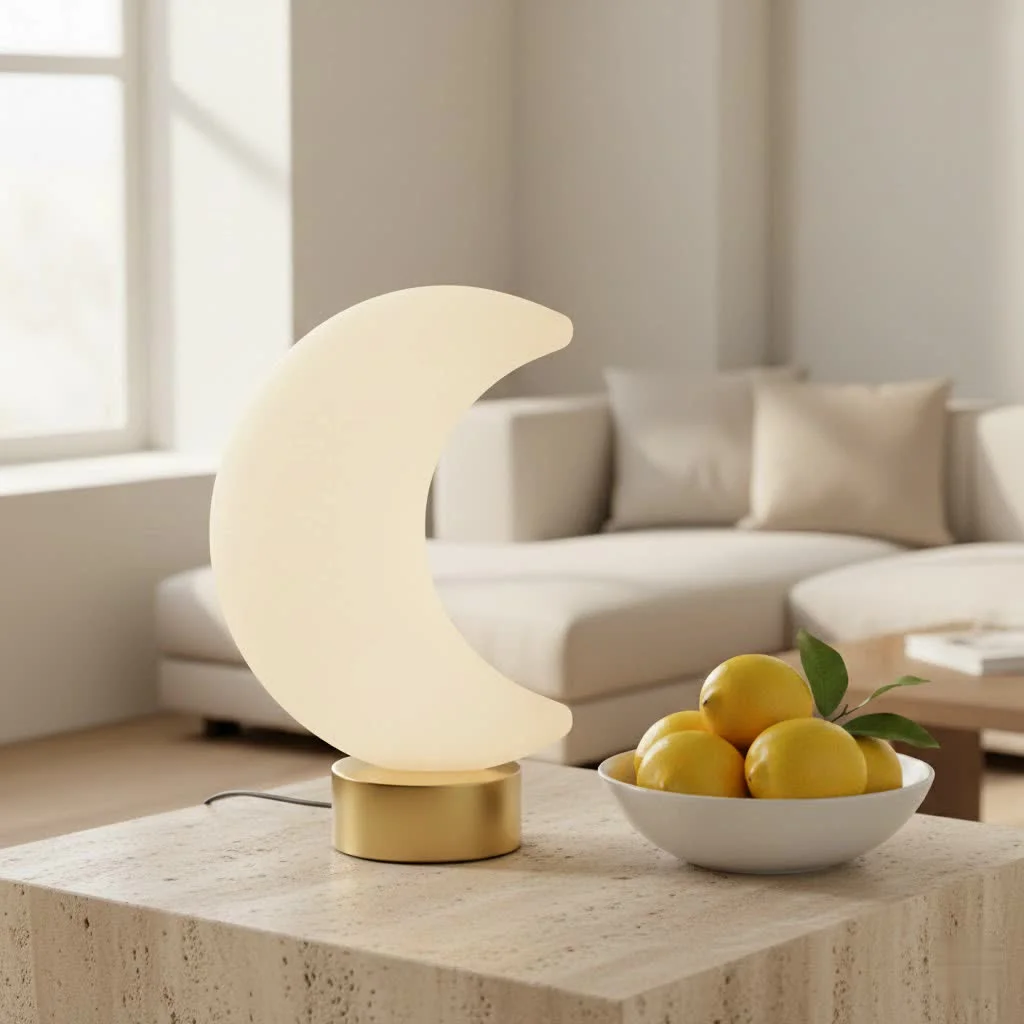
At Maikb.com, we believe that understanding the nuances of light is key to unlocking truly restful sleep. A night light is far more than just a dim bulb; it’s a strategically placed light source designed to provide just enough illumination for comfort and navigation without disrupting your body’s natural sleep signals. From soothing anxieties to preventing those midnight bumps and scrapes, the right night light can make a world of difference for every member of your household.
The Unseen Benefits of a Night Light: More Than Just Illumination
You might think of a night light as a simple, utilitarian item, but its benefits stretch far beyond merely warding off darkness. For decades, a night light has been a silent guardian in countless homes, proving its value in surprising ways.
Comfort and Security for All Ages
Let’s face it, the dark can be a little spooky sometimes, even for adults! A night light offers a psychological anchor, providing a sense of security that can dramatically ease anxiety, especially for young children who might be grappling with a fear of the dark. That soft glow transforms a potentially scary, shadowy room into a comforting, familiar space, allowing little ones to drift off to sleep feeling safe and protected. For adults too, waking in a completely dark, unfamiliar hotel room or after a jarring nightmare can be disorienting; a subtle light helps re-establish a sense of calm and bearings.
Enhanced Safety and Navigation
One of the most practical uses for a night light is its ability to improve safety and navigation around your home after sunset. Picture this: you wake up needing a glass of water or a quick trip to the bathroom. Instead of flicking on a harsh overhead light that blasts your eyes and jolts you fully awake, a strategically placed night light subtly illuminates your path. This low-level lighting helps prevent trips and falls over unseen obstacles, guiding you safely through hallways, up stairs, or within the bathroom without disrupting your sleep cycle. This is particularly beneficial for the elderly, for whom falls can have serious consequences, and for parents checking on their children without disturbing their slumber.
Fostering a Relaxing Sleep Environment
|
Our Picks for the Best Night Light in 2026
As an Amazon Associate I earn from qualifying purchases.
|
||
| Num | Product | Action |
|---|---|---|
| 1 | L LOHAS LED Night Lights Plug into Wall 2-Pack, 0.3W Plug in Night Light, Dusk to Dawn, 3000K Soft White, Bright Nightlight Auto-On/Off, for Adults Kids Room Bedroom Bathroom Hallway Kitchen, Non-Dim |

|
| 2 | L LOHAS LED Blue Night Lights Plug into Wall 2-Pack, 0.3W Plug in Night Light, Dusk to Dawn, Bright Nightlight Auto-On/Off, for Adults Kids Room Bedroom Bathroom Hallway Kitchen, Non-Dim |
|
| 3 | Amazon Echo Glow (newest model), Nightlight for kids, Mood light for adults, Works with Alexa |
|
| 4 | Neon Moon Night Light LED Sign Dimmable Acrylic Neon Light Up Signs Wall Decor for Kids Bedroom Gaming Room Man Cave |
|
| 5 | L LOHAS LED Night Lights Plug into Wall 2-Pack, 0.3W Plug in Night Light, Dusk to Dawn, 2000K Amber Light, Sleep Aid Nightlight Auto-On/Off, for Adults Kids Room, Bedroom, Bathroom, Hallway, Non-Dim |
|
| 6 | L LOHAS LED Red Night Lights Plug into Wall 2-Pack, 0.3W Plug in Night Light, Dusk to Dawn, Bright Nightlight Auto-On/Off, for Adults Kids Room Bedroom Bathroom Hallway Kitchen, Non-Dim |
|
| 7 | Uigos LED Night Light Lamp with Smart Sensor Dusk to Dawn Sensor, Daylight White, 0.5W Plug-in, 6-Pack |
|
| 8 | L LOHAS LED Night Light,Dimmable Night Lights Plug into Wall, 2 Pack Acrylic Nightlight with 0-100 LM Adjustable Brightness, 3000K Plug in Night Light with Dusk to Dawn Sensor, for Bathroom Hallway |
|
| 9 | L LOHAS LED Night Lights Plug into Wall 2-Pack, 0.3W Plug in Night Light, Dusk to Dawn, 5000K Daylight White Bright Nightlight Auto-On/Off for Adults Kids Room Bedroom Bathroom Hallway Kitchen Non-Dim |
|
| 10 | JandCase LED Night Light, [2 Pack] Night Lights Plug into Wall with Dusk to Dawn Sensor, Dimmable Plug in Night Light, Adjustable Brightness, 3000K Soft White Nightlight for Bedroom Bathroom Hallway |
|
While total darkness is often considered ideal for sleep, a well-chosen night light can actually contribute to a more relaxing sleep environment. Warm, soft illumination signals to your brain that it’s time to unwind, creating a peaceful ambiance that can be incredibly conducive to relaxation before bed. Unlike bright, stimulating lights, a gentle night light avoids over-arousal, helping you transition smoothly from your waking hours into a state of readiness for sleep.
Supporting Bedtime Routines and Independent Sleep
For families with young children, a night light can become an integral part of a calming bedtime routine. Turning on a favorite, gentle night light can be a soothing cue, signaling that it’s time to wind down alongside stories and cuddles. This consistency helps children associate the light with comfort and rest. Moreover, for a child who wakes during the night, a night light provides just enough reassurance to help them settle back to sleep independently, fostering a sense of confidence without needing to call for a parent.
Decoding Light: How a Night Light Impacts Your Sleep
The relationship between light and sleep is incredibly intricate, governed by our body’s internal clock. Understanding this connection is paramount when choosing and using a night light.
The Science of Sleep: Melatonin and Circadian Rhythms
Our bodies operate on a sophisticated 24-hour cycle called the circadian rhythm. This internal clock dictates when we feel awake and when we feel sleepy, largely influenced by light and darkness. A crucial hormone in this process is melatonin, often dubbed the “sleep hormone.” As evening approaches and light fades, our pineal gland naturally increases melatonin production, signaling to our body that it’s time to prepare for sleep. Bright light, especially at night, can disrupt this delicate process, essentially tricking your brain into thinking it’s still daytime.
The “Bad Guys”: Blue Light and Melatonin Suppression
Not all light is created equal when it comes to sleep. Blue light, prevalent in many electronic screens (phones, tablets, TVs) and some artificial lighting, is particularly problematic. Research consistently shows that exposure to blue light in the evening can significantly suppress melatonin production, making it harder to fall asleep and achieve deep, restorative sleep. This is why experts universally advise minimizing blue light exposure before bedtime.
The “Good Guys”: Red, Amber, and Warm Hues for Restful Sleep
If light exposure before bed is a necessity, the color temperature of that light makes all the difference. Dim, reddish, amber, or warm white (around 2700K-3000K) hues are your allies for better sleep. These colors have longer wavelengths and do not interfere with melatonin production to the same extent as blue light. Using a night light that emits these warmer tones can provide necessary illumination for safety and comfort without sending confusing signals to your brain, thus preserving your body’s natural readiness for sleep.
“Many people think a night light is just a simple gadget, but its impact on our sleep and overall well-being, particularly for children, is profound,” says Dr. Eleanor Vance, a leading somnologist. “It’s not just about turning on a light; it’s about curating an environment that gently guides the body into a restorative slumber.”
Special Considerations for Children’s Sleep
It’s vital to recognize that children are exceptionally sensitive to the effects of light on sleep. Their eyes, with larger pupils and more transparent lenses, allow more light to reach the brain’s “master clock.” Studies have shown that even dim light exposure before bedtime can significantly suppress melatonin levels in preschoolers, with the effect lasting long after the light is turned off. This heightened sensitivity means that careful selection of a child’s night light is even more critical, prioritizing dim, warm-toned options placed out of their direct line of sight.
Choosing Your Perfect Glow: Key Features to Look For
Selecting the right night light involves more than just picking a cute design. Consider these features to ensure you find a night light that perfectly fits your needs and promotes healthy sleep.
Brightness Control: Dimmable is King
The ability to adjust the brightness level is perhaps the most crucial feature for any night light. A light that’s too bright can counteract all the benefits of warm hues by still interfering with sleep, while one that’s too dim might not offer sufficient illumination for navigation. Look for models with multiple brightness settings or a stepless dimming function, allowing you to customize the glow to exactly what you need, whether it’s a barely-there shimmer or a slightly brighter light for reading.
Color Temperature: Embrace the Warmth
As we’ve explored, the color of the light profoundly impacts sleep. Always prioritize night lights that emit warm white (2700K-3000K), soft amber, yellow, or red/orange light. Steer clear of cool white or blue-toned lights in sleeping areas, as these are the primary culprits for melatonin suppression. Many modern night lights offer color-changing options, allowing you to select the most sleep-friendly hue.
Smart Features for Modern Living
Today’s night lights come packed with intelligent features designed for convenience and energy efficiency:
- Motion Sensors: Perfect for hallways, bathrooms, or staircases, motion-activated night lights turn on only when movement is detected, providing light exactly when and where it’s needed, then switching off automatically. This saves energy and ensures darkness when no one is around.
- Light Sensors (Dusk-to-Dawn): These smart lights automatically activate when ambient light levels drop and turn off when it gets brighter, ensuring the night light is only on during dark hours, optimizing energy use.
- Timers: Some night lights can be programmed to switch off after a set period, which is great for children who need light to fall asleep but benefit from total darkness later in the night.
- Remote Control/Touch Control: For ultimate convenience, especially for bedside use, a remote or touch-sensitive control allows you to adjust settings without fumbling in the dark.
Power and Placement: Plug-in, Battery, Tabletop, Wall-Mount
Night lights come in various forms to suit different spaces and needs:
- Plug-in Night Lights: These are the most common and versatile, simply plugging directly into an electrical outlet. They are ideal for hallways, bathrooms, and bedrooms where an outlet is easily accessible.
- Table Lamp Night Lights: Combining functionality with aesthetic appeal, these models sit on bedside tables or dressers, often featuring decorative designs that blend seamlessly with your decor.
- Wall Mount Night Lights: Offering a more permanent solution, these are affixed to the wall, providing consistent illumination in strategic locations like stairwells or entryways.
- Battery-Powered/Portable Night Lights: These offer maximum flexibility in placement, making them excellent for areas without accessible outlets, for travel, or for children who might want to carry their light during a nighttime trip to the bathroom. Rechargeable options are also popular for their sustainability.
Safety and Durability: Especially for Little Ones
When selecting a night light, particularly for a child’s room, safety is paramount. Look for models made from durable, child-safe materials. LED night lights are an excellent choice as they are energy-efficient, long-lasting, and crucially, cool to the touch, minimizing any burn risk. Ensure any portable lights are designed to be robust enough for little hands.
Maikb’s Expert Tips for Optimal Night Light Use
As seasoned experts in night lighting, we at Maikb have a few insider tips to help you maximize the benefits of your night light while safeguarding your sleep:
- Placement Matters: For bedrooms, place the night light low to the floor and out of direct line of sight from the bed. This provides ambient light for navigation without shining directly into sleeping eyes. In hallways and bathrooms, strategic placement can effectively illuminate pathways without needing multiple lights.
- Integrate into Your Routine: Make turning on a warm-hued night light a part of your evening wind-down routine. This helps condition your brain to recognize that it’s time to transition from the day’s activities to restful sleep.
- Prioritize Quality and Safety: Invest in a night light from a reputable brand that prioritizes quality components and safety certifications, especially if it’s for a child’s room. Durability and safe operation are just as important as the light itself.
FAQs about Night Lights
Are night lights bad for sleep?
While total darkness is generally considered optimal for sleep, a well-chosen night light is not inherently bad. The key is to select one that emits a dim, warm-colored light (red, amber, or warm white) and place it strategically to avoid direct light exposure to the eyes. Blue or bright lights are detrimental as they suppress melatonin production, making it harder to fall asleep.
What color night light is best for sleep?
Red, amber, or warm white (around 2700K-3000K) night lights are best for sleep. These colors have less impact on melatonin production compared to cool white or blue light, which can disrupt your circadian rhythm.
Should adults use a night light?
Absolutely! Adults can benefit from a night light for safety and comfort. It helps in navigating dark rooms, hallways, and bathrooms without having to turn on bright lights that can fully wake you up. For those with a fear of the dark or who experience disorientation upon waking, a gentle night light can provide reassurance.
How bright should a night light be?
A night light should be just bright enough to see by without being jarring or stimulating. It’s best to choose a dimmable night light so you can adjust the intensity to your personal preference and needs. The goal is subtle illumination, not to light up the entire room.
Where is the best place to put a night light?
For bedrooms, place the night light low to the ground and out of your direct line of sight from the bed. Common placements include near a doorway, by a bed stand, or in a corner. For navigation, night lights are best placed in hallways, bathrooms, and near staircases.
Illuminating Your Path to Better Sleep
From offering a comforting presence to guiding your steps in the dark, a night light is a small device with significant potential to enhance your home environment and improve your sleep. By choosing a night light with the right color temperature, adjustable brightness, and smart features, you can create a sanctuary of rest and safety. At Maikb.com, we are committed to helping you navigate the world of night lights, ensuring you find the perfect glow to illuminate your path to better sleep and a more serene nightly experience. Explore our insights and product recommendations to discover how the right night light can transform your nights.
Get our weekly buyer guide
Practical specs, not advice. Unsubscribe anytime.