A blue canary night light, while charming, can negatively impact sleep due to the blue light it emits, which suppresses melatonin production and disrupts the circadian rhythm. For optimal sleep, Maikb.com recommends choosing night lights that emit red, amber, or warm yellow light, as these colors minimally interfere with natural sleep cycles.
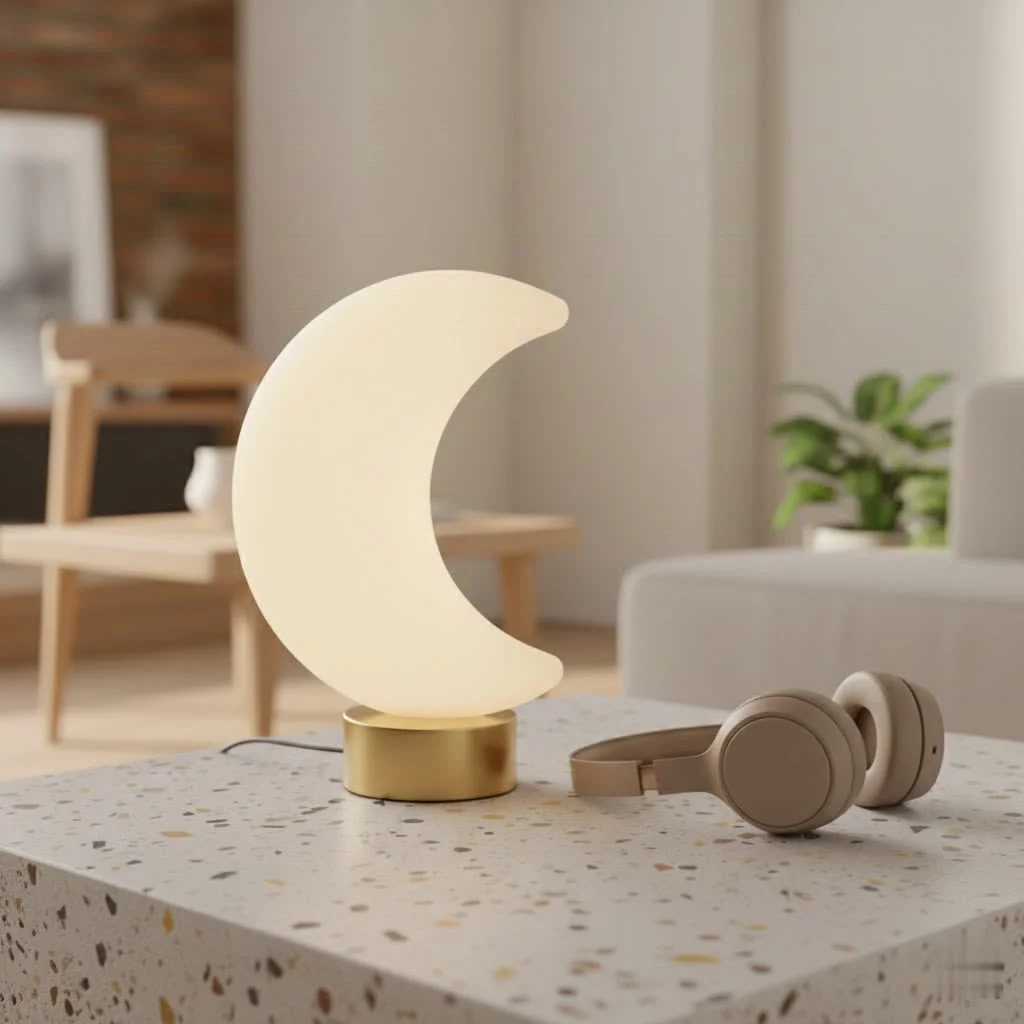
What is a Blue Canary Night Light? More Than Just a Cute Bird
When we talk about a “blue canary night light,” we’re usually referring to a charming, often decorative, plug-in LED light shaped like a small blue bird. These delightful pieces are cherished for their unique design and the soft, ambient glow they cast. Some are simple, mass-produced items, while others are handcrafted from materials like fused glass, adding a bespoke touch to any room. Many are equipped with convenient features like auto on/off sensors, responding to the ambient light in the room, and some boast energy-efficient LED bulbs.
Interestingly, the “blue canary” often holds a special place in popular culture, famously associated with the song “Birdhouse in Your Soul” by They Might Be Giants. This connection adds a layer of whimsical storytelling, transforming a simple night light into a “little glowing friend” that promises to “brighten up the darkest of rooms at night time.” Whether chosen for its nostalgic value, its artistic flair, or simply as a comforting presence, the blue canary night light certainly stands out from more conventional options.
The Science of Blue Light and Its Impact on Your Sleep
Now, let’s dive into the core of the matter: the color blue itself. While the blue canary night light is undeniably cute, the color blue in any light source, particularly during the evening hours, has a well-documented impact on our physiology.
Our bodies operate on a sophisticated internal clock called the circadian rhythm, which dictates our sleep-wake cycles. This rhythm is exquisitely sensitive to light. During the day, natural blue light from the sun signals our bodies to be alert and awake. It boosts our mood and cognitive function, which is exactly what we need to tackle the day.
However, the story changes dramatically as evening approaches. Exposure to blue light at night can significantly disrupt this natural process. The primary culprit is melatonin, a hormone produced by the pineal gland that signals to our body that it’s time to wind down and prepare for sleep. Blue light, with its short, high-energy wavelengths, is particularly effective at suppressing melatonin production. This can trick our brains into thinking it’s still daytime, leading to a cascade of negative effects:
- Delayed Sleep Onset: It takes longer to fall asleep, leaving you tossing and turning.
- Reduced Sleep Quality: Even if you do fall asleep, the quality of your rest can be compromised, potentially reducing crucial REM sleep, which impacts memory and cognitive function.
- Frequent Waking: You might find yourself waking up more often throughout the night.
- Daytime Grogginess: The next morning, you might feel unrested, drowsy, and struggle with mental clarity, despite having spent hours in bed.
This suppression of melatonin and disruption of the circadian rhythm is a major concern in our modern world, with ubiquitous sources of blue light from electronic screens (phones, tablets, TVs) and many LED lights.
Is a Blue Canary Night Light a Good Choice for Sleep?
|
Our Picks for the Best Night Light in 2026
As an Amazon Associate I earn from qualifying purchases.
|
||
| Num | Product | Action |
|---|---|---|
| 1 | Uigos LED Night Light Lamp with Smart Sensor Dusk to Dawn Sensor, Daylight White, 0.5W Plug-in, 6-Pack |

|
| 2 | L LOHAS LED Red Night Lights Plug into Wall 2-Pack, 0.3W Plug in Night Light, Dusk to Dawn, Bright Nightlight Auto-On/Off, for Adults Kids Room Bedroom Bathroom Hallway Kitchen, Non-Dim |
|
| 3 | L LOHAS LED Blue Night Lights Plug into Wall 2-Pack, 0.3W Plug in Night Light, Dusk to Dawn, Bright Nightlight Auto-On/Off, for Adults Kids Room Bedroom Bathroom Hallway Kitchen, Non-Dim |
|
| 4 | L LOHAS LED Night Light,Dimmable Night Lights Plug into Wall, 2 Pack Acrylic Nightlight with 0-100 LM Adjustable Brightness, 3000K Plug in Night Light with Dusk to Dawn Sensor, for Bathroom Hallway |
|
| 5 | Neon Moon Night Light LED Sign Dimmable Acrylic Neon Light Up Signs Wall Decor for Kids Bedroom Gaming Room Man Cave |
|
| 6 | JandCase LED Night Light, [2 Pack] Night Lights Plug into Wall with Dusk to Dawn Sensor, Dimmable Plug in Night Light, Adjustable Brightness, 3000K Soft White Nightlight for Bedroom Bathroom Hallway |
|
| 7 | L LOHAS LED Night Lights Plug into Wall 2-Pack, 0.3W Plug in Night Light, Dusk to Dawn, 2000K Amber Light, Sleep Aid Nightlight Auto-On/Off, for Adults Kids Room, Bedroom, Bathroom, Hallway, Non-Dim |
|
| 8 | Amazon Echo Glow (newest model), Nightlight for kids, Mood light for adults, Works with Alexa |
|
| 9 | L LOHAS LED Night Lights Plug into Wall 2-Pack, 0.3W Plug in Night Light, Dusk to Dawn, 5000K Daylight White Bright Nightlight Auto-On/Off for Adults Kids Room Bedroom Bathroom Hallway Kitchen Non-Dim |
|
| 10 | L LOHAS LED Night Lights Plug into Wall 2-Pack, 0.3W Plug in Night Light, Dusk to Dawn, 3000K Soft White, Bright Nightlight Auto-On/Off, for Adults Kids Room Bedroom Bathroom Hallway Kitchen, Non-Dim |
|
This brings us to a crucial question: should you use a blue canary night light, or any blue night light, in your bedroom or a child’s room if sleep is a priority?
Here’s where we need to balance charm with science. While the gentle glow of a blue canary night light might feel soothing and comforting due to its low intensity, the color of the light itself is the key factor. If the blue light emitted by the night light falls within the melatonin-suppressing wavelengths (typically 450-480 nanometers), it has the potential to interfere with sleep, even if it’s dim.
“The intention behind a night light is often to provide comfort and safety, but we must ensure its design doesn’t inadvertently work against our natural sleep mechanisms,” advises Dr. Anya Sharma, a leading sleep scientist and lighting design consultant for Maikb.com. “While a blue canary is delightful to look at, its color might be sending the wrong signal to your brain if used right before or during sleep. It’s about being informed and making conscious choices.”
Therefore, while the blue canary might be a wonderful decorative piece or a fun addition to a playroom, its suitability for a sleeping environment needs careful consideration.
Choosing the Right Night Light Color for Optimal Sleep
When the goal is truly restorative sleep, especially for children whose sleep patterns are still developing, selecting the right light color is paramount. Our expert recommendation centers on colors that minimally interfere with melatonin production and the circadian rhythm.
- Red Light: This is often considered the best choice for night lights. Red light has the longest wavelength and has been shown to have the least impact on melatonin production. It provides enough visibility for safe movement without stimulating the brain into wakefulness.
- Amber or Warm Yellow Light: These colors are also excellent alternatives. They are softer than blue light and fall into the warmer end of the spectrum, which is much less disruptive to your sleep cycle. Think of the warm glow of a sunset or candlelight – these are naturally calming colors.
- Soft Orange Light: Similar to red and amber, orange tones are gentle on the eyes and sleep-friendly.
When selecting a night light, beyond color, also consider these features:
- Dimmable Settings: The ability to adjust brightness allows you to find the lowest possible light level needed, further minimizing disruption.
- Auto On/Off with Motion Sensors: This ensures the light is only on when absolutely necessary, further limiting light exposure during the night.
- Timer Functions: A timer can turn the night light off after a set period once a child has fallen asleep, or when you are settled, promoting a truly dark sleep environment.
Alternatives to Pure Blue Light Night Lights
If your heart is set on a canary-themed night light or a playfully designed option, but you’re concerned about the blue light, there are smart alternatives:
- Color-Changing Night Lights: Many modern night lights offer a spectrum of colors. You can set them to blue for daytime play or a brief aesthetic moment, but switch to a warm red or amber for bedtime.
- Smart Night Lights with “Sleep Modes”: Advanced night lights often integrate with smart home systems and feature pre-programmed “sleep modes” that gradually shift colors from cool to warm, or automatically dim, preparing the room for sleep.
- Warm-Toned Novelty Lights: Look for canary-shaped night lights that specifically emit a warm white, yellow, or amber glow instead of blue.
- Layered Lighting: If you love your blue canary, consider using it in a non-sleep area or as a decorative item that’s turned off well before bedtime. For the actual sleeping space, opt for a dedicated warm-toned night light.
Frequently Asked Questions About Night Lights and Sleep
Q: Do all blue night lights disrupt sleep?
A: Generally, yes. While a very dim blue light might have less impact than a bright one, blue wavelengths are inherently more stimulating to the circadian system and melatonin production compared to warmer colors like red, amber, or warm yellow. It’s best to avoid blue light for sleep-related lighting.
Q: What is the best color night light for a child’s bedroom?
A: Red, amber, or warm yellow night lights are recommended for children’s bedrooms. These colors provide enough visibility for comfort and safety without interfering with melatonin production and their developing sleep cycles.
Q: How far away should a night light be from the bed?
A: Place a night light far enough away that its light doesn’t shine directly into the sleeper’s eyes. Closer to the door or further across the room is often ideal, allowing the light to be just enough for navigation without directly impacting sleep.
Q: Can blue light filters help if I use a blue night light?
A: While blue light filtering glasses or screen modes can help with electronic devices, they are not a substitute for choosing a sleep-friendly colored night light. The most effective approach is to use minimal light and opt for warmer hues in the bedroom.
Q: Are there any benefits to blue light at night?
A: No, there are no benefits to blue light exposure at night concerning sleep. While blue light during the day is beneficial for alertness, mood, and regulating the circadian rhythm, its presence in the evening or during the night sends the wrong signals to your body, hindering sleep.
Illuminating Your Path to Better Sleep
The blue canary night light, with its undeniable charm and comforting presence, can certainly bring joy. However, as experts in light and sleep, we encourage you to make informed decisions about the lighting in your sleep environment. Understanding the science behind light color and its profound impact on your body’s natural rhythms is the first step toward optimizing your sleep sanctuary.
At Maikb.com, our mission is to empower you with the knowledge to choose night lights that not only delight but also support truly restful sleep. By opting for warmer hues and thoughtful design, you can create an environment where both whimsy and well-being can thrive, guiding you and your loved ones towards consistently better sleep. Make a conscious choice for your night light, and let it lead you to a brighter, well-rested tomorrow.
Frequently Asked Questions
Do all blue night lights disrupt sleep?
Generally, yes, blue night lights disrupt sleep. Blue wavelengths, typically between 450-480 nanometers, are inherently more stimulating to the circadian system and melatonin production compared to warmer colors like red, amber, or warm yellow, even if the light is dim. It is best to avoid blue light for sleep-related lighting to prevent interference with natural sleep cycles.
What is the best color night light for a child's bedroom?
Red, amber, or warm yellow night lights are recommended for children's bedrooms. These colors provide enough visibility for comfort and safety without interfering with melatonin production and their developing sleep cycles, promoting more restful sleep for children.
How far away should a night light be from the bed?
A night light should be placed far enough away so its light does not shine directly into the sleeper's eyes. Placing it closer to the door or further across the room, such as 3-5 feet away, is often ideal, allowing just enough light for navigation without directly impacting sleep quality.
Can blue light filters help if I use a blue night light?
While blue light filtering glasses or screen modes can help mitigate the effects of electronic devices, they are not a substitute for choosing a sleep-friendly colored night light. The most effective approach for bedroom lighting is to use minimal light and opt for warmer hues like red or amber, rather than relying on filters for a blue night light.
Are there any benefits to blue light exposure at night?
No, there are no benefits to blue light exposure at night concerning sleep. While blue light during the day is beneficial for alertness, mood, and regulating the circadian rhythm, its presence in the evening or during the night sends the wrong signals to your body, hindering the production of melatonin and disrupting sleep.
Get our weekly buyer guide
Practical specs, not advice. Unsubscribe anytime.
This information about melatonin suppression was eye-opening! I always thought any dim light was fine, but understanding the science behind blue light disrupting circadian rhythms makes so much sense. I’ve swapped out all our night lights for amber ones, and I’ve noticed a subtle improvement in how rested I feel in the mornings. Highly recommend making the switch.
My old night light had an auto on/off sensor which was super convenient. When I switched to a red light one, I made sure it had that feature too. It’s great not having to remember to turn it off in the morning. Definitely agree that red light is the way to go for better sleep, especially after trying blue for a while.
I was so glad to read about the impact of blue light on sleep. I had a cute blue canary night light in my son’s room for ages, thinking it was harmless. Switched it out for a warm yellow one last week, and honestly, he seems to be falling asleep a bit faster. It’s a small change but makes a difference.
I really like the idea of a decorative night light, and those handcrafted fused glass ones sound beautiful. However, I’m a bit disappointed that even the charming blue bird design can mess with sleep. I wish there were more options for unique, artistic night lights that emit red or amber light. It feels like a missed opportunity for aesthetics and function.