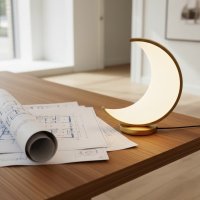
Bedtime can be a magical time, filled with stories and cuddles, but for many children and parents, it can also be a nightly struggle. The transition from a busy day to the quiet solitude of night often brings with it shadows and imaginary fears. This is where a well-chosen child’s night light can make all the difference, transforming a potentially anxious experience into a comforting ritual. At Maikb.com, we understand that selecting the right night light is more than just picking a cute accessory; it’s about nurturing your child’s sense of security and promoting healthy sleep habits. As experts in sleep lighting, we’re here to guide you through making an informed choice that brings peace to your child’s room and tranquility to your home.
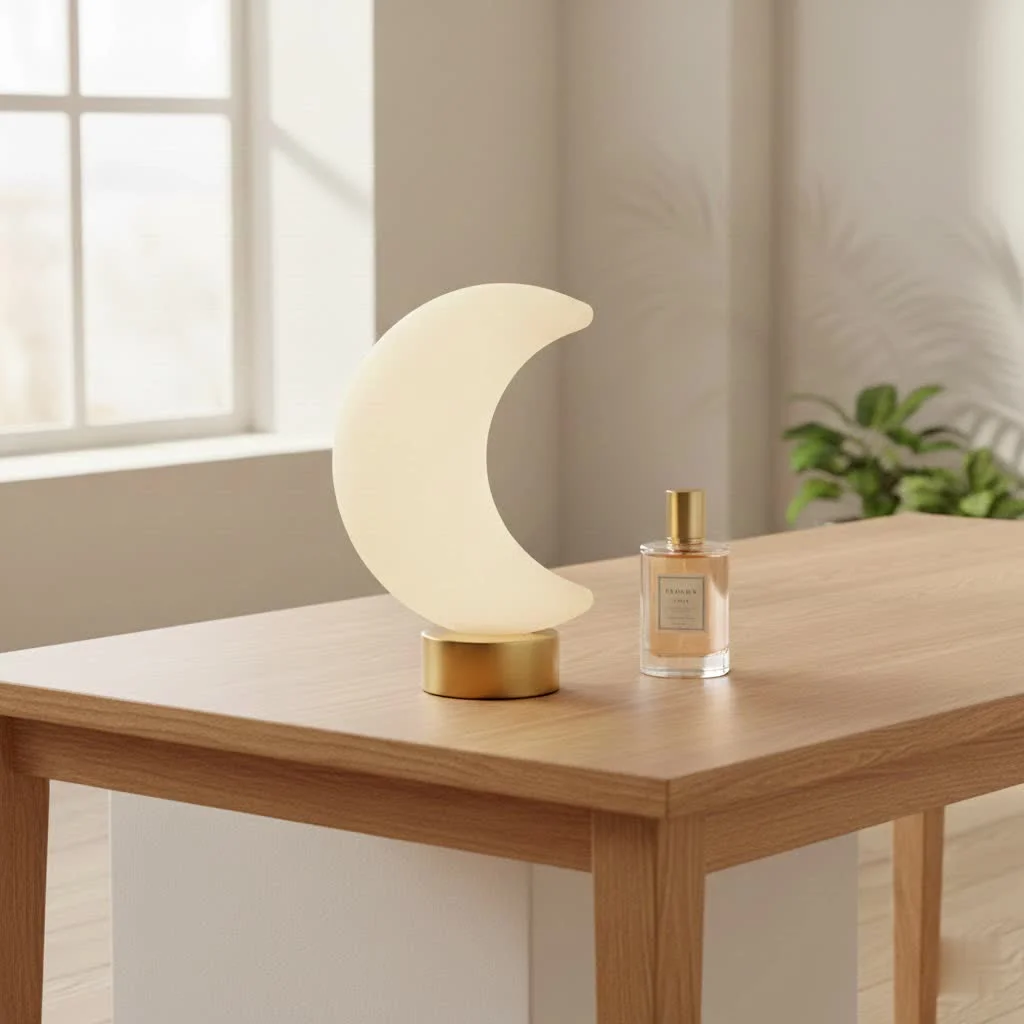
Why a Child Might Need a Night Light: Beyond Just Banishing Monsters
The reasons a child might benefit from a night light are as varied as the children themselves. Often, it’s about providing a sense of comfort and easing anxieties that naturally arise as they grow and their imaginations flourish.
Easing Fears of the Dark
For many young children, the dark can be a canvas for scary thoughts. Shadows take on monstrous forms, and familiar objects become unsettling in the absence of light. A gentle glow can dispel these perceived threats, offering a reassuring presence. It’s not about eliminating darkness entirely, but about softening its edges, making the room feel safer and more inviting.
Providing Comfort and Security
A child’s night light acts as a small, consistent beacon of familiarity. This soft illumination can create a cozy, secure environment that helps children feel less alone in their room. This sense of security is crucial for their emotional well-being and can significantly reduce bedtime resistance.
Supporting Bedtime Routines
Incorporating a night light into the bedtime routine can serve as a powerful signal. Just as a bath or a story signals the winding down process, turning on a specific, calming night light can help your child mentally prepare for sleep. This consistency reinforces the routine and helps their body recognize that it’s time to rest.
Encouraging Independent Sleep
For children who wake in the middle of the night, a subtle night light can empower them to resettle themselves. Instead of feeling disoriented and needing to call for a parent, a familiar glow can help them orient to their surroundings, fostering greater independence in their sleep journey.
Night-Time Safety and Navigation
|
Our Picks for the Best Night Light in 2026
As an Amazon Associate I earn from qualifying purchases.
|
||
| Num | Product | Action |
|---|---|---|
| 1 | L LOHAS LED Night Light,Dimmable Night Lights Plug into Wall, 2 Pack Acrylic Nightlight with 0-100 LM Adjustable Brightness, 3000K Plug in Night Light with Dusk to Dawn Sensor, for Bathroom Hallway |

|
| 2 | L LOHAS LED Red Night Lights Plug into Wall 2-Pack, 0.3W Plug in Night Light, Dusk to Dawn, Bright Nightlight Auto-On/Off, for Adults Kids Room Bedroom Bathroom Hallway Kitchen, Non-Dim |
|
| 3 | L LOHAS LED Night Lights Plug into Wall 2-Pack, 0.3W Plug in Night Light, Dusk to Dawn, 3000K Soft White, Bright Nightlight Auto-On/Off, for Adults Kids Room Bedroom Bathroom Hallway Kitchen, Non-Dim |
|
| 4 | JandCase LED Night Light, [2 Pack] Night Lights Plug into Wall with Dusk to Dawn Sensor, Dimmable Plug in Night Light, Adjustable Brightness, 3000K Soft White Nightlight for Bedroom Bathroom Hallway |
|
| 5 | L LOHAS LED Night Lights Plug into Wall 2-Pack, 0.3W Plug in Night Light, Dusk to Dawn, 2000K Amber Light, Sleep Aid Nightlight Auto-On/Off, for Adults Kids Room, Bedroom, Bathroom, Hallway, Non-Dim |
|
| 6 | L LOHAS LED Blue Night Lights Plug into Wall 2-Pack, 0.3W Plug in Night Light, Dusk to Dawn, Bright Nightlight Auto-On/Off, for Adults Kids Room Bedroom Bathroom Hallway Kitchen, Non-Dim |
|
| 7 | Uigos LED Night Light Lamp with Smart Sensor Dusk to Dawn Sensor, Daylight White, 0.5W Plug-in, 6-Pack |
|
| 8 | Neon Moon Night Light LED Sign Dimmable Acrylic Neon Light Up Signs Wall Decor for Kids Bedroom Gaming Room Man Cave |
|
| 9 | Amazon Echo Glow (newest model), Nightlight for kids, Mood light for adults, Works with Alexa |
|
| 10 | L LOHAS LED Night Lights Plug into Wall 2-Pack, 0.3W Plug in Night Light, Dusk to Dawn, 5000K Daylight White Bright Nightlight Auto-On/Off for Adults Kids Room Bedroom Bathroom Hallway Kitchen Non-Dim |
|
Night lights aren’t just for the child; they’re a practical tool for parents too. Whether you’re checking on a sleeping child, performing a midnight diaper change, or guiding a sleepy toddler to the bathroom, a dim night light allows you to navigate the room without tripping or resorting to a bright overhead light that could fully wake your child (and yourself!).
Potential Psychological Benefits
Beyond immediate comfort, some studies suggest that a gentle night light can have a positive impact on a child’s mood and even mental health by reducing feelings of stress and anxiety. When children feel safe and relaxed in their sleep environment, they are more likely to experience improved mood and overall well-being.
“A well-chosen night light isn’t just a gadget; it’s a silent guardian for your child’s peace of mind, fostering a sense of security that promotes healthier sleep and a happier morning.” – Dr. Elara Vance, Pediatric Sleep Specialist at Maikb.com.
The Science of Sleep and Light: What Parents Need to Know
While the benefits of comfort are clear, it’s essential to understand the science behind light and sleep to make the best choice for your child. Not all light is created equal when it comes to healthy sleep patterns.
Circadian Rhythm and Melatonin
Our bodies operate on an internal 24-hour clock called the circadian rhythm, which regulates our sleep-wake cycle. A key hormone in this process is melatonin, often called the “sleep hormone,” which signals to our brain that it’s time to wind down. Light plays a crucial role in regulating this rhythm. Exposure to light, especially at night, can trick our bodies into thinking it’s still daytime, disrupting melatonin production. Young children are particularly sensitive to even low levels of light.
The Problem with Blue Light
Many modern light sources, including electronic screens and some common white LED lights, emit a significant amount of blue light. This specific wavelength of light is particularly effective at suppressing melatonin production and disrupting the circadian rhythm. Introducing blue or bright white light into a child’s sleep environment can make it harder for them to fall asleep and stay asleep, potentially worsening sleep problems rather than solving them.
The Power of Warm Hues
To support healthy sleep, experts recommend choosing night lights that emit warm-toned light in the amber, red, orange, or yellow spectrum. These colors have longer wavelengths and have been shown to have the least impact on melatonin production and the circadian rhythm. Red light, in particular, is often highlighted as the most sleep-friendly option, creating a soothing atmosphere without stimulating the brain.
Brightness Matters
When it comes to night lights, less is often more. A light that is too bright can interfere with sleep just as much as blue light can. The goal is a comforting glow, not a fully illuminated room. The ideal brightness for a child’s night light typically falls between 10-20 lumens (or 4-7 watts). This level provides enough illumination for comfort and safe navigation without being disruptive. Adjustable brightness settings are incredibly useful, allowing you to customize the intensity based on your child’s specific needs and the stage of their bedtime routine.
Timing and Duration
The longer a child is exposed to light at night, the greater its potential impact on their sleep. While a night light can be beneficial, leaving it on all night might not always be the best approach for every child. Many parents find success with night lights that include timers, allowing the light to stay on for a period (e.g., 30-60 minutes) while the child falls asleep, then automatically dim or turn off completely.
Choosing the Perfect Child’s Night Light: Features to Look For
With a myriad of options available, selecting the ideal night light can feel overwhelming. Here’s a breakdown of the key features to consider:
Light Color and Brightness
- Warm Tones: Prioritize night lights that offer red, amber, orange, or soft yellow light. Avoid bright white or blue light.
- Adjustable Brightness: A must-have feature that lets you fine-tune the light level, making it brighter for quick check-ins and dimmer for sleep.
Safety First
- Non-Toxic Materials: Ensure the night light is made from child-safe, non-toxic components, especially if it’s within reach.
- Cool-Touch Surfaces: LED night lights are excellent as they produce minimal heat, preventing accidental burns for curious little hands.
- Certified Safety Standards: Look for certifications that confirm the product meets recognized safety guidelines.
Power Source and Portability
- Plug-in Night Lights: Ideal for a consistent, reliable glow in a fixed location.
- Battery-Operated/Rechargeable: Perfect for portability, allowing your child to carry it for bathroom trips or for use during travel. Silicone models are often soft and durable for small hands.
Convenience Features
- Timers: Essential for promoting healthy sleep by allowing the light to turn off after your child has fallen asleep.
- Automatic Sensors: Dusk-to-dawn sensors ensure the light only comes on when needed, conserving energy and maintaining consistent lighting.
- Remote Control/App Control: Offers convenience for parents to adjust settings without disturbing a sleeping child.
Design and Functionality
- Engaging Designs: Night lights come in countless shapes, from adorable animals and beloved characters to sleek, minimalist designs. Let your child have a say in choosing a design they love, creating a positive association with bedtime.
- Multi-functional Devices: Many modern night lights offer additional features like white noise or soothing sounds, lullabies, or star projectors. Some even act as “OK-to-wake” sleep trainers, using light cues to signal when it’s appropriate to get out of bed.
- Strategic Placement: Position the night light across the room from the bed, not directly next to it, to provide a gentle ambient glow without being in the child’s direct line of sight.
Age-Appropriate Night Light Considerations
The “best” night light can change as your child grows and develops.
- Infants (0-12 months): For very young babies, complete darkness is often recommended to help establish a strong day-night rhythm. If a light is needed for parental navigation (e.g., night feeds), choose the dimmest possible red light, positioned out of the baby’s direct line of sight.
- Toddlers (1-3 years) & Preschoolers (3-5 years): This is often when fears of the dark and an active imagination peak. A night light can be highly beneficial. Involve your child in choosing their night light to give them a sense of control over their sleep environment. Portable options are great for children who might wander at night.
- School-Aged Children (6+ years): Older children may still appreciate a night light for comfort, especially if they enjoy reading before bed. They might prefer a more sophisticated design or one with features like an alarm clock. Still, prioritize warm, dim light to protect sleep quality.
When to Introduce (or Re-evaluate) a Night Light
Deciding to introduce a night light, or re-evaluate an existing one, should be a thoughtful process.
- Legitimate Fear of Dark: If your child consistently expresses genuine distress about the dark, a night light can be a valuable tool. Be sure to distinguish real fear from a child’s attempt to gain attention. Spend time together in dim environments to help them adjust.
- Parental Safety: If you frequently need to enter your child’s room at night, a dim night light provides necessary visibility, preventing accidents for you and minimizing sleep disruption for your child.
- Involving Your Child: For older toddlers and preschoolers, letting them choose from a selection of appropriate night lights can empower them and make them more receptive to using it. This small act of autonomy can significantly reduce bedtime battles.
- Transitioning Existing Night Lights: If your child currently uses a night light that is too bright or emits blue light, don’t remove it abruptly, as this can trigger fear. Instead, gradually replace it with a dim, warm-toned, red option, ideally involving your child in the selection.
Maikb’s Top Tips for a Peaceful Night’s Sleep
As experts in sleep lighting, here are our essential recommendations for utilizing a child’s night light effectively:
- Embrace the Red/Amber Glow: Always opt for night lights that emit dim, warm light in the red or amber spectrum to best preserve melatonin production and promote sleep.
- Safety First, Always: Choose LED night lights made from non-toxic materials with cool-touch surfaces to ensure your child’s safety.
- Smart Features for Smart Sleep: Look for night lights with adjustable brightness and timers. These features offer flexibility and can be tailored to your child’s evolving sleep needs.
- Strategic Placement is Key: Position the night light across the room from your child’s bed, not right next to their head, to provide ambient light without direct exposure.
- Empower Their Choice: For toddlers and older children, involving them in choosing a night light they love can foster a positive association with bedtime.
- A Tool, Not a Cure-All: Remember that a night light is a supportive tool. If your child is experiencing significant sleep difficulties, it’s always wise to consult with a pediatrician or sleep specialist.
Frequently Asked Questions
Q: How bright should a child’s night light be?
A: An ideal child’s night light should be dim, typically between 10-20 lumens (or 4-7 watts). The goal is a soft, comforting glow that helps with navigation without interfering with melatonin production or disrupting sleep.
Q: What color night light is best for sleep?
A: Warm-toned colors like red, amber, orange, or soft yellow are best for sleep. These colors have longer wavelengths that are less likely to suppress melatonin and disrupt the circadian rhythm compared to blue or bright white light. Red light is often recommended as the most sleep-friendly option.
Q: Can night lights disrupt a child’s sleep?
A: Yes, night lights can disrupt a child’s sleep if they are too bright or emit blue/white light. Even dim light can affect a child’s sensitive circadian rhythm and melatonin production. Choosing a dim, warm-toned light and placing it strategically can minimize this risk.
Q: At what age should a child stop using a night light?
A: There’s no fixed age for a child to stop using a night light. It depends on individual needs and preferences. Some children outgrow their need for one as their fears of the dark subside, while others may continue to find comfort in a very dim light. The transition should be gradual and based on the child’s readiness.
Q: Are projector night lights good for kids?
A: Projector night lights can be engaging and comforting for some children, but it’s important to choose simple, calming projections rather than overly stimulating or rapidly moving patterns. Ensure the light color is warm and the brightness is dim to avoid sleep disruption.
Q: What are the safest types of night lights for children?
A: The safest types of night lights are those made with non-toxic, durable materials, feature cool-touch LED bulbs, and adhere to certified safety standards. Plug-in models offer consistent power, while rechargeable, portable silicone night lights are also popular for their safety and versatility.
Conclusion
Choosing the right child’s night light is a meaningful step towards creating a serene and supportive sleep environment for your little one. By understanding the science of light and sleep, prioritizing safety, and selecting features that align with your child’s needs, you can transform bedtime into a peaceful and secure experience. At Maikb.com, we believe that informed choices lead to better sleep, and better sleep leads to healthier, happier children. Explore the world of gentle light, embrace warm hues, and watch as your child drifts off to a world of sweet dreams. What kind of night light has made the biggest difference in your child’s room? Share your experiences and illuminate the path for other parents seeking peaceful nights!
Get our weekly buyer guide
Practical specs, not advice. Unsubscribe anytime.