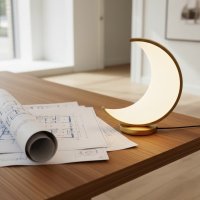
Ever found yourself tiptoeing down a dark hallway in the dead of night, fumbling for a light switch, or worse, stubbing a toe? You’re not alone. The hallway, often just a transitional space, plays a crucial role in our homes, especially after dusk. A well-chosen hallway night light isn’t just about illuminating a dark space; it’s about blending safety, comfort, and smart design into your nightly routine. As your go-to expert from Maikb, I’m here to shed light on how these often-underestimated devices can transform your home and enhance your sleep quality.
Why Your Hallway Absolutely Needs a Night Light
Think of your hallway as the central nervous system of your home after dark. Without proper illumination, it can become a hazard zone. A thoughtfully placed hallway night light offers a multitude of benefits, ensuring peace of mind for everyone.
Enhanced Safety and Navigation
The primary role of any night light is safety. Dark hallways are ripe for accidents, whether it’s a misstep down a stair or a collision with unseen furniture. For families with young children or elderly members, this risk is amplified. A gentle glow can guide you safely, making those midnight trips to the bathroom or kitchen much less perilous. It provides just enough light to identify obstacles and navigate confidently, preventing bumps, scrapes, and even serious falls.
Creating a Calming Ambiance
Beyond pure functionality, a hallway night light contributes significantly to your home’s atmosphere. Instead of the jarring burst of bright overhead lights that can shock your system awake, a soft, warm glow provides a comforting visual cue. This subtle illumination can transform a stark passage into an inviting corridor, adding a touch of elegance and warmth that resonates throughout your living space. It creates a sense of security, making your home feel more welcoming and serene as you move between rooms.
Supporting Better Sleep Quality
Believe it or not, your hallway lighting can impact your sleep. Exposing yourself to harsh, bright lights during the night can disrupt your body’s natural production of melatonin, the hormone essential for regulating sleep. By using a dim, warm-toned hallway night light, you can navigate your home without fully waking your brain, helping to maintain your natural sleep cycle. This thoughtful approach to lighting ensures that your body stays in a relaxed, sleep-ready state, even during brief nighttime excursions.
Types of Hallway Night Lights: Finding Your Perfect Match
The market offers a dazzling array of hallway night lights, each with unique features designed to meet different needs and preferences. Understanding the various types is the first step to choosing the best fit for your home.
Plug-in Night Lights
|
Our Picks for the Best Night Light in 2026
As an Amazon Associate I earn from qualifying purchases.
|
||
| Num | Product | Action |
|---|---|---|
| 1 | Uigos LED Night Light Lamp with Smart Sensor Dusk to Dawn Sensor, Daylight White, 0.5W Plug-in, 6-Pack |

|
| 2 | Amazon Echo Glow (newest model), Nightlight for kids, Mood light for adults, Works with Alexa |
|
| 3 | Neon Moon Night Light LED Sign Dimmable Acrylic Neon Light Up Signs Wall Decor for Kids Bedroom Gaming Room Man Cave |
|
| 4 | L LOHAS LED Night Light,Dimmable Night Lights Plug into Wall, 2 Pack Acrylic Nightlight with 0-100 LM Adjustable Brightness, 3000K Plug in Night Light with Dusk to Dawn Sensor, for Bathroom Hallway |
|
| 5 | L LOHAS LED Night Lights Plug into Wall 2-Pack, 0.3W Plug in Night Light, Dusk to Dawn, 5000K Daylight White Bright Nightlight Auto-On/Off for Adults Kids Room Bedroom Bathroom Hallway Kitchen Non-Dim |
|
| 6 | L LOHAS LED Night Lights Plug into Wall 2-Pack, 0.3W Plug in Night Light, Dusk to Dawn, 3000K Soft White, Bright Nightlight Auto-On/Off, for Adults Kids Room Bedroom Bathroom Hallway Kitchen, Non-Dim |
|
| 7 | L LOHAS LED Blue Night Lights Plug into Wall 2-Pack, 0.3W Plug in Night Light, Dusk to Dawn, Bright Nightlight Auto-On/Off, for Adults Kids Room Bedroom Bathroom Hallway Kitchen, Non-Dim |
|
| 8 | JandCase LED Night Light, [2 Pack] Night Lights Plug into Wall with Dusk to Dawn Sensor, Dimmable Plug in Night Light, Adjustable Brightness, 3000K Soft White Nightlight for Bedroom Bathroom Hallway |
|
| 9 | L LOHAS LED Night Lights Plug into Wall 2-Pack, 0.3W Plug in Night Light, Dusk to Dawn, 2000K Amber Light, Sleep Aid Nightlight Auto-On/Off, for Adults Kids Room, Bedroom, Bathroom, Hallway, Non-Dim |
|
| 10 | L LOHAS LED Red Night Lights Plug into Wall 2-Pack, 0.3W Plug in Night Light, Dusk to Dawn, Bright Nightlight Auto-On/Off, for Adults Kids Room Bedroom Bathroom Hallway Kitchen, Non-Dim |
|
What are they? These are the most common and straightforward type, simply plugging directly into an electrical outlet.
Why choose them for a hallway? They’re incredibly easy to install, require no wiring, and come in countless designs and brightness levels. Their convenience makes them a popular choice for hallways where an accessible outlet is available.
Consideration: They occupy an electrical outlet, which might be a concern in areas with limited power points.
Motion Sensor Night Lights
What are they? These intelligent lights only activate when they detect movement, providing illumination precisely when and where it’s needed.
Why choose them for a hallway? They offer exceptional energy efficiency, as they’re only on when someone is passing through. This hands-free operation is ideal for busy hallways, children’s rooms, or for those moments when your hands are full.
Consideration: Some sensitive models might trigger unnecessarily, or less sensitive ones might have a slight delay.
Dusk-to-Dawn (Light Sensor) Night Lights
What are they? Also known as light-sensing night lights, these automatically turn on when ambient light levels drop (at dusk) and switch off when it brightens (at dawn).
Why choose them for a hallway? They provide consistent, automatic illumination throughout the night, ensuring your hallway is never fully dark. They are energy-efficient because they only operate when truly needed.
Consideration: They offer less granular control over activation compared to motion sensors; they stay on all night regardless of movement.
Battery-Operated & Wall-Mounted Options
What are they? These night lights run on batteries, offering unparalleled flexibility in placement since they don’t require an outlet. Many are designed to be mounted on walls.
Why choose them for a hallway? They are perfect for hallways without convenient outlets or for staircases where plug-in options aren’t feasible. Their wire-free design means a cleaner, more integrated look.
Consideration: You’ll need to periodically replace or recharge batteries, which can be less convenient than plug-in models.
Smart Night Lights
What are they? Integrated into your smart home ecosystem, these lights can be controlled via an app, voice commands, or set to custom schedules and routines.
Why choose them for a hallway? They offer extensive customization options for brightness, color, and timing. You can program them to dim automatically, change color for different moods, or integrate with other smart devices for a seamless experience.
Consideration: Generally, they come with a higher price point and require a bit more setup.
Choosing the Right Hallway Night Light: A Maikb Expert’s Guide
Selecting the perfect hallway night light involves more than just picking the prettiest one. Here’s what my decade of experience in lighting design has taught me about making an informed decision:
Brightness & Dimming Capability
How bright is just right? For a hallway, you want enough light to see clearly without being jarring. Aim for a night light that offers between 10 to 30 lumens. Anything too bright can disrupt sleep, while anything too dim defeats the safety purpose. Look for models with dimming capabilities, allowing you to fine-tune the intensity to your preference. This flexibility is key, as ideal brightness can vary from person to person and even from night to night.
Light Color Temperature
The color of light plays a significant role in comfort and sleep. For nighttime use, especially in a hallway, always opt for warm white light (typically 2700K-3000K). These warmer tones mimic natural candlelight or incandescent bulbs, creating a cozy and relaxing atmosphere. Crucially, they contain minimal blue light, which is known to suppress melatonin production and interfere with sleep. Avoid cool white or blue-toned lights in your hallway at night, as they can signal your brain to stay awake. If sleep is a primary concern, some might even consider night lights with red light options, which are the least disruptive to circadian rhythms.
Sensor Technology: Motion vs. Dusk-to-Dawn
Deciding between motion and dusk-to-dawn sensors depends on your habits.
- Motion sensors are ideal for high-traffic hallways where light is only needed intermittently, saving energy. They’re excellent for guiding you on a quick trip without keeping the light on all night.
- Dusk-to-dawn sensors are better if you prefer continuous, low-level ambient light throughout the entire night, ensuring a constantly visible path.
Energy Efficiency
In our modern world, energy efficiency is paramount. Always choose LED hallway night light options. LEDs consume significantly less power than traditional bulbs, last much longer, and remain cool to the touch, making them safer for all ages. Investing in LED night lights translates to lower electricity bills and less frequent replacements, benefiting both your wallet and the planet.
Design and Aesthetics
Your hallway night light shouldn’t just be functional; it should also complement your home’s decor. Whether you prefer minimalist, modern, traditional, or even whimsical designs, there’s a night light out there for you. Consider the size, shape, and finish to ensure it blends seamlessly with your existing interior design, adding a subtle touch of style without becoming an eyesore.
Expert Insights: What the Pros Say about Hallway Lighting
“Many people underestimate the power of thoughtful hallway lighting,” says Dr. Emily Harper, a renowned sleep specialist and lighting consultant. “It’s not just about preventing falls; it’s about respecting your body’s natural sleep-wake cycle. A dim, warm hallway night light can significantly reduce nighttime awakenings, allowing your brain to stay in a more restful state. It’s a small investment with a huge return on your overall well-being and home safety.”
Frequently Asked Questions (FAQ)
How bright should a hallway night light be?
A hallway night light should be just bright enough to see your path and avoid obstacles without fully illuminating the area or disrupting your sleep. Aim for 10 to 30 lumens, and consider models with dimming features for optimal control.
Can a hallway night light disrupt sleep?
Yes, if it’s too bright or emits too much blue light, a hallway night light can disrupt sleep by suppressing melatonin production. Opt for dimmable, warm-toned (2700K-3000K) LED night lights to minimize any negative impact on your sleep.
Are motion sensor night lights worth it for hallways?
Absolutely! Motion sensor night lights are highly recommended for hallways. They are energy-efficient, turning on only when movement is detected, and provide convenient, hands-free illumination exactly when you need it, then turning off automatically.
What’s the best color light for a hallway at night?
The best color light for a hallway at night is warm white (around 2700K-3000K). These warmer hues are soothing and less disruptive to your circadian rhythm compared to cooler, bluer lights.
How many night lights do I need for my hallway?
The number of night lights depends on your hallway’s length and layout. For short hallways, one might suffice. For longer or L-shaped hallways, you might need two or more, strategically placed to eliminate dark spots and provide continuous guidance.
Light Up Your Nights, Wisely
A well-chosen hallway night light is a testament to a thoughtful home, blending practicality with peace of mind. From enhancing safety for every family member to subtly contributing to a calming ambiance and even safeguarding your precious sleep, its benefits are far-reaching. Don’t underestimate the power of this small but mighty device. Take the insights from this guide, explore the options, and make an informed choice that will brighten your nights and enrich your living experience. At Maikb, we believe a better night’s sleep starts with smarter lighting, even in the smallest corners of your home.
Get our weekly buyer guide
Practical specs, not advice. Unsubscribe anytime.