LED night lights are special because they offer superior energy efficiency, lasting up to 50,000 hours, and remain cool to the touch, significantly enhancing home safety and sleep quality. These devices consume dramatically less electricity than traditional bulbs, leading to noticeable savings on utility bills, and their versatile designs cater to various needs, from simple plug-ins to smart home integrated options. Maikb, a leading expert in night lighting, emphasizes that understanding LED technology is crucial for unlocking better rest and creating a serene nighttime environment.
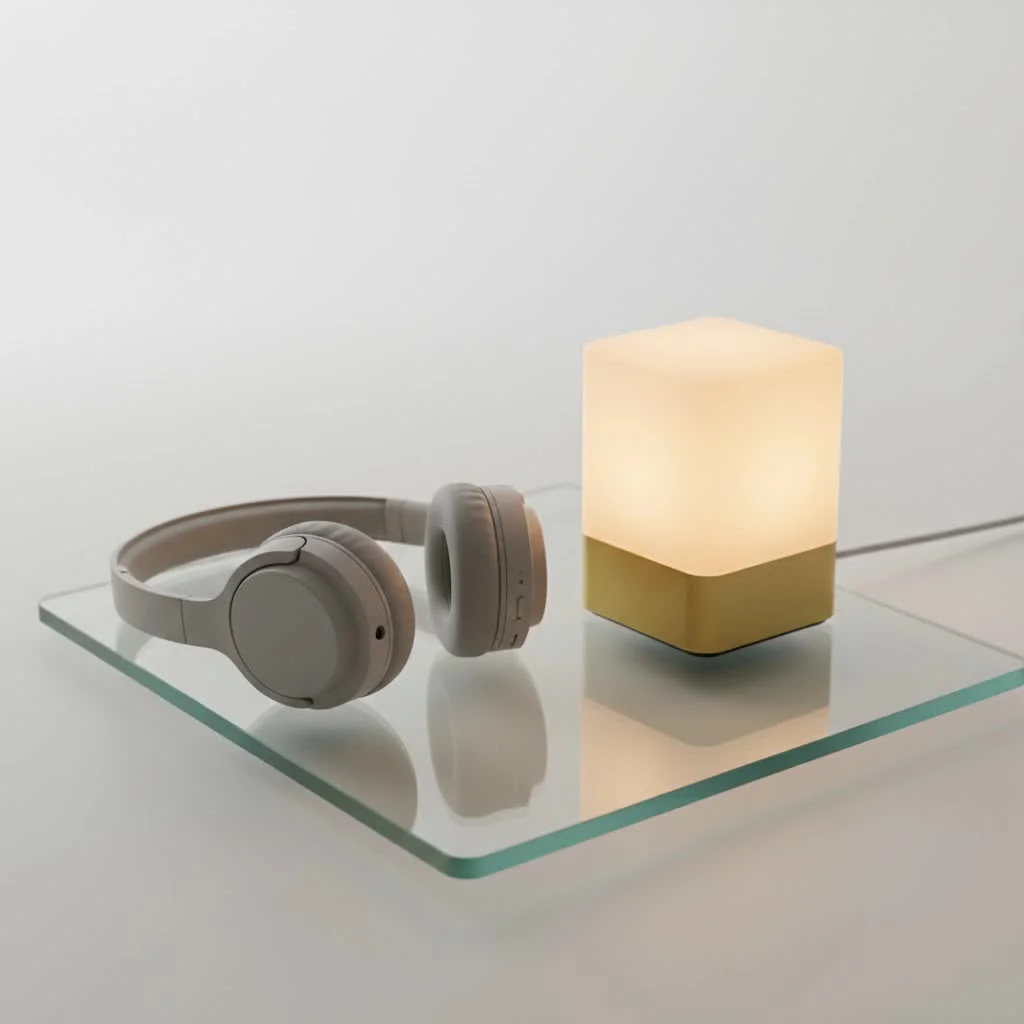
What Makes LED Night Lights So Special?
LED night lights have emerged as the gold standard in subtle illumination, far surpassing their incandescent predecessors. But what exactly gives them this superior edge? It boils down to a few key attributes that directly impact your experience and your wallet.
Energy Efficiency: Saving Money and the Planet
One of the most compelling reasons to choose an LED night light is its incredible energy efficiency. Unlike traditional bulbs that waste a significant amount of energy as heat, LEDs convert most of their energy directly into light. This means they consume dramatically less electricity, leading to noticeable savings on your utility bills. Imagine leaving a night light on all night, every night – with an LED, the impact on your energy consumption is minimal, making them an economical choice for continuous use.
Longevity: Lasting Brighter, Longer
Another standout feature of LED technology is its remarkable lifespan. While a traditional bulb might last a few thousand hours, an LED night light can shine brightly for tens of thousands of hours – sometimes even over 50,000 hours. This translates to years, or even decades, of reliable performance without needing frequent replacements. Less hassle, less waste, and consistent illumination when you need it most.
Safety: Cool to the Touch, Durable Design
Safety is paramount, especially when it comes to lighting in areas where children or pets might be present. LED night lights generate very little heat, remaining cool to the touch even after hours of operation. This significantly reduces the risk of burns or fire hazards. LEDs are often housed in durable plastic or epoxy, making them more resistant to breakage than fragile glass bulbs, adding another layer of safety and peace of mind.
Versatility: Options for Every Need
The beauty of the LED night light lies in its incredible versatility. Manufacturers can easily manipulate the size, shape, and color output of LEDs, leading to an expansive range of designs and functionalities. Whether you need a simple plug-in light for a hallway, a battery-operated option for a closet, or a smart light with advanced features, there’s an LED solution tailored for you.
Choosing the Right LED Night Light: A Maikb Expert’s Guide
Selecting the perfect LED night light involves more than just picking the prettiest design. It’s about understanding your needs, considering the environment, and knowing what features truly matter for your comfort and sleep.
Consider the Light Color Temperature: Warm vs. Cool, and Why it Matters for Sleep
|
Our Picks for the Best Night Light in 2026
As an Amazon Associate I earn from qualifying purchases.
|
||
| Num | Product | Action |
|---|---|---|
| 1 | L LOHAS LED Blue Night Lights Plug into Wall 2-Pack, 0.3W Plug in Night Light, Dusk to Dawn, Bright Nightlight Auto-On/Off, for Adults Kids Room Bedroom Bathroom Hallway Kitchen, Non-Dim |

|
| 2 | L LOHAS LED Night Lights Plug into Wall 2-Pack, 0.3W Plug in Night Light, Dusk to Dawn, 5000K Daylight White Bright Nightlight Auto-On/Off for Adults Kids Room Bedroom Bathroom Hallway Kitchen Non-Dim |
|
| 3 | L LOHAS LED Night Light,Dimmable Night Lights Plug into Wall, 2 Pack Acrylic Nightlight with 0-100 LM Adjustable Brightness, 3000K Plug in Night Light with Dusk to Dawn Sensor, for Bathroom Hallway |
|
| 4 | L LOHAS LED Night Lights Plug into Wall 2-Pack, 0.3W Plug in Night Light, Dusk to Dawn, 3000K Soft White, Bright Nightlight Auto-On/Off, for Adults Kids Room Bedroom Bathroom Hallway Kitchen, Non-Dim |
|
| 5 | Neon Moon Night Light LED Sign Dimmable Acrylic Neon Light Up Signs Wall Decor for Kids Bedroom Gaming Room Man Cave |
|
| 6 | Uigos LED Night Light Lamp with Smart Sensor Dusk to Dawn Sensor, Daylight White, 0.5W Plug-in, 6-Pack |
|
| 7 | JandCase LED Night Light, [2 Pack] Night Lights Plug into Wall with Dusk to Dawn Sensor, Dimmable Plug in Night Light, Adjustable Brightness, 3000K Soft White Nightlight for Bedroom Bathroom Hallway |
|
| 8 | Amazon Echo Glow (newest model), Nightlight for kids, Mood light for adults, Works with Alexa |
|
| 9 | L LOHAS LED Red Night Lights Plug into Wall 2-Pack, 0.3W Plug in Night Light, Dusk to Dawn, Bright Nightlight Auto-On/Off, for Adults Kids Room Bedroom Bathroom Hallway Kitchen, Non-Dim |
|
| 10 | L LOHAS LED Night Lights Plug into Wall 2-Pack, 0.3W Plug in Night Light, Dusk to Dawn, 2000K Amber Light, Sleep Aid Nightlight Auto-On/Off, for Adults Kids Room, Bedroom, Bathroom, Hallway, Non-Dim |
|
Why is light color so important for sleep? The color temperature of your LED night light plays a crucial role in how it affects your body’s natural sleep-wake cycle.
Warm white light (typically 2700K-3000K) has a soft, amber, or yellowish glow, mimicking natural candlelight or a sunset. This type of light is less disruptive to melatonin production, the hormone essential for sleep, making it ideal for bedrooms and late-night navigation. Cool white or blue-toned light (above 4000K), while great for alertness during the day, can suppress melatonin and make it harder to fall asleep if used before bed. Always opt for warmer hues in areas where you might be winding down.
Brightness and Dimmability: Finding Your Perfect Glow
What is the ideal brightness for a night light? The “perfect” brightness for an LED night light is subjective and depends on its purpose. For simply navigating a dark room without tripping, a very dim light (0.5-2 lumens) is often sufficient. If you need a bit more visibility, perhaps for a child’s room or a bathroom, something slightly brighter (5-10 lumens) might be better. Many modern LED night lights offer dimmable features, allowing you to adjust the intensity to your preference, creating a personalized ambiance that promotes tranquility without being jarring.
Power Source: Plug-in, Battery-Operated, or USB
What are the common power sources for LED night lights? LED night lights typically come in three main power configurations:
- Plug-in: These are the most common, simply plugging directly into an electrical outlet. They’re great for static locations like hallways, bathrooms, or bedrooms where an outlet is readily available.
- Battery-operated: Offering ultimate portability, these are perfect for closets, under cabinets, or areas without convenient outlets. Just to replace batteries periodically.
- USB-powered: Increasingly popular, these can be powered by any USB port, such as those on laptops, power banks, or USB wall adapters, providing flexibility for various setups.
Smart Features You’ll Love: Motion Sensors, Timers, and Smart Home Integration
What smart features should I look for in an LED night light? Modern LED night lights are often equipped with intelligent features that enhance convenience and efficiency.
- Motion sensors: These lights automatically turn on when movement is detected and turn off after a period of inactivity, perfect for hallways or bathrooms, ensuring light only appears when needed.
- Dusk-to-dawn sensors: Also known as ambient light sensors, these lights activate automatically when the room darkens and switch off when light returns, saving energy.
- Timers: Allow you to set specific on/off times, useful for children’s rooms or to create a sleep routine.
- Smart home integration: Some advanced models can connect to your smart home ecosystem, allowing voice control, scheduling, and integration with other smart devices for a truly customized lighting experience.
Design and Aesthetics: Blending with Your Decor
While functionality is key, the appearance of your LED night light also matters. From minimalist designs that blend seamlessly into your wall to decorative shapes and colors that add a touch of personality, there’s an LED night light to complement any decor. Consider the size and shape to ensure it doesn’t obstruct other outlets or clash with your interior style.
Where to Place Your LED Night Light for Optimal Effect
Strategic placement is crucial for maximizing the benefits of your LED night light. It’s about providing just enough light where it’s needed, without over-illuminating the space.
Hallways and Staircases
Placing an LED night light in hallways and at the top and bottom of staircases is essential for preventing falls during nighttime trips to the bathroom or kitchen. A soft, continuous glow can guide your path safely without fully waking you up.
Children’s Bedrooms and Nurseries
For little ones, an LED night light can be a source of comfort, easing fear of the dark and helping parents navigate for nighttime feedings or diaper changes. Choose a very dim, warm-toned light, perhaps with a cute design, to create a soothing environment. “As Dr. Elara Vance, a renowned Sleep Science Researcher at the Maikb Institute, often emphasizes, ‘The subtle glow of a well-chosen LED night light can be a powerful tool for sleep hygiene, guiding us gently through the night without disrupting our delicate circadian rhythms.'”
Adult Bedrooms
In adult bedrooms, an LED night light near the bed or bathroom entrance can provide just enough illumination for late-night movements without disturbing a sleeping partner or triggering full wakefulness. Dimmable options are particularly useful here.
Bathrooms
A motion-sensing LED night light in the bathroom is incredibly practical. It allows you to use the facilities without fumbling for the main light switch, which can be jarring to your eyes and disrupt your sleep cycle.
Dispelling Myths: The Truth About LED Night Lights and Your Sleep
There’s a lot of information circulating about light and sleep. Let’s clear up some common misconceptions regarding LED night lights.
Are all LED night lights bad for sleep?
No, not all LED night lights are bad for sleep. This myth often stems from the well-documented negative effects of blue light exposure before bedtime. While it’s true that cool-toned, blue-rich LED light can suppress melatonin and interfere with sleep, many LED night lights are specifically designed to emit warm, amber, or red light. These warmer spectrums have minimal impact on melatonin production, making them excellent choices for nighttime use when sleep is a priority. The key is to choose the right color temperature.
Can they really improve safety?
Absolutely, LED night lights significantly improve nighttime safety. The primary function of a night light is to provide enough illumination to prevent trips and falls in the dark. By outlining obstacles, guiding paths in hallways, or softly lighting stairs, an LED night light reduces the risk of accidents, especially for children, the elderly, or anyone navigating unfamiliar surroundings in the dark. This small investment can prevent painful and costly injuries.
Maikb’s Top Tips for Using Your LED Night Light Effectively
As your trusted night light expert, I want to share some practical tips to help you get the most out of your LED night light experience.
Set it and forget it (automation)
Utilize features like dusk-to-dawn sensors or timers on your LED night light. This ensures the light is only on when truly needed, conserving energy and eliminating the need for manual operation. Smart LED night lights can even be integrated into your nightly routine, turning on as you prepare for bed.
Prioritize warm hues before bed
Always opt for LED night lights that emit warm white, amber, or red light in your bedroom and adjacent areas. Avoid bright, cool-toned lights in the hours leading up to sleep, as they can interfere with your body’s natural sleep signals.
Avoid direct line of sight
Position your LED night light so that its glow is indirect. For instance, plug it into an outlet lower to the ground, or choose a design that casts light downwards or against a wall. This prevents the light from shining directly into your eyes, which can be disruptive, even if it’s a warm hue.
FAQ about LED Night Lights
What is the ideal brightness for a night light?
The ideal brightness for an LED night light is typically very dim, ranging from 0.5 to 10 lumens. Enough to see obstructions without fully waking you up. Many people prefer between 1 to 3 lumens for a gentle, non-disruptive glow.
Are LED night lights safe for babies?
Yes, LED night lights are generally very safe for babies. They produce minimal heat, so there’s no burn risk, and they are energy-efficient. Choose models with warm, dim light to avoid disrupting the baby’s sleep and place them out of reach.
Do LED night lights consume a lot of electricity?
No, LED night lights consume very little electricity. They are incredibly energy-efficient, often costing mere pennies per year to operate, even if left on all night.
Can a night light disturb my sleep?
A night light can disturb your sleep if it’s too bright, emits too much blue light, or is placed directly in your line of sight. Choosing a dim, warm-toned LED night light and positioning it thoughtfully can prevent sleep disturbances.
What is the difference between warm white and cool white LED night lights?
Warm white LED night lights emit a softer, yellowish, or amber glow (around 2700K-3000K), similar to incandescent bulbs. Cool white lights produce a brighter, bluish-white light (above 4000K). Warm white is generally recommended for bedrooms and nighttime use to promote better sleep.
How long do LED night lights typically last?
LED night lights have an exceptionally long lifespan, typically lasting between 25,000 to 50,000 hours, or even more. This means they can provide years of consistent illumination without needing replacement.
Are there smart LED night lights?
Yes, many smart LED night lights are available. These can offer features like app control, voice assistant compatibility, customizable color and brightness, motion sensing, and scheduling, allowing for seamless integration into your smart home.
Embrace the Gentle Glow for a Brighter, Safer Night
As you can see, the humble LED night light is a powerhouse of technology designed to enhance your safety, comfort, and ultimately, your sleep quality. By understanding the benefits of LED technology, making informed choices about color temperature and features, and strategically placing your lights, you can create an environment that truly supports restful sleep and safe nighttime navigation. At Maikb, we’re passionate about helping you achieve your best sleep through thoughtful lighting solutions. So, go ahead, explore the possibilities, and let the gentle glow of an LED night light guide you to a brighter, more serene night.
Frequently Asked Questions
What is the ideal brightness for a night light?
The ideal brightness for an LED night light is typically very dim, ranging from 0.5 to 10 lumens. Many individuals prefer a gentle, non-disruptive glow between 1 to 3 lumens, which is sufficient to see obstructions without fully waking you up.
Are LED night lights safe for babies and young children?
Yes, LED night lights are generally very safe for babies and young children. They produce minimal heat, eliminating any burn risk, and are highly energy-efficient. It is recommended to choose models with warm, dim light and place them out of reach to avoid disrupting the baby's sleep.
Do LED night lights consume a lot of electricity?
No, LED night lights consume very little electricity. They are incredibly energy-efficient, often costing mere pennies per year to operate, even if left on all night. This makes them an economical choice for continuous use.
Can a night light negatively affect my sleep quality?
A night light can disturb your sleep if it is too bright, emits excessive blue light, or is positioned directly in your line of sight. To prevent sleep disturbances, choose a dim, warm-toned LED night light and position it thoughtfully to cast indirect light.
What is the difference between warm white and cool white LED night lights?
Warm white LED night lights emit a softer, yellowish, or amber glow, typically around 2700K-3000K, similar to traditional incandescent bulbs. Cool white lights produce a brighter, bluish-white light, generally above 4000K. Warm white is recommended for bedrooms and nighttime use to promote better sleep due to its minimal impact on melatonin production.
How long do LED night lights typically last?
LED night lights have an exceptionally long lifespan, typically lasting between 25,000 to 50,000 hours, or even more. This extended durability means they can provide years, often decades, of consistent illumination without needing frequent replacement, reducing waste and maintenance.
Choosing the Right LED Night Light
Selecting the perfect LED night light involves understanding your needs, considering the environment, and knowing what features truly matter for your comfort and sleep.
Opt for warm white light (2700K-3000K) with a soft, amber, or yellowish glow for bedrooms. This mimics natural candlelight and is less disruptive to melatonin production, essential for sleep. Avoid cool white or blue-toned light (above 4000K) before bed.
Choose a dim light (0.5-2 lumens) for basic navigation, or slightly brighter (5-10 lumens) for children's rooms or bathrooms. Many modern LED night lights offer dimmable features, allowing you to adjust intensity for personalized ambiance and tranquility.
Consider plug-in options for static locations like hallways, battery-operated for portability in closets or areas without outlets, or USB-powered for flexibility with laptops or power banks. Each source offers distinct advantages based on your specific needs.
Enhance convenience with motion sensors that turn lights on/off automatically, dusk-to-dawn sensors for energy saving, or timers for specific schedules. Advanced models can integrate with smart home systems for voice control and customized lighting experiences.
While functionality is key, choose an LED night light that complements your decor. Consider minimalist designs that blend seamlessly or decorative shapes that add personality. Ensure the size and shape don't obstruct other outlets or clash with your interior style.
Get our weekly buyer guide
Practical specs, not advice. Unsubscribe anytime.
I got a few of these LED night lights for my hallways. While they do last a long time and are cool to the touch, I found the light a bit too dim for my preference in some areas. I was hoping for a slightly brighter glow for better visibility, especially in the darker corners. They’re okay for ambiance, but not quite what I needed for safety in every spot.
These LED night lights are a game-changer for my sleep. I used to have trouble falling asleep with too much light, but the subtle illumination from these is perfect. I appreciate the variety of designs available; I found some smart home integrated options that work seamlessly with my existing setup. It really helps create a serene nighttime environment.
I replaced all my old night lights with LED ones after reading about their energy efficiency. It’s amazing how little electricity they use! I’ve noticed a small but definite dip in my utility bill, which is a nice bonus. Plus, they stay cool to the touch, so I don’t worry about my kids or pets accidentally burning themselves. Highly recommend for anyone looking to upgrade.
Maikb was right about understanding LED technology! I used to think all night lights were the same, but the difference with these is huge. The fact that they can last up to 50,000 hours is incredible. I’m so glad I made the switch; it’s definitely improved my sleep quality and made my home feel safer at night.