There’s a quiet magic to the night, a stillness that invites rest. Yet, for many, the profound darkness can sometimes feel intimidating, leading us to seek a subtle source of comfort. This is where the humble night light steps in, transforming from a simple childhood accessory into a sophisticated tool for enhancing sleep environments for people of all ages. But beyond its comforting glow, what role does a night light truly play in our nightly routines, and how can we choose one that genuinely supports our well-being?
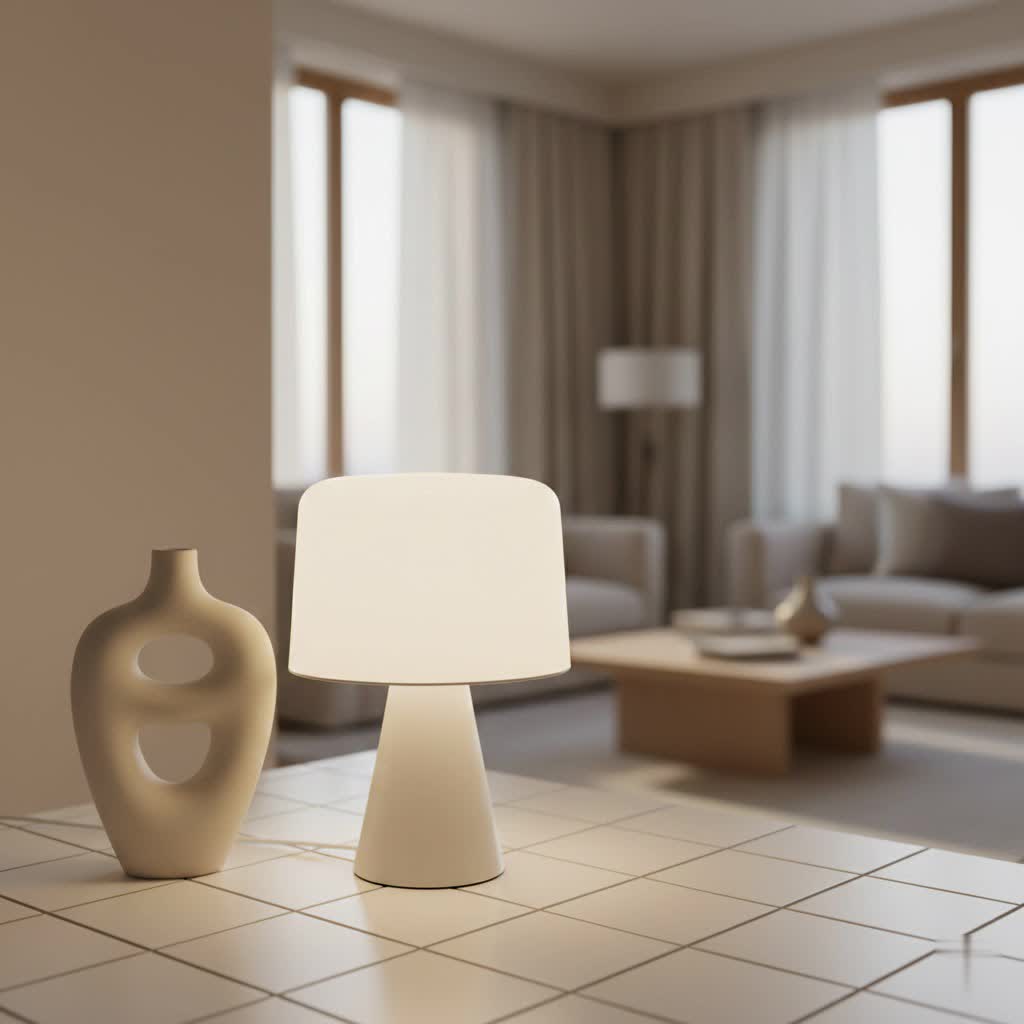
As experts in sleep lighting, we at Maikb understand that the right night light isn’t just about illuminating a room; it’s about crafting an atmosphere that nurtures rest, reduces anxiety, and respects our body’s natural rhythms. Let’s shed some light on how to harness the power of “the night light” to transform your evenings and awaken to brighter mornings.
More Than Just a Childhood Comfort: Why Adults Use Night Lights Too
When you hear “night light,” images of whimsical animal shapes in a child’s bedroom might immediately come to mind. However, the benefits of a gentle, low-level light extend far beyond the nursery, offering significant advantages for adults seeking a more serene and secure nighttime experience.
A Beacon of Security in the Dark
|
Our Picks for the Best Night Light in 2026
As an Amazon Associate I earn from qualifying purchases.
|
||
| Num | Product | Action |
|---|---|---|
| 1 | L LOHAS LED Night Lights Plug into Wall 2-Pack, 0.3W Plug in Night Light, Dusk to Dawn, 5000K Daylight White Bright Nightlight Auto-On/Off for Adults Kids Room Bedroom Bathroom Hallway Kitchen Non-Dim |

|
| 2 | L LOHAS LED Red Night Lights Plug into Wall 2-Pack, 0.3W Plug in Night Light, Dusk to Dawn, Bright Nightlight Auto-On/Off, for Adults Kids Room Bedroom Bathroom Hallway Kitchen, Non-Dim |
|
| 3 | Amazon Echo Glow (newest model), Nightlight for kids, Mood light for adults, Works with Alexa |
|
| 4 | Neon Moon Night Light LED Sign Dimmable Acrylic Neon Light Up Signs Wall Decor for Kids Bedroom Gaming Room Man Cave |
|
| 5 | L LOHAS LED Night Lights Plug into Wall 2-Pack, 0.3W Plug in Night Light, Dusk to Dawn, 3000K Soft White, Bright Nightlight Auto-On/Off, for Adults Kids Room Bedroom Bathroom Hallway Kitchen, Non-Dim |
|
| 6 | JandCase LED Night Light, [2 Pack] Night Lights Plug into Wall with Dusk to Dawn Sensor, Dimmable Plug in Night Light, Adjustable Brightness, 3000K Soft White Nightlight for Bedroom Bathroom Hallway |
|
| 7 | L LOHAS LED Night Lights Plug into Wall 2-Pack, 0.3W Plug in Night Light, Dusk to Dawn, 2000K Amber Light, Sleep Aid Nightlight Auto-On/Off, for Adults Kids Room, Bedroom, Bathroom, Hallway, Non-Dim |
|
| 8 | Uigos LED Night Light Lamp with Smart Sensor Dusk to Dawn Sensor, Daylight White, 0.5W Plug-in, 6-Pack |
|
| 9 | L LOHAS LED Blue Night Lights Plug into Wall 2-Pack, 0.3W Plug in Night Light, Dusk to Dawn, Bright Nightlight Auto-On/Off, for Adults Kids Room Bedroom Bathroom Hallway Kitchen, Non-Dim |
|
| 10 | L LOHAS LED Night Light,Dimmable Night Lights Plug into Wall, 2 Pack Acrylic Nightlight with 0-100 LM Adjustable Brightness, 3000K Plug in Night Light with Dusk to Dawn Sensor, for Bathroom Hallway |
|
For both children and adults, a night light can be a powerful antidote to the primal fear of the dark. That unsettling feeling of not knowing what’s in the shadows, or the brief disorientation upon waking in pitch black, can trigger anxiety. A subtle glow provides a sense of security, helping to soothe anxious minds and create a calming ambiance that makes falling asleep—and staying asleep—feel much easier. It’s about feeling safe and grounded, allowing your mind to truly unwind.
Enhanced Safety and Navigation
Beyond psychological comfort, night lights offer a highly practical benefit: enhanced safety. Imagine a middle-of-the-night trip to the bathroom or kitchen. Navigating in complete darkness often leads to stubbed toes, bumped shins, or worse. A strategically placed night light provides just enough illumination to help you safely move through your home, reducing the risk of accidents without fully waking you or disrupting your sleep cycle. This is especially valuable for parents checking on their children or for anyone needing to move about without flipping on bright overhead lights.
The Science Behind the Glow: How Night Lights Affect Your Sleep
While the comfort and convenience of night lights are clear, their impact on our biological sleep processes is a nuanced topic that requires careful consideration. The type of light we expose ourselves to, even dimly, can profoundly influence our body’s readiness for sleep.
The Melatonin Connection: What You Need to Know
At the heart of our sleep-wake cycle lies melatonin, often called the “sleep hormone.” Our bodies naturally produce melatonin as evening descends and light exposure diminishes, signaling to our brain that it’s time to rest. However, exposure to certain types of light, particularly those in the blue and white spectrum, can suppress melatonin production. This disruption can trick our brains into thinking it’s still daytime, making it harder to fall asleep, diminishing sleep quality, and potentially throwing our entire circadian rhythm out of sync. For infants and young children, whose circadian rhythms are still developing, this effect can be particularly pronounced.
The Advantage of Warm Hues: Red and Amber Light
Here’s where the science gets truly fascinating: not all light is created equal when it comes to sleep. Research indicates that warm-colored lights, specifically red and amber, have a significantly different effect on our melatonin levels compared to blue or white light. These warmer hues possess longer wavelengths that are less disruptive to our body’s internal clock.
As Dr. Elara Vance, our lead Sleep Lighting Specialist at Maikb, often emphasizes, “Choosing the right night light color is paramount. Red light, in particular, acts as a gentle embrace for your sleep cycle, allowing melatonin to flow unimpeded and guiding you towards a truly restorative night.” Red and amber lights effectively signal to your brain that evening is here, fostering relaxation without the stimulating effects of cooler light. They provide just enough visibility without hindering your natural path to slumber.
Choosing Your Perfect Night Companion: A Guide to Smart Selection
With a deeper understanding of how night lights work, let’s explore how you can select the ideal “Night The Light” for your unique needs, ensuring it enhances, rather than detracts from, your sleep sanctuary.
Color Matters Most: Embracing Red and Amber
When selecting a night light, prioritize color above all else. Red and amber lights are your best friends for sleep. These colors emit wavelengths that do not interfere with melatonin production, helping your body naturally prepare for sleep. Avoid night lights that emit white, blue, or green light, as these colors are the most disruptive to your circadian rhythm. Look for products specifically designed to filter out blue and green light, ensuring you get a pure, sleep-friendly glow.
Brightness and Dimness: Finding the Sweet Spot
The goal of a night light is gentle illumination, not bright visibility. Opt for models that offer adjustable brightness settings, allowing you to fine-tune the intensity. An ideal range for navigation without disrupting sleep is typically between 8 and 15 lumens. Too bright, and you risk negating the benefits of the color; too dim, and it may not serve its practical purpose. Many modern night lights also feature automatic sensors that detect ambient light, switching on at dusk and off at dawn, ensuring optimal illumination only when needed and conserving energy.
Types and Features: From Plug-ins to Projectors
The market offers a diverse array of night light styles, each with its own advantages:
- Plug-in Night Lights: These are the most common and simplest, plugging directly into an outlet. They are ideal for hallways, bathrooms, and bedrooms, offering a continuous low-level light.
- Bedside Night Lamps: Often incorporating warmer light bulbs, these lamps provide localized light for reading or tending to needs without disturbing a sleeping partner.
- Stick-on Night Lights: Battery-operated or rechargeable, these offer incredible versatility, allowing you to place them in unconventional spots like under beds, inside closets, or along staircases.
- Starry Night Light Projectors: While enchanting, use these with caution. If they project blue or green light, they can disrupt sleep. Seek out models that offer red or amber projections if you desire this aesthetic.
- Smart Night Lights: Many integrate with home automation systems, allowing for customizable colors, brightness, and timers via smartphone apps.
Look for additional features like motion sensors, which activate the light only when movement is detected, and energy-efficient LED bulbs that last longer and consume less power.
Strategic Placement for Maximum Benefit
Where you place your night light is almost as important as its color and brightness. Position night lights away from your direct line of sight while in bed to minimize any potential sleep disturbance. For instance, in a child’s room, place it lower on the wall rather than on a bedside table right next to their head. In bathrooms, a waterproof red light lamp can provide safe navigation without affecting your melatonin if you wake up for a brief visit. Consider hallways and stairwells for practical safety, ensuring paths are clear without over-illuminating the sleeping areas.
Expert Insights: Crafting Your Ideal Nighttime Environment
Creating a truly sleep-friendly environment involves a holistic approach, where your night light plays a supportive role within a larger strategy for optimal rest.
“Remember, a night light is a tool to support your sleep hygiene, not replace it,” advises Dr. Elara Vance. “While red and amber lights are incredibly beneficial, pairing them with consistent sleep schedules, a cool room temperature, and avoiding screens before bed will amplify their positive effects. Think of your night light as the gentle usher guiding you into a sanctuary of slumber.”
This means integrating your night light choice with other healthy sleep habits. It’s about designing a space that speaks to your body’s natural need for darkness and calm when it’s time to power down.
Your Burning Questions About Night Lights, Answered!
Are night lights bad for adults?
Not necessarily! While prolonged exposure to bright, blue-spectrum light can disrupt adult sleep, a dim, warm-colored night light (especially red or amber) can offer benefits like enhanced safety during nighttime navigation and reduced anxiety without negatively impacting melatonin production.
What color night light is best for babies?
For babies, red or amber light is strongly recommended. White, blue, or green lights can confuse a baby’s developing circadian rhythm and suppress melatonin, making it harder for them to establish healthy sleep patterns. A dim red light provides enough visibility for parents without interfering with the baby’s sleep.
How dim should a night light be?
Ideally, a night light should be just bright enough to see your surroundings without causing any glare or needing to squint. A brightness level of 8-15 lumens is often sufficient for safe navigation. Many modern night lights offer adjustable brightness, allowing you to find your personal sweet spot.
Can I use any red light bulb as a sleep aid?
Not all red light bulbs are created equal. For optimal sleep support, look for red light bulbs or night lights specifically designed to emit zero blue and green light. Many standard “red” bulbs may still contain traces of disruptive wavelengths. Choosing products explicitly marketed as “blue-light blocking” or “sleep-friendly” in red or amber is key.
Should I turn off my night light once I’m asleep?
For most adults, sleeping in complete darkness is ideal to maximize melatonin production and ensure the deepest, most restorative sleep. If you use a night light for initial comfort, consider one with a timer that can turn off after you’ve fallen asleep. However, if anxiety or safety concerns (like navigating to the bathroom) necessitate its use throughout the night, a dim red or amber light is the least disruptive option.
Illuminating Your Path to Restful Nights
The journey to optimal sleep is a deeply personal one, and “the night light,” when chosen wisely, can be a valuable ally. By understanding the profound impact of light on our biology, we can move beyond mere convenience and embrace night lights as integral components of a thoughtful, sleep-conscious lifestyle. It’s about finding that perfect balance where gentle illumination meets scientific insight, guiding you softly into the restorative embrace of the night.
At Maikb, we believe in empowering you with knowledge and tools to create a sleep environment that truly serves your well-being. Explore our resources and discover how the right night light can make all the difference in your quest for healthier, happier sleep.
