Choosing the perfect nursery night light involves selecting one that emits a warm, dim, red or amber glow, offers adjustable brightness, and integrates features like sound machines or timers to support healthy sleep patterns and ease nighttime routines. These specific light colors minimize melatonin suppression, which is crucial for infant sleep, while dimmable settings allow for customization as a child grows, ensuring both comfort and practicality for parents.
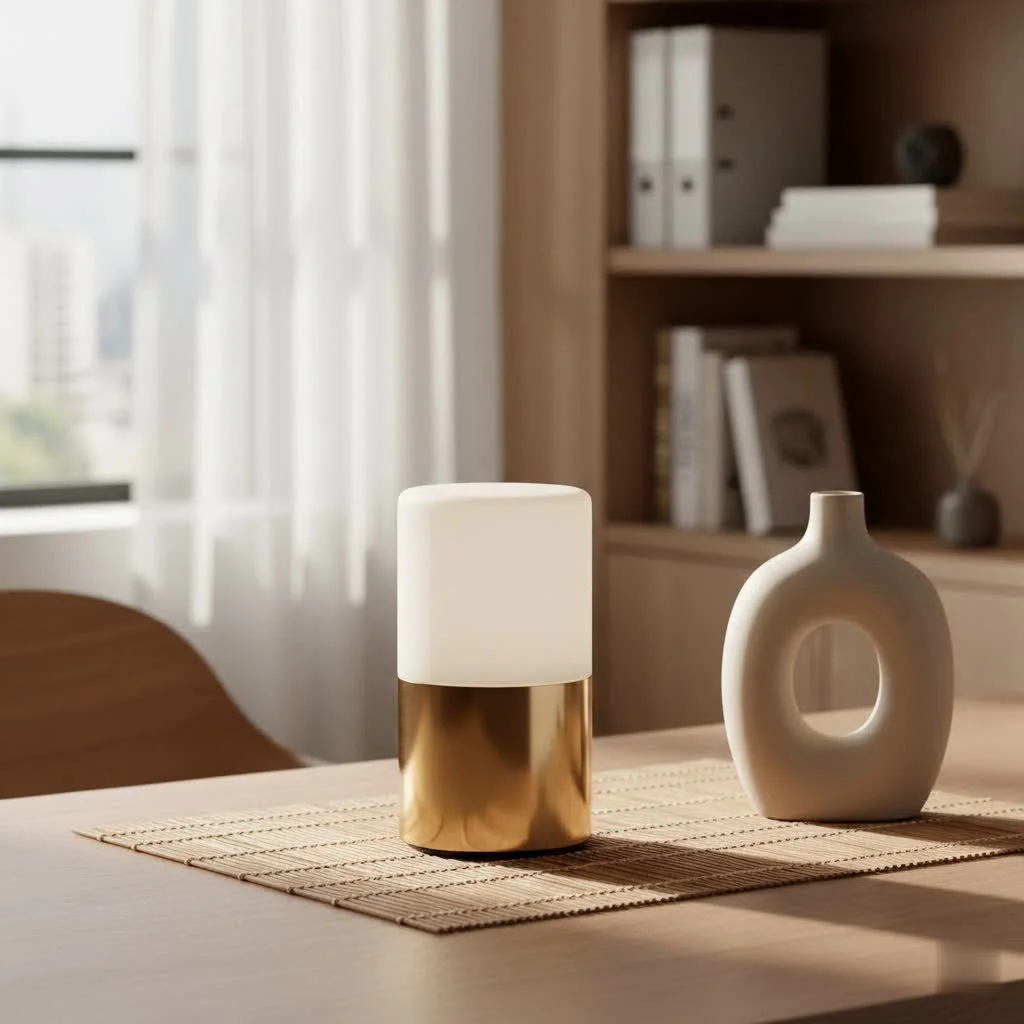
A well-chosen nursery night light is more than just a source of dim illumination; it’s an integral part of a healthy sleep environment, offering comfort, practicality, and gentle guidance through the nightLet’s examine why this small device holds such significant power.
Why a Nursery Night Light Matters for Your Little One’s Sleep
It might seem counterintuitive to introduce light into a room meant for sleep, but a thoughtfully selected nursery night light offers a multitude of benefits for both baby and parent.
Easing Fear of the Dark and Providing Security
As babies grow into toddlers, the world, especially at night, can become a little spooky. A soft, warm glow from a nursery night light can provide a sense of security and comfort, helping to alleviate any burgeoning fears of the dark. It creates a familiar presence that reassures your child, making their room feel like a safe haven even in the deepest hours of the night. This gentle illumination can be particularly helpful during developmental stages where separation anxiety or nightmares might emerge.
Facilitating Nighttime Routines: Feedings and Diaper Changes
For new parents, midnight feedings and diaper changes are a constant reality. Turning on a bright overhead light can be jarring for both you and your baby, disrupting precious sleep cycles. A dim nursery night light provides just enough visibility to navigate the room, tend to your baby’s needs, and then gently ease them back to sleep without overstimulating them. This practical benefit allows parents to move efficiently and discreetly, helping everyone get back to rest faster.
Supporting Healthy Sleep Patterns
While a completely dark room is often recommended for optimal melatonin production in infants, a carefully chosen night light can still play a supportive role in establishing healthy sleep patterns. By using it as part of a consistent bedtime routine, the soft light signals to your baby that it’s time to wind down. This can help them associate the light with comfort and sleep preparation, easing their transition into slumber. For older toddlers, certain smart night lights even incorporate “time-to-rise” features, using light cues to gently inform them when it’s acceptable to start their day, promoting independence and routine.
Decoding Light: Colors and Brightness for Baby Sleep
Not all light is created equal, especially when it comes to sleep. Understanding the impact of light color and intensity is crucial for selecting the best nursery night light.
The Melatonin Factor: Why Red and Amber are Best
|
Our Picks for the Best Night Light in 2026
As an Amazon Associate I earn from qualifying purchases.
|
||
| Num | Product | Action |
|---|---|---|
| 1 | L LOHAS LED Blue Night Lights Plug into Wall 2-Pack, 0.3W Plug in Night Light, Dusk to Dawn, Bright Nightlight Auto-On/Off, for Adults Kids Room Bedroom Bathroom Hallway Kitchen, Non-Dim |

|
| 2 | L LOHAS LED Night Lights Plug into Wall 2-Pack, 0.3W Plug in Night Light, Dusk to Dawn, 2000K Amber Light, Sleep Aid Nightlight Auto-On/Off, for Adults Kids Room, Bedroom, Bathroom, Hallway, Non-Dim |
|
| 3 | Amazon Echo Glow (newest model), Nightlight for kids, Mood light for adults, Works with Alexa |
|
| 4 | L LOHAS LED Night Light,Dimmable Night Lights Plug into Wall, 2 Pack Acrylic Nightlight with 0-100 LM Adjustable Brightness, 3000K Plug in Night Light with Dusk to Dawn Sensor, for Bathroom Hallway |
|
| 5 | L LOHAS LED Night Lights Plug into Wall 2-Pack, 0.3W Plug in Night Light, Dusk to Dawn, 3000K Soft White, Bright Nightlight Auto-On/Off, for Adults Kids Room Bedroom Bathroom Hallway Kitchen, Non-Dim |
|
| 6 | L LOHAS LED Red Night Lights Plug into Wall 2-Pack, 0.3W Plug in Night Light, Dusk to Dawn, Bright Nightlight Auto-On/Off, for Adults Kids Room Bedroom Bathroom Hallway Kitchen, Non-Dim |
|
| 7 | Neon Moon Night Light LED Sign Dimmable Acrylic Neon Light Up Signs Wall Decor for Kids Bedroom Gaming Room Man Cave |
|
| 8 | JandCase LED Night Light, [2 Pack] Night Lights Plug into Wall with Dusk to Dawn Sensor, Dimmable Plug in Night Light, Adjustable Brightness, 3000K Soft White Nightlight for Bedroom Bathroom Hallway |
|
| 9 | Uigos LED Night Light Lamp with Smart Sensor Dusk to Dawn Sensor, Daylight White, 0.5W Plug-in, 6-Pack |
|
| 10 | L LOHAS LED Night Lights Plug into Wall 2-Pack, 0.3W Plug in Night Light, Dusk to Dawn, 5000K Daylight White Bright Nightlight Auto-On/Off for Adults Kids Room Bedroom Bathroom Hallway Kitchen Non-Dim |
|
Our bodies naturally produce melatonin, a hormone vital for regulating sleep. Exposure to certain types of light, particularly blue and green wavelengths, can suppress melatonin production, making it harder to fall and stay asleep. This applies to both adults and infants.
This is why, as experts in sleep lighting, we at Maikb strongly recommend opting for a nursery night light that emits a warm, dim, red or amber glow. These colors have minimal impact on melatonin levels, acting almost like virtual darkness for the body. They provide just enough visibility for parents without interfering with your baby’s delicate sleep-wake cycle. Avoid bright white, blue, or green lights in the nursery, especially in the hours leading up to bedtime and throughout the night.
The Power of Dimmable Settings
A truly effective nursery night light should offer adjustable brightness. What might be perfect for a newborn’s delicate eyes during a late-night feed could be too dim for a toddler who needs to find their way to the potty. Dimmable settings give you complete control, allowing you to customize the light intensity to your specific needs and your child’s age, ensuring optimal comfort without disrupting sleep. “The ability to finely tune the light’s intensity is paramount,” advises Dr. Lena Sharma, a renowned pediatric sleep specialist. “It allows parents to maintain a soothing environment that adapts as their child grows, ensuring sleep is always prioritized.”
Essential Features to Look For in a Nursery Night Light
Modern nursery night lights come packed with features designed to make parenting easier and baby sleep sounder. Here are the key functionalities to prioritize:
Adjustable Brightness & Color Options
As discussed, this is a non-negotiable feature. Look for models that allow you to select from a range of warm colors (red, orange, amber) and to dim or brighten the light seamlessly. This adaptability ensures the night light grows with your child’s needs.
Sound Machine Integration
Many multifunctional nursery night lights combine gentle illumination with soothing sounds. White noise, lullabies, or nature sounds can mask household noises, create a consistent auditory environment, and further aid in calming your baby to sleep. This “two-in-one” approach simplifies your nursery setup and enhances the overall sleep experience.
Timers and Sleep Trainers
A timer function is incredibly useful, allowing the night light to automatically switch off after a set period, promoting total darkness once your baby is deeply asleep. For toddlers, “time-to-rise” features (like a light changing color to signal wake-up time) can be invaluable for teaching sleep independence and setting healthy morning boundaries.
Portability and Power Source
Consider whether you need a night light that can be moved easily. Portable, battery-operated, or USB-rechargeable options offer flexibility for travel or for moving between rooms. Plug-in models are great for a fixed, reliable light source. Silicone, cordless designs are particularly popular for being squishy, safe for little hands, and easy to clean.
Child-Friendly Design and Materials
Safety is paramount. Choose night lights made from non-toxic, durable, and child-safe materials, such as food-grade silicone. Ensure they are cool to the touch to prevent burns and have no small, detachable parts that could pose a choking hazard. Engaging shapes like animals or stars can also double as charming nursery décor.
Smart Features
For the tech-savvy parent, smart nursery night lights offer enhanced convenience. Features like app control (allowing you to adjust settings remotely from your phone), voice commands, or motion sensors (to briefly illuminate for a quick check) can simplify nighttime routines.
Safety First: Positioning and Maintenance Tips
Even the perfect nursery night light needs to be used safely and strategically to maximize its benefits and minimize any risks.
Optimal Placement
The placement of your night light is crucial. Position it where it casts a soft, diffused glow that doesn’t shine directly into your baby’s eyes or sleeping area. A corner of the room, near the changing table, or on a low shelf opposite the crib can be ideal. Ensure it’s out of reach of curious little hands and far from any bedding, curtains, or other soft furnishings to prevent fire hazards. The goal is enough light for you to see, but not enough to actively stimulate or distract your baby.
Wattage and Diffused Light
Keep the light dim. For traditional incandescent bulbs, 4-7 watts is typically sufficient. If using LED night lights, which are much more efficient, look for a very low wattage (around 1 watt) or ensure it has a diffuser or shade to soften the output. A harsh, bright glare can negate the benefits of a warm color and disturb sleep.
Regular Checks and Care
Just like any other electronic device, regularly inspect your nursery night light for signs of wear and tear. Check cords for frays, plugs for damage, and the casing for cracks. If it’s battery-operated, ensure batteries are changed promptly when dimming and disposed of responsibly. Discontinue use immediately if you notice flickering, strange noises, or any damage.
When to Turn It Off
While night lights are beneficial for nighttime tasks and comfort, aim to turn them off once your baby is sound asleep, if possible. Encouraging total darkness during deep sleep helps reinforce the body’s natural circadian rhythm and maximizes melatonin production. For toddlers with a fear of the dark, a timer can be set to turn the light off after they have drifted off, gradually transitioning them to a dark sleep environment.
Expert Insight: Balancing Darkness and Comfort
Navigating the nuances of nursery lighting can feel like a delicate balance. On one hand, studies advocate for pitch darkness to support infant melatonin production. On the other, the practical needs of parents and the emotional comfort of growing children are undeniable.
“The art of using a nursery night light lies in achieving a harmonious balance,” says Dr. Lena Sharma, a leading authority on pediatric sleep. “For newborns, absolute darkness is often preferred during sleep. However, for those crucial feeding and changing moments, a dim, red-toned light is a parent’s best friend. As children grow and fears of the dark emerge, a gentle night light can be a powerful tool for comfort, provided it emits the right kind of light and is used judiciously. It’s about empowering parents with tools that support both their child’s biological needs and their emotional well-being.”
Conclusion
A well-chosen nursery night light is a small investment that yields significant returns in peaceful nights and happy mornings. By understanding the science of light and prioritizing features like adjustable warm-toned illumination, integrated sounds, and safety, you can create a nurturing sleep environment that benefits your baby and eases your parenting journey. At Maikb, we believe informed choices lead to better sleep. We hope this guide helps you find the perfect nursery night light to usher in countless nights of sweet, undisturbed dreams for your little one.
Frequently Asked Questions
What is the best color light for a nursery night light?
The best color light for a nursery night light is a warm, dim red or amber glow. These specific wavelengths have minimal impact on melatonin production, which is crucial for maintaining healthy sleep cycles in infants and toddlers. Avoid bright white, blue, or green lights in the nursery.
How bright should a nursery night light be?
A nursery night light should be dim enough to avoid stimulating your baby but bright enough for parents to navigate the room. For traditional incandescent bulbs, 4-7 watts is typically sufficient, while LED night lights should be around 1 watt or have a diffuser. Dimmable settings are highly recommended to adjust intensity as needed.
When should I turn off the nursery night light?
Ideally, turn off the nursery night light once your baby is sound asleep to encourage total darkness during deep sleep, which reinforces natural circadian rhythms and maximizes melatonin production. For toddlers with a fear of the dark, a timer can be set to turn the light off after they have drifted off.
What features are important in a nursery night light?
Important features in a nursery night light include adjustable brightness and color options (red/amber), sound machine integration, timers or sleep trainers, portability, child-friendly design and materials (like food-grade silicone), and smart features such as app control or motion sensors. These functionalities enhance comfort and convenience.
Can a night light help with a child's fear of the dark?
Yes, a gentle night light can significantly help alleviate a child's fear of the dark by providing a sense of security and comfort. A soft, warm glow creates a familiar presence, making their room feel like a safe haven. This is particularly beneficial during developmental stages when separation anxiety or nightmares may emerge.
Choosing the Perfect Nursery Night Light
Follow these steps to select a nursery night light that promotes sweet dreams and a peaceful sleep environment for your child.
Select a night light that emits a dim, warm red or amber glow, as these colors have minimal impact on melatonin production. Ensure the light offers adjustable brightness settings to customize intensity for different needs and ages, from newborn feedings to toddler comfort.
Consider night lights with integrated sound machines (white noise, lullabies) to mask disturbances and timers or 'time-to-rise' functions for sleep training. Evaluate portability options like battery-operated or USB-rechargeable models for flexibility.
Choose night lights made from non-toxic, durable materials like food-grade silicone that are cool to the touch and free of small, detachable parts. Position the night light out of reach, casting a diffused glow away from the baby's eyes, and ensure it's away from bedding to prevent hazards.
For added ease, explore smart night lights with app control, voice commands, or motion sensors. These features allow for remote adjustments and quick checks without disturbing your child, simplifying nighttime routines for parents.
Get our weekly buyer guide
Practical specs, not advice. Unsubscribe anytime.

I tried a night light that had a sound machine built-in, hoping to consolidate devices. While the amber light was nice and didn’t seem to disturb my little one’s sleep, the sound machine part wasn’t as robust as I’d hoped. It’s okay, but I ended up still using our separate white noise machine for better coverage. It’s a decent option if you’re on a budget though.
I was really struggling with middle-of-the-night diaper changes, always fumbling around. This guide helped me pick a nursery night light with a red glow, and it’s been a game-changer. My baby stays so much calmer, and I can actually see what I’m doing without fully waking them up. Highly recommend for any new parent!
We got one of the night lights with adjustable brightness, and it’s perfect for our toddler’s room. We keep it super dim for sleep, but can bump it up a notch if they need to find their pacifier. The timer feature is also great for winding down. My only minor complaint is that the lowest setting could be even a tiny bit dimmer.
Finding a night light that wouldn’t mess with melatonin suppression was my top priority. The information here about red and amber light was super helpful. We chose a model with a very soft amber glow, and it’s made such a difference in our baby’s sleep patterns. Nighttime feedings are so much more peaceful now.