A small night light enhances home safety, comfort, and sleep quality by providing subtle illumination for navigation and creating a calming atmosphere. These compact devices are particularly beneficial for preventing falls, especially for children and the elderly, and for supporting a healthy sleep cycle by emitting warm, low-intensity light. Maikb emphasizes that selecting the right night light involves considering lifestyle and sleep needs beyond just design.
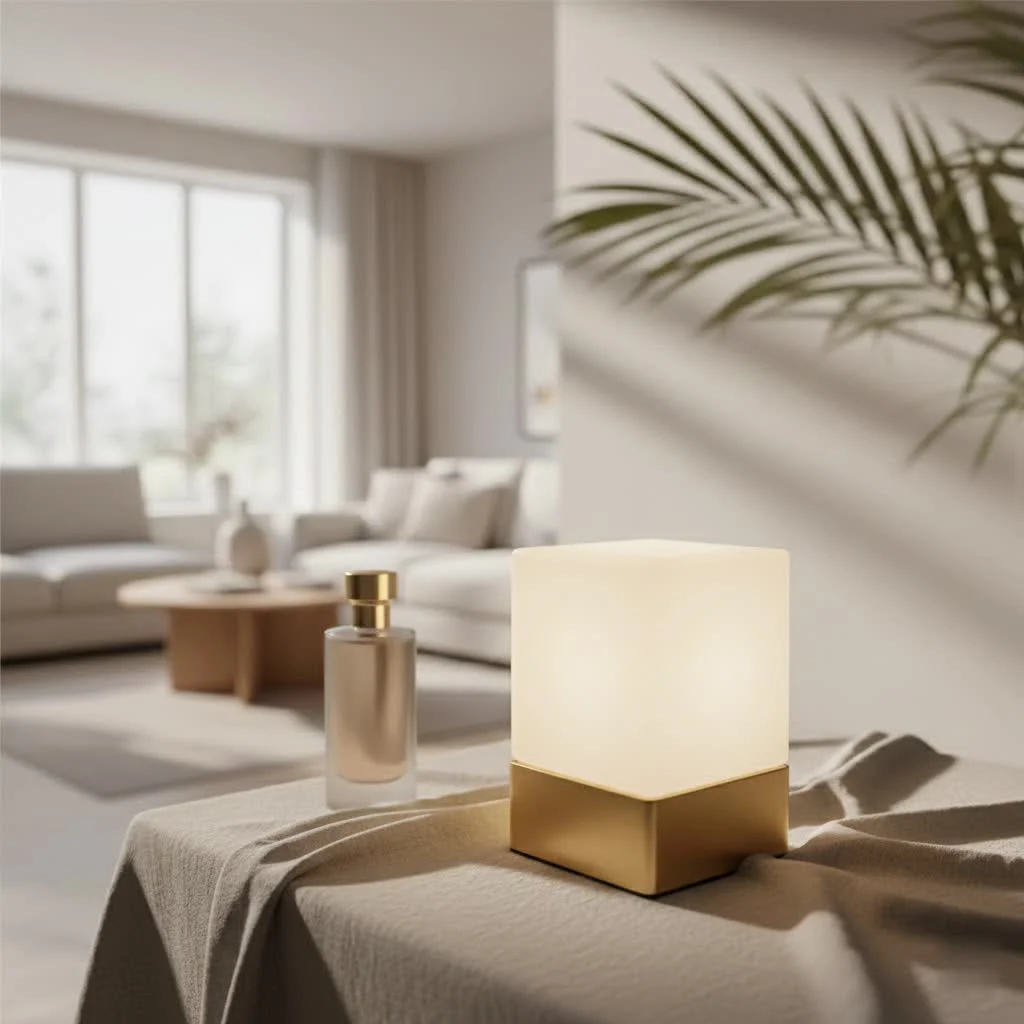
Why a Small Night Light is a Big Deal for Your Home
You might think a night light is just a night light, but the truth is, a thoughtfully chosen small night light offers a multitude of benefits that extend beyond simply preventing stubbed toes in the dark. These subtle sources of light contribute significantly to a peaceful and functional home environment, especially during the hours of darkness. For compare top night lights on this site.
Enhancing Safety and Mobility
Imagine navigating your home in pitch black. It’s a recipe for accidents, isn’t it? A small night light provides just enough illumination to help you see obstacles, navigate hallways, and find your way to essential areas like the bathroom or kitchen without needing to flip on harsh overhead lights. This is particularly vital for children, the elderly, or anyone with impaired vision, drastically reducing the risk of falls and injuries during nighttime excursions. It’s about creating a safe pathway, a gentle beacon in the stillness of the night.
Cultivating a Calming Atmosphere
Bright lights before bed can disrupt our natural sleep cycle by suppressing melatonin production. A small night light, especially one with a warm, low-intensity glow, acts as a gentle guide without startling your body into wakefulness. It fosters a sense of security and calmness, particularly for children who might be afraid of the dark. This subtle light allows for a gradual transition from wakefulness to sleep, promoting relaxation and comfort in bedrooms and nurseries.
Supporting a Healthy Sleep Cycle
The quality of light in your environment has a direct impact on your circadian rhythm. Using a soft, amber or red-toned small night light can be incredibly beneficial. Unlike blue light, which signals our brains to stay awake, warmer hues are less disruptive to melatonin production, making it easier to fall back asleep if you wake up during the night. As Dr. Alistair Finch, a leading Chronobiology Specialist at Maikb Research Labs, often emphasizes, “The right spectrum and intensity of a small night light can be a major upgrade for maintaining our natural sleep-wake cycle, subtly guiding our bodies towards restful sleep without interference.”
Understanding the Different Types of Small Night Lights
The market for small night lights is surprisingly diverse, each type offering unique features and catering to different needs. Knowing your options is the first step toward finding your perfect match.
Plug-in Night Lights
|
Our Picks for the Best Night Light in 2026
As an Amazon Associate I earn from qualifying purchases.
|
||
| Num | Product | Action |
|---|---|---|
| 1 | L LOHAS LED Red Night Lights Plug into Wall 2-Pack, 0.3W Plug in Night Light, Dusk to Dawn, Bright Nightlight Auto-On/Off, for Adults Kids Room Bedroom Bathroom Hallway Kitchen, Non-Dim |

|
| 2 | L LOHAS LED Night Lights Plug into Wall 2-Pack, 0.3W Plug in Night Light, Dusk to Dawn, 5000K Daylight White Bright Nightlight Auto-On/Off for Adults Kids Room Bedroom Bathroom Hallway Kitchen Non-Dim |
|
| 3 | Uigos LED Night Light Lamp with Smart Sensor Dusk to Dawn Sensor, Daylight White, 0.5W Plug-in, 6-Pack |
|
| 4 | Amazon Echo Glow (newest model), Nightlight for kids, Mood light for adults, Works with Alexa |
|
| 5 | L LOHAS LED Night Light,Dimmable Night Lights Plug into Wall, 2 Pack Acrylic Nightlight with 0-100 LM Adjustable Brightness, 3000K Plug in Night Light with Dusk to Dawn Sensor, for Bathroom Hallway |
|
| 6 | L LOHAS LED Night Lights Plug into Wall 2-Pack, 0.3W Plug in Night Light, Dusk to Dawn, 3000K Soft White, Bright Nightlight Auto-On/Off, for Adults Kids Room Bedroom Bathroom Hallway Kitchen, Non-Dim |
|
| 7 | L LOHAS LED Night Lights Plug into Wall 2-Pack, 0.3W Plug in Night Light, Dusk to Dawn, 2000K Amber Light, Sleep Aid Nightlight Auto-On/Off, for Adults Kids Room, Bedroom, Bathroom, Hallway, Non-Dim |
|
| 8 | Neon Moon Night Light LED Sign Dimmable Acrylic Neon Light Up Signs Wall Decor for Kids Bedroom Gaming Room Man Cave |
|
| 9 | JandCase LED Night Light, [2 Pack] Night Lights Plug into Wall with Dusk to Dawn Sensor, Dimmable Plug in Night Light, Adjustable Brightness, 3000K Soft White Nightlight for Bedroom Bathroom Hallway |
|
| 10 | L LOHAS LED Blue Night Lights Plug into Wall 2-Pack, 0.3W Plug in Night Light, Dusk to Dawn, Bright Nightlight Auto-On/Off, for Adults Kids Room Bedroom Bathroom Hallway Kitchen, Non-Dim |
|
These are perhaps the most common and straightforward. You simply plug them into a wall outlet, and they provide a continuous or sensor-activated glow.
- Pros: Easy to use, no batteries required, often very affordable.
- Cons: Limited by outlet availability, might block other outlets.
- Ideal for: Hallways, bathrooms, bedrooms, any permanent location where constant or automatic light is desired.
Battery-Operated Night Lights
Offering ultimate portability, these small night lights are powered by batteries, making them perfect for areas without outlets or for travel.
- Pros: Highly versatile, can be placed anywhere, great for power outages.
- Cons: Requires battery replacement, can be less bright than plug-in models.
- Ideal for: Closets, drawers, camping, travel, as emergency lights, or in children’s rooms where outlets are limited.
Motion-Activated Night Lights
These clever devices light up only when they detect movement, saving energy and providing light exactly when needed.
- Pros: Energy-efficient, hands-free operation, perfect for quick nighttime trips.
- Cons: Can be triggered by pets, might not stay on long enough for some tasks.
- Ideal for: Hallways, staircases, nurseries (to see to check on baby without waking them fully), or anywhere you need temporary illumination.
Smart Night Lights
Integrating with smart home systems, these small night lights offer advanced features like app control, customizable colors, timers, and integration with voice assistants.
- Pros: High level of control and customization, can be scheduled, often multi-functional.
- Cons: Can be more expensive, requires a smart home hub or app.
- Ideal for: Tech-savvy users, nurseries (for precise control over light settings), or for creating elaborate lighting scenes.
What to Look for When Choosing a Small Night Light
With so many options, how do you pick the best small night light for your specific requirements? Here are the key factors to consider:
Brightness and Light Intensity
This is paramount. A good night light should offer enough illumination to navigate safely without being so bright that it disrupts sleep. Look for models with adjustable brightness settings, or those designed to emit a very soft, ambient glow. For children, a dim, comforting light is often preferred over anything too bright.
Color Temperature
The color of the light significantly impacts our biology.
- Warm Tones (Red, Amber, Orange): These are ideal for bedrooms and nurseries. They mimic the sunset, are less disruptive to melatonin production, and promote relaxation.
- Cool Tones (Blue, White): While useful for alertness during the day, cool light can suppress melatonin and should generally be avoided in sleeping areas. Some modern night lights offer a spectrum of colors, allowing you to choose the most sleep-friendly option.
Design and Aesthetics
A night light doesn’t have to be purely functional; it can also complement your home décor. From minimalist designs that blend in seamlessly to whimsical shapes that spark joy in a child’s room, there’s a small night light for every aesthetic. Consider the size, shape, and material to ensure it fits your space and personal style.
Energy Efficiency
Opt for LED night lights. They consume very little power, have an incredibly long lifespan, and remain cool to the touch, making them safe for continuous use. This means lower electricity bills and less frequent replacements, offering both environmental and economic benefits in the long run.
Safety Features
Especially when choosing a small night light for children’s rooms, safety is non-negotiable. Look for:
- Cool-to-the-touch casing: Prevents burns if children touch it.
- Durable, non-toxic materials: Ensures no harmful chemicals are released.
- Secure plug design: Prevents accidental dislodging.
- UL certification: Indicates compliance with safety standards.
Choosing the Right Small Night Light for Every Need
Different scenarios call for different types of small night lights. Here’s a quick guide to help you match the light to the need:
For Children’s Rooms and Nurseries
The goal here is comfort and safety. A small night light with a gentle, warm glow (red or amber) is ideal. Motion-activated options are great for quick checks on baby without fully waking them, and cute, child-friendly designs can ease fears of the dark. Consider models with sound machines or projection features for added sensory comfort.
For Adults and Sleep Enhancement
Adults often benefit from a truly minimalist and non-disruptive night light. A plug-in model that casts a soft, warm light low to the ground, or a bedside lamp with an amber light setting, can provide just enough illumination for middle-of-the-night trips without jolting your system awake. Smart night lights with customizable timers are excellent for those who want their light to gradually dim or turn off after they’ve fallen asleep.
For Travel and Portability
When you’re away from home, the unfamiliar darkness can be unsettling. A small, battery-operated night light is perfect for hotel rooms, guest houses, or even camping. Look for compact, lightweight models that can easily fit into your luggage and provide that familiar, comforting glow wherever you go.
For Hallways and High-Traffic Areas
Motion-activated plug-in night lights are stellar for these spaces. They provide light only when needed, guiding you safely through dark passages and stairwells, then switching off automatically to save energy. This hands-free operation makes them incredibly convenient and efficient.
Expert Tips for Maximizing Your Night Light’s Potential
Even with the perfect small night light, a few expert insights can help you get the most out of it.
- Placement is Key: Position your night light low to the ground. This minimizes direct light exposure to your eyes, preserving your night vision and preventing disruption to melatonin production. For children, ensure it’s out of direct reach but still provides adequate light.
- Less is More: Resist the urge to use multiple bright night lights. One well-placed, low-intensity small night light is usually sufficient to provide guidance without over-illuminating the room.
- Experiment with Color: If your night light offers color options, experiment with red or amber settings. These wavelengths are least disruptive to sleep and can significantly improve your ability to fall back asleep after waking.
- Regular Cleaning: Dust can accumulate on night lights, dulling their glow. A quick wipe with a damp cloth every few weeks will keep them shining brightly and efficiently.
- Consider Smart Features: If you struggle with consistency, a smart night light with scheduling capabilities can be a great investment. Set it to turn on and off at specific times, or to gradually dim as you prepare for sleep.
Frequently Asked Questions About Small Night Lights
What is the best color for a small night light to promote sleep?
Warm colors like red, amber, and orange are best for promoting sleep as they have the least impact on melatonin production, which is crucial for regulating our sleep-wake cycle.
Are small night lights safe to leave on all night?
Yes, most modern small night lights, especially LED models, are designed to be energy-efficient and cool to the touch, making them safe to leave on continuously throughout the night. Always check for safety certifications like UL.
Can a night light help children who are afraid of the dark?
Absolutely. A gentle, comforting small night light can provide a sense of security and reduce anxiety for children who are scared of the dark, helping them feel safer and fall asleep more easily.
How do motion-activated night lights work?
Motion-activated night lights typically use Passive Infrared (PIR) sensors to detect changes in heat emitted by moving objects. When movement is detected within their range, they switch on and stay illuminated for a set period, then turn off if no further motion is detected.
How often do I need to replace batteries in a battery-operated small night light?
The battery life depends on the type of batteries, the night light’s brightness settings, and how often it’s used. For typical use, you might expect batteries to last from a few weeks to several months. LED night lights are generally very efficient with battery usage.
The Subtle Power of a Small Night Light
The journey to better sleep and a safer home doesn’t always require grand changes. Sometimes, it’s the small, thoughtful additions that make the biggest impact. A well-chosen small night light embodies this principle, offering a blend of practical utility, comforting ambience, and supportive sleep science. From guiding your steps in the dark to fostering a tranquil environment, these compact illuminators are indispensable tools for any modern home. Embrace the gentle glow, and improve your nighttime experience into one of peace, safety, and restful slumber.
Frequently Asked Questions
What is the best color for a small night light to promote sleep?
Warm colors like red, amber, and orange are best for promoting sleep. These hues have the least impact on melatonin production, which is crucial for regulating our sleep-wake cycle and encouraging relaxation.
Are small night lights safe to leave on all night?
Yes, most modern small night lights, especially LED models, are designed to be energy-efficient and cool to the touch. This makes them safe to leave on continuously throughout the night. Always check for safety certifications like UL to ensure compliance with standards.
Can a night light help children who are afraid of the dark?
Absolutely. A gentle, comforting small night light can provide a sense of security and significantly reduce anxiety for children who are scared of the dark. This helps them feel safer and fall asleep more easily, often by providing a familiar, soft glow.
How do motion-activated night lights work?
Motion-activated night lights typically use Passive Infrared (PIR) sensors to detect changes in heat emitted by moving objects. When movement is detected within their range, they switch on and stay illuminated for a set period, usually 15-30 seconds, then turn off if no further motion is detected.
How often do I need to replace batteries in a battery-operated small night light?
The battery life depends on the type of batteries, the night light's brightness settings, and how often it's used. For typical use, you might expect batteries to last from a few weeks to several months. LED night lights are generally very efficient with battery usage, extending battery life.
Maximizing Your Night Light's Potential
Follow these expert tips to get the most out of your small night light for optimal safety and sleep.
Place your night light low to the ground to minimize direct light exposure to your eyes. This preserves night vision and prevents disruption to melatonin production. For children, ensure itu2019s out of direct reach but still provides adequate light.
Resist the urge to use multiple bright night lights. One well-placed, low-intensity small night light is usually sufficient to provide guidance without over-illuminating the room, promoting better sleep.
If your night light offers color options, experiment with red or amber settings. These wavelengths are least disruptive to sleep and can significantly improve your ability to fall back asleep after waking, supporting your circadian rhythm.
Dust can accumulate on night lights, dulling their glow and reducing efficiency. A quick wipe with a damp cloth every few weeks will keep them shining brightly and efficiently, ensuring consistent illumination.
If you struggle with consistency, a smart night light with scheduling capabilities can be a great investment. Set it to turn on and off at specific times, or to gradually dim as you prepare for sleep, automating your nighttime routine.
Get our weekly buyer guide
Practical specs, not advice. Unsubscribe anytime.
I was hoping for something a bit more robust for the price. While the compact design is good for not blocking outlets, the light output is a little weaker than I expected. It’s okay for a very small space, but I needed something to cover a slightly larger area in my living room for ambiance. It does the job, but just barely.
I picked up a couple of the warm-light night lights for my kids’ rooms, and they’re great for creating a calming atmosphere before bed. The low-intensity light really does seem to help them wind down. My only minor complaint is that one of them is a little too sensitive to ambient light and sometimes stays on longer than it needs to during dusk.
These small night lights are a big deal! I put one in my home office and another in the kitchen. They’re perfect for those late-night snack runs or just getting a glass of water without having to flip on harsh overhead lights. It really does enhance the comfort of my home during the darker hours.
I’ve always struggled with getting back to sleep after a late-night bathroom trip, but a small night light in the hall has been a game-changer. It provides just enough light to navigate without fully waking me up. I appreciate how it supports a healthy sleep cycle by not being overly bright or blue-toned.
I got a few of these small night lights for my parents’ house, and they’ve made a huge difference. My mom used to worry about tripping in the hallway at night, but the subtle illumination is just enough to guide her without being too bright. It’s really helped with their peace of mind, especially preventing falls.