The “night to light” transition is a strategic approach to managing low-level illumination during evening and nighttime hours to enhance sleep, safety, and comfort. This concept, championed by experts with over a decade in sleep-friendly lighting, focuses on intelligent illumination that nurtures rest without disrupting the body’s natural sleep processes. A well-chosen night light acts as a silent guardian, bridging the gap between total darkness and gentle guidance, preventing falls and fostering a calming environment.
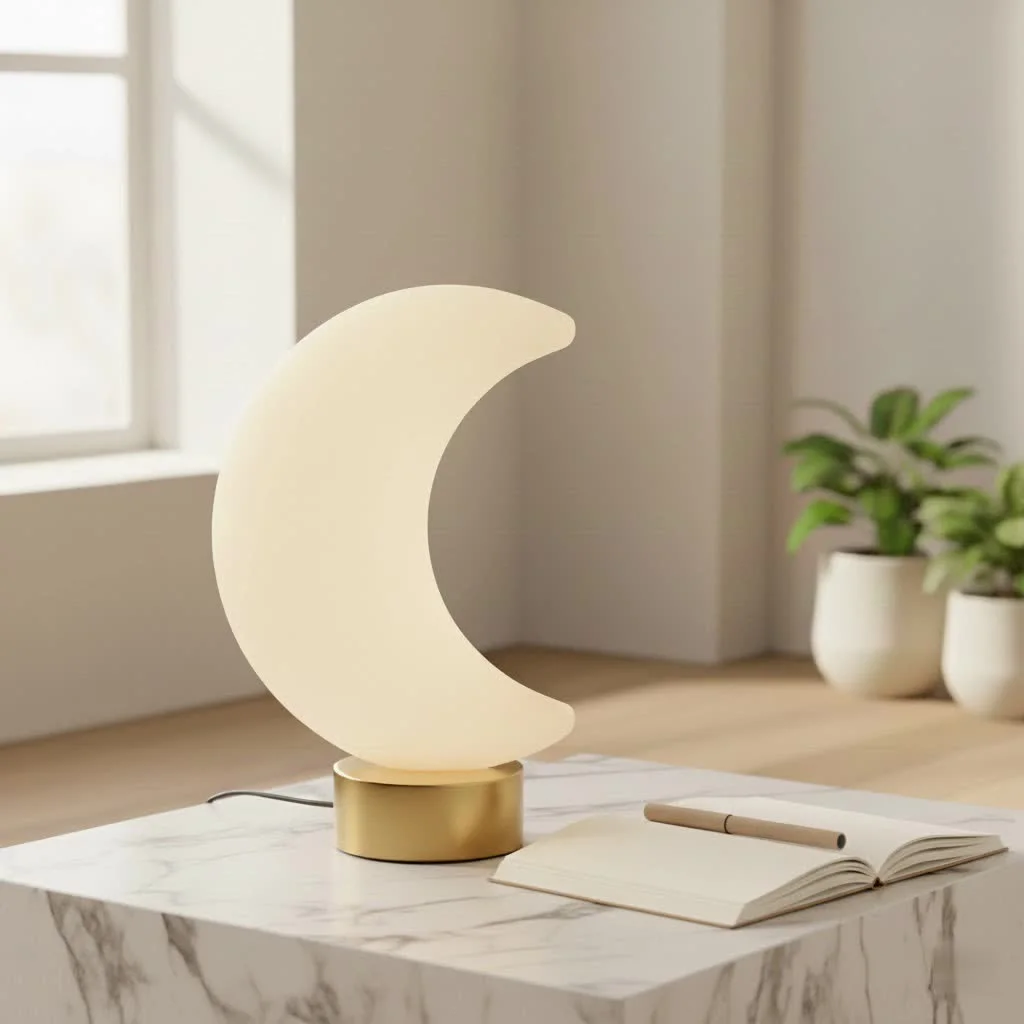
Forget what you thought you knew about simply turning off the lights. The phrase “night to light” refers to how we strategically introduce and manage low-level illumination during the evening and nighttime hours. This isn’t just about avoiding stubbed toes in the dark; it’s about crafting an environment where your body’s natural sleep processes can thrive. A well-chosen night light acts as a silent guardian, bridging the gap between total darkness and the gentle guidance you sometimes need without disrupting your precious slumber. For complete night lights library on this site.
Understanding the Science: How Light Shapes Our Sleep
To truly master your “night to light” strategy, it’s essential to grasp the fundamental science behind light and its profound impact on our sleep. Our bodies operate on an intricate internal clock called the circadian rhythm, which dictates our sleep-wake cycle over a 24-hour period. This rhythm is heavily influenced by light. During the day, bright light signals to our brains that it’s time to be alert. As evening approaches and light diminishes, a crucial hormone called melatonin begins to rise, signaling to our body that it’s time to wind down and prepare for sleep.
The challenge in our modern world is the prevalence of artificial light, especially blue light, emitted by screens and many common LED bulbs. This specific wavelength of light mimics daylight, effectively telling our brains to suppress melatonin production, even when the sun has long set. This disruption can make falling asleep difficult, reduce the quality of our sleep, and leave us feeling groggy and unrested. The key to an effective “night to light” approach lies in understanding this interplay and making conscious choices about the light sources we introduce into our sleep sanctuary.
The Unsung Benefits of Thoughtful Night Lighting
When implemented thoughtfully, a “night to light” strategy offers a wealth of benefits that extend beyond simple visibility:
Enhanced Safety and Navigation
Imagine needing a glass of water in the middle of the night or navigating to the bathroom without tripping over a stray toy. A dim night light provides just enough illumination to guide your way, preventing falls and minor accidents that often occur in complete darkness, especially for children or older adults. It allows for safe movement without the jarring effect of bright overhead lights.
Comfort and Anxiety Reduction
|
Our Picks for the Best Night Light in 2026
As an Amazon Associate I earn from qualifying purchases.
|
||
| Num | Product | Action |
|---|---|---|
| 1 | Uigos LED Night Light Lamp with Smart Sensor Dusk to Dawn Sensor, Daylight White, 0.5W Plug-in, 6-Pack |

|
| 2 | L LOHAS LED Night Light,Dimmable Night Lights Plug into Wall, 2 Pack Acrylic Nightlight with 0-100 LM Adjustable Brightness, 3000K Plug in Night Light with Dusk to Dawn Sensor, for Bathroom Hallway |
|
| 3 | L LOHAS LED Red Night Lights Plug into Wall 2-Pack, 0.3W Plug in Night Light, Dusk to Dawn, Bright Nightlight Auto-On/Off, for Adults Kids Room Bedroom Bathroom Hallway Kitchen, Non-Dim |
|
| 4 | Neon Moon Night Light LED Sign Dimmable Acrylic Neon Light Up Signs Wall Decor for Kids Bedroom Gaming Room Man Cave |
|
| 5 | L LOHAS LED Night Lights Plug into Wall 2-Pack, 0.3W Plug in Night Light, Dusk to Dawn, 5000K Daylight White Bright Nightlight Auto-On/Off for Adults Kids Room Bedroom Bathroom Hallway Kitchen Non-Dim |
|
| 6 | L LOHAS LED Night Lights Plug into Wall 2-Pack, 0.3W Plug in Night Light, Dusk to Dawn, 3000K Soft White, Bright Nightlight Auto-On/Off, for Adults Kids Room Bedroom Bathroom Hallway Kitchen, Non-Dim |
|
| 7 | L LOHAS LED Blue Night Lights Plug into Wall 2-Pack, 0.3W Plug in Night Light, Dusk to Dawn, Bright Nightlight Auto-On/Off, for Adults Kids Room Bedroom Bathroom Hallway Kitchen, Non-Dim |
|
| 8 | JandCase LED Night Light, [2 Pack] Night Lights Plug into Wall with Dusk to Dawn Sensor, Dimmable Plug in Night Light, Adjustable Brightness, 3000K Soft White Nightlight for Bedroom Bathroom Hallway |
|
| 9 | L LOHAS LED Night Lights Plug into Wall 2-Pack, 0.3W Plug in Night Light, Dusk to Dawn, 2000K Amber Light, Sleep Aid Nightlight Auto-On/Off, for Adults Kids Room, Bedroom, Bathroom, Hallway, Non-Dim |
|
| 10 | Amazon Echo Glow (newest model), Nightlight for kids, Mood light for adults, Works with Alexa |
|
For many, particularly children, the dark can be a source of anxiety or fear. A gentle night light offers a sense of security and comfort, transforming a potentially scary space into a calming haven. As Dr. Anya Sharma, a renowned sleep psychologist, often advises, “A subtle glow can be incredibly reassuring for young minds, allowing them to relax into sleep rather than fight against the perceived unknowns of darkness.” This comfort can lead to a quicker, more peaceful transition into sleep.
Maintaining a Peaceful Sleep Transition
The goal of “night to light” isn’t to illuminate your room brightly, but to provide minimal, non-disruptive light. This helps maintain your body’s natural sleep cues. If you need to check on a child, comfort a pet, or simply move about, a soft night light ensures that your melatonin production isn’t severely interrupted, making it easier to drift back to sleep.
Choosing Your Perfect “Night to Light” Companion
Selecting the right night light is where Maikb’s expertise truly shines. It’s not a one-size-fits-all solution; it’s about aligning technology with your biological needs.
Color Temperature is Key
This is perhaps the most critical factor. The color of light is measured in Kelvin (K), with lower numbers indicating warmer colors (red, orange, yellow) and higher numbers indicating cooler colors (blue, white).
- Red and Amber: The Sleep Champions. Based on extensive research, red light with a low color temperature (around 1600K-1900K) is universally recognized as the best for sleep. It has the least impact on melatonin production, and some studies suggest it may even help stimulate it. Amber light is a close second. These hues create a truly calming and soothing atmosphere.
- Yellow: A Gentle Alternative. While not as optimal as red or amber, dim yellow light is significantly better than brighter, cooler tones, as it contains very little blue light and is less likely to disrupt your circadian rhythm.
- The Blue Light Warning. Steer clear of night lights that emit strong blue or bright white light. These colors actively suppress melatonin and signal wakefulness to your brain, making them counterproductive to a good night’s rest.
Brightness Matters
A night light should provide just enough light to see, not to read by. Look for options with adjustable brightness settings, allowing you to customize the intensity to your specific needs. The goal is a dim, non-intrusive glow that doesn’t overwhelm your eyes or your sleep hormones.
Smart Features for Modern Living
The technology in night lights has evolved dramatically. Modern features can make your “night to light” experience seamless and intuitive:
- Motion Sensors: These are fantastic for hallways or bathrooms. The light only activates when movement is detected, illuminating your path for a short period before gently fading out, ensuring continuous darkness when not needed.
- Timers and Automatic Dimming: Some advanced night lights can be set to turn on and off at specific times, or to gradually dim over a set period, mimicking a natural sunset. This gradual transition can be incredibly helpful for preparing your body for sleep.
- Remote Control and App Integration: For ultimate convenience, smart night lights can be controlled via remote or even smartphone apps, allowing you to adjust settings without leaving the comfort of your bed.
Types of Night Lights for Every Need
- Plug-in Night Lights: The most common and energy-efficient, perfect for hallways and bedrooms. Many LED versions consume minimal power.
- Battery-Operated/Rechargeable: Offer versatility, allowing placement anywhere without needing an outlet. Ideal for children’s rooms or as portable options.
- Tabletop Night Lights: Often designed with aesthetic appeal, they can double as decor while providing a soft glow, sometimes incorporating features like white noise or sound machines.
- Stick-on Night Lights: Great for subtle illumination inside closets, under beds, or along stair risers.
- Beyond Physical Devices: Software “Night Light” Modes. the “Night Light” or “Night Shift” features on your smartphones, tablets, and computers. These software settings reduce blue light emission from screens, shifting the display to warmer tones to minimize disruption to your melatonin production before bed. It’s a crucial digital “night to light” strategy.
Maikb’s Expert Tips for Optimal “Night to Light” Usage
With over a decade of dedicated research and development in the field, Maikb brings you these refined strategies for integrating night lights into your life:
- Strategic Placement: Place night lights low to the ground, out of direct line of sight from your bed. In children’s rooms, ensure the light is not directly illuminating their faces.
- Routines are Key: Integrate your night light into your bedtime routine. Dimming the main lights and turning on your gentle night light an hour before sleep can signal to your body that it’s time to unwind.
- Weaning Children: While night lights offer comfort, encourage children to gradually transition towards sleeping in complete darkness as they grow. Opt for models with timers that dim and turn off after they’ve fallen asleep, or motion-activated lights that only come on if they wake.
- Personalizing Your Glow: Listen to your body and your family’s needs. What works for one person might not work for another. Experiment with color, brightness, and placement until you find your perfect “night to light” balance. the goal is always minimal, non-disruptive light.
The “Night to Light” Misconceptions: What to Avoid
Even with the best intentions, it’s easy to fall into common pitfalls that can undermine your sleep quality:
- Overly Bright Lights: A night light should never be bright enough to cast significant shadows or make you squint. If it feels like a small lamp, it’s too bright.
- Cool/Blue Light Exposure: As mentioned, any exposure to blue-spectrum light at night is detrimental to melatonin. Avoid white or blue-tinted night lights.
- Reliance Leading to Dependence: For children, prolonged reliance on a night light can sometimes hinder their ability to feel comfortable in natural darkness. Encourage a gradual reduction as they mature.
Embrace Your “Night to Light” Journey with Maikb
The journey from “night to light” is an intricate dance, one that, when choreographed correctly, can profoundly enhance your sleep quality and overall well-being. At Maikb, we believe that understanding and strategically implementing night lighting is a cornerstone of modern sleep hygiene. By choosing warm, dim light, leveraging smart technology, and being mindful of placement, you can improve your nighttime environment from a potential sleep disruptor into a sanctuary of calm and rest. Let Maikb be your trusted guide in illuminating your path to deeper, more restorative sleep. Your best sleep truly begins with the right light.
Get our weekly buyer guide
Practical specs, not advice. Unsubscribe anytime.
This ‘night to light’ approach is brilliant! I always struggled with getting back to sleep after a late-night bathroom trip because the bright lights would jolt me awake. Now, with a subtle night light in the hallway, I can see where I’m going without disrupting my natural sleep processes. It’s a small change that’s had a big impact on my overall rest.
I used to trip over everything getting up for a glass of water at night. Since I started using a night light that offers a ‘night to light’ transition, it’s been a game changer. The soft glow is just enough to see without waking me up fully. My sleep quality has definitely improved, and I feel much safer navigating my home in the dark.
I bought one of the motion-activated night lights mentioned, hoping it would help with my kids’ fear of the dark. While the ‘night to light’ concept is good, the sensor on mine is a bit too sensitive. It sometimes turns on when no one is even near it, which can be a little distracting. It does provide good light when it works correctly though.
I’ve been looking for ways to improve my sleep hygiene, and the idea of a strategic ‘night to light’ transition really resonated with me. I got a dimmable night light for my bedroom and it’s made a noticeable difference. It’s so much easier to wind down without harsh lights, and I’m not fumbling around in complete darkness anymore. Definitely recommend exploring this concept.